






















The Holy See urges the UN to address foreign debt as a moral crisis driving global poverty and inequality in developing nations.
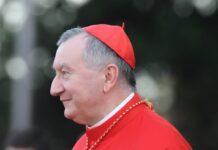
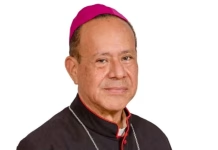
Newsroom (06/03/2026 Gaudium Press ) Speaking before the 61st regular session of the United Nations Human Rights Council in Geneva, the Holy See’s Permanent Observer drew urgent attention to what it called one of the world’s most entrenched injustices — the crushing effect of foreign debt on developing nations. Archbishop Ettore Balestrero, the Apostolic Nuncio and Permanent Observer of the Holy See, framed debt not simply as an economic challenge but as a profound moral and human rights issue that continues to trap millions in cycles of poverty and social inequity.
Debt as a Human Rights and Moral Crisis
“In too many nations – particularly in the Global South – debt servicing consumes resources that should nourish the common good,” Archbishop Balestrero declared. He warned that funds critically needed for food, clean water, healthcare, housing, and social protection are being redirected toward debt repayment.
“When debt burdens become crushing, States face impossible choices: repay creditors or fulfill basic obligations to their people,” he said, calling the situation not merely an economic dilemma but “a profound moral and human rights crisis.” Excessive debt, he argued, narrows fiscal space and forces austerity, deepening cycles of deprivation and undermining the realization of basic economic, social, and cultural rights.
Reform Rooted in Trust and Good Governance
The Archbishop stressed that debtor nations bear responsibility to foster integrity and transparency in public finance. Fiscal systems, he said, should be guided by “the principles of good governance, transparency, accountability, and responsibility.”
He noted that trust between institutions and citizens forms the foundation of healthy economic systems. Fair and well-directed taxation policies, he explained, encourage social cohesion and voluntary compliance — allowing countries to strengthen their capacity to mobilize domestic resources for the common good.
Prioritizing Human Rights Over Repayment
Archbishop Balestrero underscored that when conflicts arise between debt repayment and basic human needs, the latter must always prevail. “Human rights obligations must take precedence over debt repayment,” he affirmed. Creditors — whether governmental, institutional, or private — have a moral duty to ensure that lending practices uphold human dignity rather than exacerbate poverty and hardship.
He condemned illegal debts, tax competition, and predatory lending as forces that erode the social contract and strip states of their ability to meet fundamental obligations to their citizens.
A Call to Global Solidarity
Closing his remarks, Archbishop Balestrero appealed to the conscience of the international community. Quoting Pope Leo XIV, he reminded delegates that “every effort should be made to overcome the global inequalities […] that are carving deep divides between continents, countries and even within individual societies.”
The Holy See’s message, rooted in both moral conviction and practical urgency, calls on nations and global institutions to reimagine debt not as a ledger entry but as a question of human dignity and shared destiny.
- Raju Hasmukh with files from Vatican News
Related Images: