









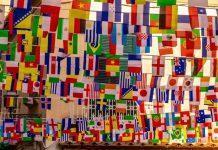


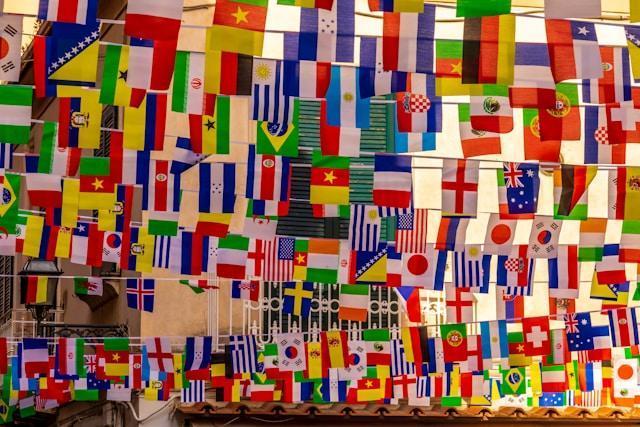
As 48 nations enter the 2026 FIFA World Cup, traditions meet football as teams turn to patron saints for symbolic strength on the global stage.
Newsroom (11/06/2026 Gaudium Press ) As the FIFA World Cup expands to an unprecedented 48 nations for the 2026 tournament across Canada, Mexico, and the United States, the focus extends beyond tactics, star players, and group-stage rivalries. Alongside preparations on the training ground, many teams carry with them centuries-old traditions of faith, invoking saints and spiritual figures believed to offer guidance, resilience, or even a touch of divine intervention.
In a cultural overview compiled by the Catholic News Agency (KNA), the spiritual identities of participating nations reveal a rich intersection between football and belief—where saints, martyrs, and revered figures stand symbolically on the sidelines.
A Blend of Faith and Football Heritage
Defending champions Argentina enter the tournament backed by both football pedigree and religious symbolism. The iconic sky-blue and white kit mirrors the colors of the Virgen de Luján, a Marian figure venerated since 1630. With three World Cup titles already secured, Argentinians may again look to their patroness as they aim for glory on July 19.
Brazil, widely regarded as the sport’s spiritual home, draws inspiration from “Nossa Senhora Aparecida,” whose miraculous discovery in 1717 is tied to abundance and renewal. Yet even Brazil’s football mystique carries reminders of humility, most notably its 7–1 defeat to Germany in 2014.
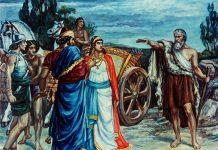
European heavyweights also bring their own symbolic guardians. England’s Saint George, the legendary dragon slayer, embodies courage, though questions linger about the team’s recurring struggles in penalty shootouts. France looks to Saint Martin of Tours, a soldier-turned-bishop known for generosity—an attribute that perhaps symbolically echoes both the team’s inclusivity and occasional vulnerability.
Germany turns to Saint Boniface, an English missionary credited with shaping early Christian traditions in the region. Despite their triumph in 2014, recent performances have fallen short of expectations, leaving fans hoping for renewed inspiration.
Patrons Reflect Identity and History
For several nations, patron saints reflect deeper national narratives. Mexico’s “Virgen de Guadalupe,” tied to an apparition in 1531, remains one of the most powerful symbols in global Catholicism. Despite strong regional success, Mexico has consistently fallen short of breaking past the World Cup quarterfinals.
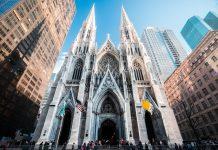
In the United States, Saint Francesca Cabrini—patron saint of immigrants—symbolizes a diverse and multicultural society. As one of the host nations, the U.S. faces both sporting and symbolic expectations in what is described as the most commercialized World Cup to date.
African nations, meanwhile, present a complex religious mosaic. Ivory Coast and Morocco do not rely on a single official patron saint, but Marian devotion remains prominent. Senegal stands out with Islamic spiritual influence through Amadou Bamba, reflecting the nation’s religious landscape.
Meanwhile, Algeria’s religious symbolism extends across centuries, from early Christian theologians like Augustine of Hippo to modern figures such as Charles de Foucauld, illustrating a layered historical legacy.
Debutants and Underdogs Seek Divine Edge
First-time participants and smaller nations enter the tournament with both ambition and symbolic backing. Curaçao, making its World Cup debut, is represented by Saint Anne, while Uzbekistan—another newcomer—does not have a formal patron but reveres Sufi spiritual leaders such as Bahauddin Naqshband.
Canada, co-hosting the tournament, is associated with Jesuit missionary Jean de Brébeuf. However, past World Cup campaigns have been difficult, with the national team historically struggling to secure points, despite scoring its first-ever goal in 2022.
New Zealand returns after a long absence, guided by Saint Pierre Chanel, whose legacy suggests transformation through adversity—a narrative the team hopes to replicate on the pitch.
Spiritual Themes Across Continents
Across the tournament, Marian devotion emerges as the most common thread. Nations including Argentina, Mexico, Brazil, Ecuador, Haiti, and Uruguay all center their spiritual identity around various manifestations of the Virgin Mary.
Elsewhere, saints embody specific virtues. Belgium’s Saint Joseph reflects patience and quiet strength, Switzerland’s Nicholas of Flüe symbolizes defense and resilience, and Norway’s Saint Olav represents national unity and endurance.
Some countries lack official patrons altogether but still carry strong religious or cultural influences. Japan and Australia both reference the missionary Francis Xavier, while Jordan honors figures such as John the Baptist.
Beyond the Pitch
While the impact of patron saints on match outcomes remains firmly in the realm of symbolism, their presence highlights the cultural depth surrounding global football. The 2026 World Cup, with its expanded format and diverse field, not only showcases athletic excellence but also underscores how sport intersects with identity, history, and belief.
As teams pursue football’s ultimate prize, many will do so with more than tactics and talent—carrying with them traditions that transcend the game itself.
- Raju Hasmukh with files from KNA