























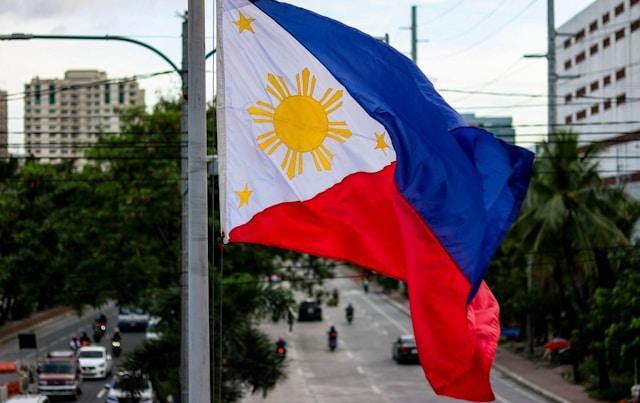
Christian groups protest during Marcos’ SONA, opposing corruption and warning of environmental and social risks from the proposed AI hub.
Newsroom (28/07/2026 Gaudium Press ) Thousands of protesters from various Christian churches and activist organizations marched along Commonwealth Avenue in Quezon City on Monday as President Ferdinand Marcos Jr. delivered his fifth State of the Nation Address (SONA) before the Philippine Congress.
The demonstrations took place along Commonwealth Avenue, a major thoroughfare often referred to as the country’s “killer highway” because of its long history of fatal traffic accidents. Protesters gathered about two miles from the congressional complex where Marcos delivered his annual report on the nation’s condition and priorities.
According to police estimates, around 6,000 demonstrators participated in the rallies. While protesters condemned corruption in government, many also directed their attention to a major development initiative highlighted in the president’s speech: the proposed Pax Silica Industrial Hub in the province of Tarlac.
The project has emerged as one of the most controversial issues tied to Marcos’ economic agenda, drawing support from government officials while prompting opposition from religious leaders, environmental advocates, farmers, and Indigenous communities.
AI Hub Takes Center Stage in Marcos’ Vision
Marcos’ SONA lasted one hour and 25 minutes and covered a broad array of policy initiatives. Among them were plans to strengthen accountability measures against corrupt officials and provide tax relief for middle-class Filipinos.
A key economic proposal featured in the address was the planned Pax Silica Industrial Hub, a 4,000-acre artificial intelligence and advanced technology center to be established in Tarlac, approximately 73 miles northwest of Manila.
The project forms part of the Trump administration’s Pax Silica initiative, a program designed to strengthen technology supply chains and secure access to critical resources required for advanced computing and semiconductor manufacturing. The broader effort seeks to reduce dependence on China, which has long maintained a dominant position in global technology manufacturing.
The Philippines is among 23 countries that have signed the Pax Silica Declaration, reflecting its participation in the initiative. In his address, Marcos described the Tarlac development as a strategic investment that would reshape the country’s role in the global technology economy.
“The planned Pax Silica Industrial Hub in Tarlac will create an ecosystem that will have AI at its core,” Marcos said. He characterized the project as “an advanced manufacturing and logistics center in the global AI and technology value chain.”
According to the president, the hub would generate high-quality employment opportunities, strengthen industrial competitiveness, and contribute to broader economic revitalization.
Environmental and Social Concerns Persist
Despite the government’s optimism, critics continue to question the environmental and social consequences of the project.
Opponents argue that large-scale artificial intelligence infrastructure requires enormous amounts of electricity and water, creating potential stress on local resources. Concerns have also been raised about the possibility of displacing Indigenous Peoples and affecting agricultural communities in Tarlac, a province known for its farmlands.
The Philippine government has rejected those claims, insisting that the project’s water requirements will be met through alternative sources, including rainwater collection systems. Authorities have also denied that Indigenous communities will be displaced as a result of the development.
Nevertheless, several prominent religious organizations have called for greater scrutiny and transparency before the project proceeds.
Religious Leaders Call for Ecological Justice
Among the most vocal critics is the Conference of Major Superiors in the Philippines (CMSP), a 71-year-old association representing religious men and women across the country.
Ahead of the president’s address, the organization issued an open letter expressing deep concern over Pax Silica. The group warned that the project could contribute to water depletion, threaten Indigenous ancestral lands, and intensify exploitation of natural resources.
The CMSP emphasized that any major development initiative should proceed only with what it described as ecological justice, transparency, meaningful consultation, and full respect for the rights of affected communities.
In its statement, the organization framed the issue as both an environmental and moral concern.
“How can there be peace when creation is wounded, and communities are uprooted?” the group asked.
The comments reflected a broader trend among Philippine religious organizations that increasingly link social justice, environmental stewardship, and community rights to national development policies.
Human Dignity Before Economic Gain
The Church People-Workers Solidarity, an ecumenical organization currently chaired by a Catholic bishop, also expressed reservations about the project.
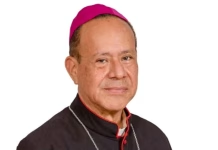
Bishop Gerardo Alminaza, the group’s chairperson, acknowledged the potential economic benefits associated with large-scale industrial investments. However, he argued that such projects should undergo careful evaluation based on their effects on workers, local communities, Indigenous Peoples, and the environment.
Quoting Pope Leo XIV, the organization stated that “authentic human development places the dignity of the person before economic gain and always serves the common good.”
The statement underscored a central theme among faith-based critics: economic growth, while important, should not come at the expense of vulnerable populations or environmental sustainability.
Concerns From Independent Christian Leaders
Similar concerns were echoed by Bishop Dindo Ranojo, general secretary of the Iglesia Filipina Independiente (IFI), an independent Christian church in the Philippines.
Speaking to Crux Now, Ranojo warned that Pax Silica could adversely affect both residents and agricultural lands in Tarlac. He specifically cited fears about water resource depletion and the potential impact on the country’s mineral wealth, noting that extractive industries have already placed pressure on these resources over many decades.
Ranojo urged policymakers to reconsider the initiative, arguing that its long-term consequences could outweigh its promised economic benefits.
“Do not push through with Pax Silica because in the long run, its impact will be on the lives of ordinary citizens: farmers and Indigenous Peoples. It also has a negative impact on the environment, and the impact on the future will be even greater,” he said.
A Growing Debate
The controversy surrounding Pax Silica highlights a growing national debate over how the Philippines should balance economic modernization with environmental protection and social responsibility.
For the Marcos administration, the proposed AI hub represents an opportunity to position the country within the rapidly expanding global technology sector. For critics, particularly many religious groups, the project raises difficult questions about resource use, community rights, and the long-term costs of technological development.
As plans for the Tarlac facility move forward, religious organizations and activists indicate they will continue monitoring the project closely, ensuring that concerns about ecological sustainability and human dignity remain part of the national conversation.
- Raju Hasmukh with files from Crux Now