


USCCB President Archbishop Paul Coakley calls for restraint, diplomacy, and prayer amid escalating U.S.-Iran hostilities and mounting casualties.
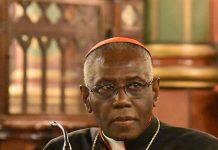
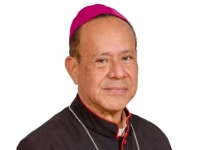
Newsroom (02/03/2026 Gaudium Press ) As violence surges across the Middle East, Archbishop Paul S. Coakley, president of the U.S. Conference of Catholic Bishops (USCCB), has issued a solemn plea for restraint, diplomacy, and peace. In a statement released on March 1, Coakley called upon the United States, Iran, and the international community to “return to dialogue and pursue every avenue for a just and lasting peace.”
His appeal came as joint U.S.-Israeli military operations against Iran entered a second day, marking one of the most significant escalations in the region in years. “My brother bishops and I unite our voice with our Holy Father and make the heartfelt appeal to all parties involved for diplomacy to regain its proper role,” Coakley wrote, emphasizing the need for de-escalation.
A Warning Against Regional Catastrophe
Coakley’s statement underscored growing concerns that the conflict could spiral into a regional war. “As the Holy Father has warned, we are faced with the possibility of a tragedy of immense proportions,” he said, echoing Pope Leo XIV’s march warning that unchecked violence could lead to “an unbridgeable chasm.”
He urged all parties to embrace multilateral diplomacy and prioritize the protection of civilians, citing the Church’s enduring call for justice and peace. “All nations, international bodies, and partners committed to peace must exert every effort to prevent further escalation,” his statement added.
A Call for Prayer and Compassion
At a moment when images of destruction and grief dominate global headlines, the archbishop called on Catholics and “all people of goodwill” to join in prayer for the Middle East. “We implore the intercession of our Blessed Mother, Mary, Queen of Peace,” he said, “to pray for our troubled world and for a lasting peace.”
Coakley also prayed for U.S. troops and civilians caught in the crossfire, urging leaders to “seek dialogue over destruction and pursue the common good over the tragedy of war.”
Operation Epic Fury: The Military Context
The archbishop’s message followed a dramatic escalation that began on February 28, when the U.S. and Israel launched Operation Epic Fury—a sweeping campaign targeting Iran’s military infrastructure, missile sites, naval assets, and leadership compounds. According to reports, Iran’s Supreme Leader Ayatollah Ali Khamenei was among those killed, along with several high-ranking officials. Iranian state television confirmed over 200 deaths and more than 700 injuries.
The White House described the strikes as “a precise, overwhelming military campaign to eliminate the imminent nuclear threat posed by the Iranian regime.” President Donald Trump, addressing the nation, vowed that Iran’s nuclear missile program would be “totally annihilated” and said the campaign was “ahead of schedule.”
Iran’s Retaliation and Rising Toll
In response, Iran launched a barrage of missiles and drones targeting Israel and U.S. military bases across the Gulf region, from Bahrain and Qatar to Saudi Arabia and the United Arab Emirates. At least nine people were killed in Israel, and dozens injured, while the Pentagon confirmed three American service members dead and several more wounded.
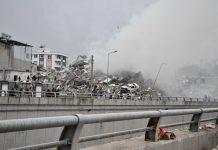
Explosions echoed across Tehran as Israeli forces continued follow-up strikes on March 1, fueling fears that the conflict could engulf the region. Airlines suspended flights, and multiple Gulf nations issued heightened alerts, anticipating further attacks.
The Church’s Moral Voice Amid Crisis
In this climate of fear and retaliation, Archbishop Coakley’s call serves as a reminder of the moral dimension at stake. His words, aligned with the pope’s appeal, invite political leaders and citizens to resist despair and vengeance.
“The well-being of peoples who yearn for peaceful existence founded on justice must guide every action,” Coakley said—an appeal not only to geopolitics, but to conscience itself.
- Raju Hasmukh with files from CNA
Related Images: