













SSPX and Cardinal Fernández meet for 90 minutes at the Vatican, discussing unity, theological dialogue, and conditional suspension of consecrations.
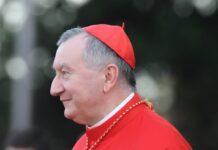
Newsroom (13/02/2026 Gaudium Press ) The dialogue between the Holy See and the Priestly Fraternity of Saint Pius X (SSPX) entered a new and sensitive phase this week. Following a 90‑minute private meeting at the Palace of the Holy Office on February 12, Cardinal Víctor Manuel Fernández, Prefect of the Dicastery for the Doctrine of the Faith, and SSPX Superior General Father David Pagliarani issued separate statements revealing cautious optimism but clear conditions for progress.
According to the SSPX communiqué released from its headquarters in Menzingen, the encounter unfolded in a “cordial and frank” atmosphere. Father Pagliarani, representing the traditionalist fraternity, said he took the occasion to listen carefully to Cardinal Fernández’s observations, offering clarifications on the recently announced plan for episcopal consecrations and outlining what he described as the Society’s duty to safeguard the continuity of its episcopal ministry “for the spiritual good of the souls entrusted to it.”
The Superior General emphasized that these prospective consecrations, unveiled on February 2, stem from what he called a “spirit of charity” and a sincere desire to serve both the faithful and the Roman Church. The SSPX maintains that its present situation—canonically irregular yet pastorally active—remains “exceptional and temporary,” a response to what it views as pastoral necessity rather than defiance.
A proposal for theological dialogue
Cardinal Fernández, for his part, proposed what the Vatican statement termed “a specifically theological path of dialogue.” The plan envisions a structured process to define “the minimum requirements for full communion with the Catholic Church,” eventually leading to a recognized canonical status for the Fraternity.
The Prefect outlined a methodology centered on studying the “different degrees of adherence required by the various texts of the Second Vatican Ecumenical Council and their interpretation.” He reportedly clarified that while discussions about the Council’s understanding and relevance are welcome, its texts themselves “cannot be amended.”
However, the proposal carries a decisive condition: the SSPX must suspend the planned episcopal consecrations as a preliminary step to any dialogue. This prerequisite reflects the Vatican’s historical stance that episcopal ordinations without papal mandate risk deepening canonical rupture, echoing previous papal documents such as John Paul II’s 1988 apostolic letter Ecclesia Dei, which warned of “a decisive break in ecclesial communion.”
Pagliarani’s next steps
Cardinal Fernández requested that Father Pagliarani present the Vatican’s offer to the members of his council, urging a period of discernment before offering a formal reply. The SSPX confirmed that its leadership would evaluate the proposal “in the coming days.” The Superior General intends to communicate his response directly to Cardinal Fernández and make it public for the Society’s faithful.
Pagliarani also renewed his desire for a personal audience with the Holy Father, expressing calm and trust in divine providence as he thanked supporters for their prayers. Notably, the SSPX statement made no mention of the canonical warning against illicit consecrations nor of the Vatican’s affirmation that the meeting occurred “with the approval of the Holy Father Leo XIV,” signaling Pope Leo’s direct support for the Prefect’s initiative.
A delicate balance of hope and history
The meeting marks the latest chapter in decades of cautious engagement between Rome and the SSPX, whose reconciliation efforts have alternated between optimism and stalemate since Archbishop Marcel Lefebvre’s unauthorized consecrations in 1988. Cardinal Fernández’s approach appears designed to move beyond juridical debates toward doctrinal clarity, framing unity in terms of shared theological foundations rather than mere formal recognition.
Whether this conditional offer will bridge the long-standing divide remains uncertain. But by hosting a private and “cordial” encounter, both sides signaled an uncommon willingness to grapple openly with old differences. For the faithful watching closely, the next response from Menzingen may determine whether the long-unresolved question of the SSPX’s place within the Catholic Church enters a new era of dialogue—or returns once more to a familiar impasse.
- Raju Hasmukh with files from Infocatholica
Related Images: