

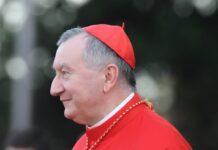





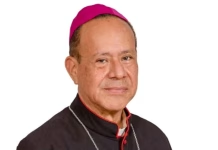


Cardinal Malcolm Ranjith condemns political insults to clergy, warning Sri Lanka against losing moral values rooted in religion.
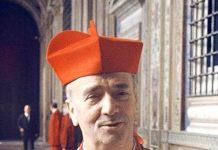
Newsroom (05/02/2026 Gaudium Press ) In an impassioned message delivered on Sri Lanka’s 78th Independence Day, Cardinal Malcolm Ranjith warned that the nation risks moral decline by allowing political leaders to disrespect religious figures and undermine long-standing spiritual traditions.
Speaking at a special prayer service in Colombo on Feb. 4, the Archbishop of Colombo condemned recent incidents involving both Buddhist and Catholic clergy, describing them as evidence of a “growing tendency among those in power to deny religious leaders the right to speak and act on national issues.”
The cardinal’s remarks came in response to two controversies that have stirred outrage across religious communities.
Political insults and violence against clergy
Ranjith sharply criticized Agriculture Minister K. D. Lal Kantha, who had reportedly referred to Venerable Walawahangunawewe Dhammarathana, chief incumbent of the Mihintale Rajamaha temple, as a “savage.” The insult followed the monk’s criticism of the government’s education reforms — policies that include the introduction of sex education in schools and the decriminalization of homosexuality.
These proposals have drawn vocal opposition from both Buddhist and Catholic leaders, who see them as contrary to the island’s cultural and religious values.
In another disturbing incident, the cardinal cited the alleged assault of Father Milan Priyadarshana, a priest from the Colombo Archdiocese, by four police officers on Jan. 2. Witnesses claim the officers mocked the priest, saying, “You people are destroying this country with your cassocks and robes.” The Catholic Church has demanded an official investigation into what it terms an unprovoked attack.
“Politicians must definitely respect religious leaders,” Cardinal Ranjith declared, warning that contempt toward clergy “poses a serious challenge to the very existence of religion, which is recognized and protected by the Constitution.”
Warning of a “destructive path”
Drawing parallels with Europe’s secular decline, the cardinal cautioned against imitating Western societies that “tried to build civilization without religion by degrading it.”
“It would be foolish to follow such a destructive path in Sri Lanka,” Ranjith said, questioning whether the country was already heading in that direction by sidelining religious morality in public life.
Buddhist leaders demand accountability
Venerable Liyanwala Sasanarathana Thera, chairman of the Buddhist National Sangha Conference, echoed the cardinal’s warning, saying the government would face “serious consequences” if it failed to act against Minister Kantha over his remarks.
Calls for balance and restraint
However, not all voices agree that the situation represents a one-sided abuse of power. Colombo-based rights activist Sisira Udaya argued that while political figures should show restraint, some members of the clergy also misuse their spiritual authority to push partisan agendas.
“The minister did not insult Buddhism,” Udaya said. “He merely pointed out the improper behavior of a monk. There are extremist monks and politicians alike who make statements that disturb social harmony.”
Interfaith campaigner Nipuni Kaluarachchi offered a more conciliatory view, urging religious leaders to “be cautious about involving themselves in politically motivated disputes,” warning that such entanglements could further erode trust between citizens and faith institutions.
A crossroads for faith and politics
As Sri Lanka reflects on over seven decades of independence, the cardinal’s plea serves as both a moral warning and a political challenge. At its heart lies a central question for a nation still recovering from years of turmoil: can Sri Lanka preserve its religious conscience while navigating the demands of a modern, pluralistic democracy?
- Raju Hasmukh with files from UCA News
Related Images: