






Seoul Archdiocese holds its 1,500th weekly Mass for peace and unity, continuing a 31-year legacy of prayer for Korean reconciliation.
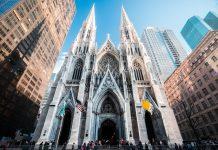
Newsroom (13/02/2026 Gaudium Press ) In a powerful symbol of enduring faith and hope for peace, Catholics in South Korea’s capital gathered at the Cathedral of the Immaculate Conception in Myeong-dong, Seoul, on February 10 to celebrate the 1,500th weekly Mass for reconciliation and unity on the Korean Peninsula — a tradition sustained for more than three decades.
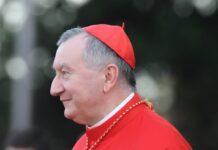
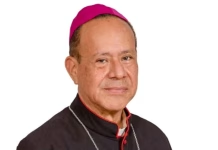
Archbishop Peter Chung Soon-taick of Seoul, presiding over the milestone liturgy, described the continuous observance since 1995 as an “unparalleled feat in the history of the Catholic Church in Korea.” He praised the unwavering dedication that has kept the Mass alive through social and political upheavals, remarking that it demonstrates the “crucial importance of peace and reconciliation between North and South Korea for our people.”
A Tradition Rooted in Faith and History
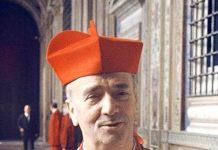
Since its inception in 1995 by the Korea Reconciliation Committee of the Archdiocese of Seoul, the weekly Mass has become a cornerstone of the Church’s mission for peace. The first Reconciliation Mass was celebrated by the late Cardinal Kim Sou-hwan, then Archbishop of Seoul and Apostolic Administrator of Pyongyang, on March 7, 1995. Except for a pause during the COVID-19 pandemic, the Mass has continued every Tuesday evening.
The 1,500th service drew about 400 attendees, including Apostolic Nuncio Archbishop Giovanni Gaspari, Archbishop Choi Chang-mou—the committee’s founding chairperson—Costa Rican Ambassador Jorge Enrique Valerio Hernández, Unification Minister David Chung Dong-young, and other political, religious, and diplomatic figures. Their presence underscored the Mass’s ongoing relevance beyond religious circles, reinforcing its significance as a moral beacon for dialogue and peace.
A Steady Light Amid Shifting Tides
Reflecting on the long years of tenuous inter-Korean relations, Archbishop Chung acknowledged that “there have been times when peace seemed within reach, and moments when dialogue completely stopped.” He candidly described the current situation as unclear yet called for steadfast hope, urging that “efforts to understand the other side and seek reconciliation are not a weak or unrealistic choice, but a courageous one.”
He appealed for humility and empathy on both sides of the divided peninsula, encouraging an end to mutual pride and prejudice: “When we see each other as brothers and neighbors, entrenched relationships can truly be transformed.”
Unification Minister Chung Dong-young echoed this call, describing the Mass’s milestone as “deeply meaningful” and the cathedral as a space “filled with the spirit of reconciliation, forgiveness, life, and peace.”
A Shared Prayer Across Borders
Since August 15, 1995, a unique bond has linked the faithful in Seoul and Pyongyang. Each Tuesday evening, Saint Francis’ “Prayer for Peace” is recited simultaneously at Myeong-dong Cathedral and Changchung Church in Pyongyang, following an agreement between the Seoul Archdiocese’s Korea Reconciliation Committee and North Korea’s Korean Catholic Association. The shared prayer remains one of the few sustained religious connections between the two Koreas.
After each Mass, participants also join a “Prayer Meeting for Sharing Peace,” praying the Rosary together for reconciliation. In 2015, marking the 70th anniversary of Korea’s liberation and division, the Archdiocese began the “Remembering One North Korea Church” campaign to pray for the 57 parish churches and over 52,000 faithful who once lived in the northern region.
Enduring Hope for the Future
Now entering its 31st year, the weekly Mass continues to stand as a symbol of resilience and faith in a region fraught with division. For the Catholic community in Seoul, it is more than a ritual — it is a living expression of unity, perseverance, and a steadfast prayer that one day the long-anticipated reconciliation between North and South will blossom into peace.
- Raju Hasmukh with files from UCA News
Related Images: