

















Rajasthan cancels recognition of a Catholic school over alleged proselytization; Church calls action illegal, parents defend its record.
Newsroom (10/04/2026 Gaudium Press ) In a move that has sparked outrage among Church leaders and parents, the government of Rajasthan state in western India has revoked the official recognition of St. Paul Secondary School in Dungarpur district. Authorities accused the Catholic-run institution of engaging in activities meant to attract students toward the Christian faith, prompting charges of religious indoctrination and coercion.
Father Sanjay Dodiyar, the school’s manager, described the decision as “absolutely illegal and mala fide,” claiming the order came abruptly and without any prior notice or warning. According to Dodiyar, the school has already filed a challenge in the Rajasthan High Court, arguing that the administration’s action breaches procedural fairness and reflects growing hostility toward Christian institutions under the present government.
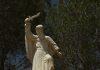
The district education officer’s April 2 letter formally revoked the school’s recognition, prohibiting it from conducting classes, admitting new students, or holding examinations. The letter alleged that the school beat students, installed a statue of Mother Mary on its premises, and required teachers to be addressed as “father, mother, and sister.” It also directed the transfer of approximately 500 students to other nearby schools.
Officials asserted that installing a religious statue on school grounds amounted to promoting a “particular faith” and risked influencing young minds toward Christianity. Church representatives, however, argue that such claims misrepresent the school’s ethos and infringe on India’s constitutional guarantees of religious freedom.
Father Dodiyar said the revocation was the culmination of a “witch-hunt” that began last September. He recounted that authorities—including the district Child Welfare Committee, local police, and members of a right-wing Hindu group—conducted a surprise inspection after receiving complaints of forced religious conversion. Although the subsequent visit by the Dungarpur district collector failed to substantiate these allegations, the institution’s recognition for grades 9 and 10 was withdrawn soon after. The latest directive extended the ban to grades 1 through 8, effectively shutting down the school.
Parents have voiced strong opposition to the government’s decision. A letter signed by parents of more than 100 students rejected the accusations, saying the school’s environment was “disciplined and conducive to education.” They insisted that students of various faiths—Hindus, Muslims, Jains, and Christians—study together harmoniously, and that the school provides quality education focused on ethics and character development rather than religion.
Founded in 1952 as St. Patrick’s Higher Secondary School and now part of the Catholic diocese of Udaipur, St. Paul Secondary School switched from Hindi to English medium in 2011. The institution has long been regarded locally for its academic standards and contributions to holistic student growth.
Catholic leaders contend that the school’s closure reflects a wider campaign of harassment against Christians in Rajasthan. Incidents targeting minority-run institutions have reportedly increased since the Bharatiya Janata Party (BJP), led by Prime Minister Narendra Modi, regained power in the state in 2023. Hindu groups allied with the BJP have accused Christian missions of undermining traditional Hindu values and have pressed state authorities to enforce anti-conversion laws more aggressively.
Rajasthan is one of 13 Indian states enforcing such laws, which criminalize conversions perceived to involve coercion, fraud, or inducement. Critics say the vague language allows officials to target legitimate religious and educational activities, especially among minority faith communities.
Christians represent a mere 0.14 percent of Rajasthan’s population of over 68 million, while nearly 89 percent identify as Hindu, according to India’s 2011 census. The fate of St. Paul Secondary School now rests with the high court, which must decide whether the government’s move constitutes a legitimate application of law—or an act of discrimination cloaked as regulation.
- Raju Hasmukh with files from UCA News
Related Images: