






Pope Leo XIV returned to the Vatican after a three-week retreat and prepared to join a peace prayer event in Castel Gandolfo.
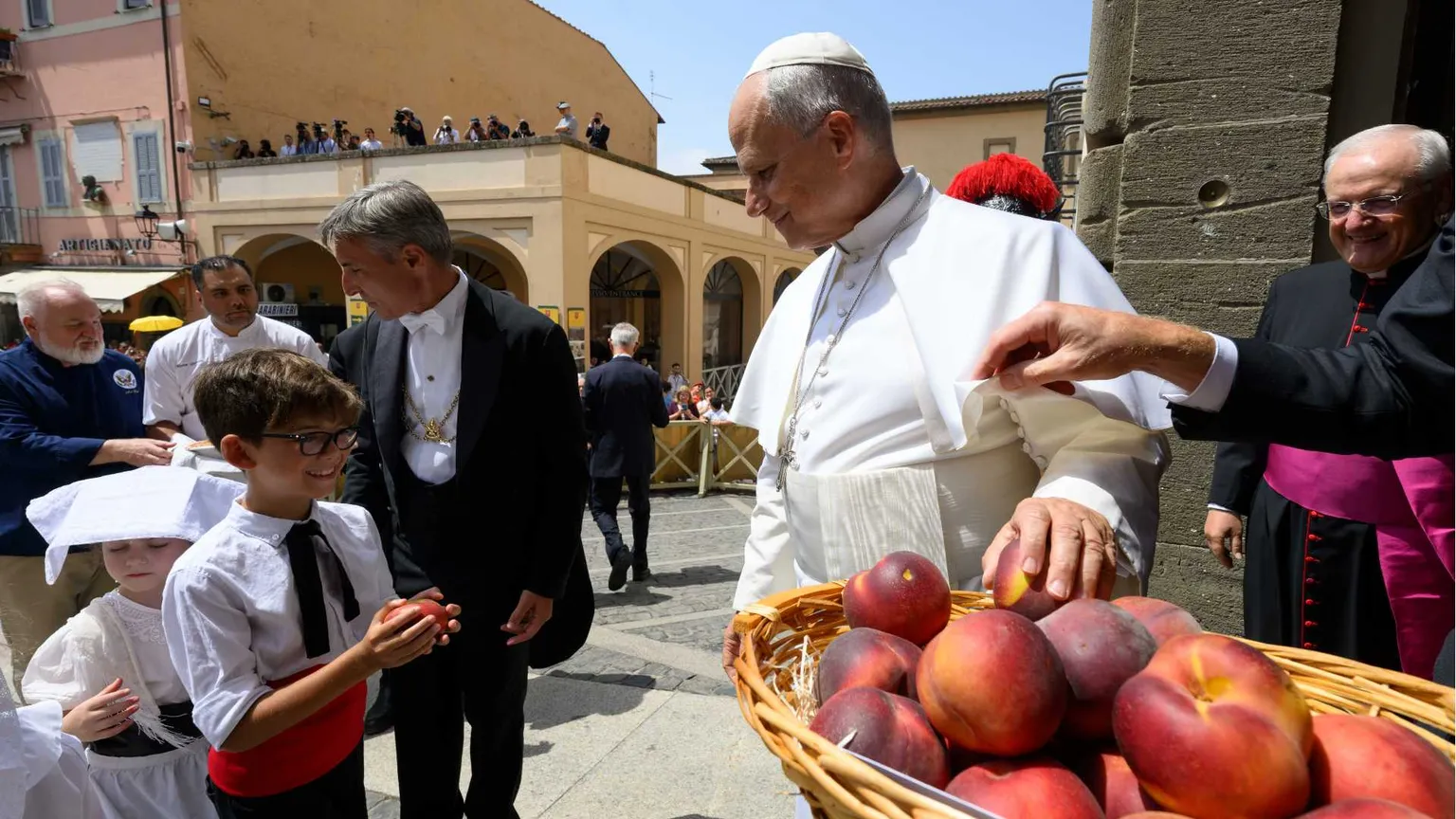
Newsroom (29/07/2026 Gaudium Press ) Pope Leo XIV returned to the Vatican after three weeks of rest, prayer, and reflection at the Pontifical Villas of Castel Gandolfo, concluding a period marked by spiritual renewal, encounters with the faithful, and repeated appeals for peace.
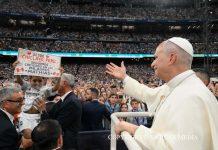
His departure followed a final Sunday Angelus in Piazza della Libertà, where large crowds gathered to greet him. Although his summer stay had ended, his connection with Castel Gandolfo continued immediately. The following day, the Pope was set to return to participate in “Canticle of Peace,” an initiative organized by the Laudato si’ Center for Advanced Studies and the Andrea Bocelli Foundation.
The event was scheduled to take place at Borgo Laudato si’ within the Pontifical Villas. Centered on a prayer for peace inspired by Saint Francis of Assisi’s Canticle of the Creatures, the gathering was to feature Andrea Bocelli alongside a choir of 164 children and young people from Israel, the West Bank, Uganda, Haiti, and Italy.
The initiative brought together participants from diverse cultures and backgrounds in a shared commitment to dialogue, fraternity, and reconciliation. It also reflected themes that had characterized the Pope’s stay in Castel Gandolfo, particularly his continued calls for peace amid global conflicts.
A Retreat Focused on Prayer and Renewal
According to Bishop Vincenzo Viva of Albano, Pope Leo XIV spent the summer weeks in the manner he had originally described upon arriving in Castel Gandolfo.
The 55 hectares of the Pontifical Villas, known for their combination of natural beauty, silence, history, and archaeology, provided an ideal setting for reflection and rest during the first year of his pontificate. When he first appeared from the balcony of the Apostolic Palace, the Pope had stated his intention to dedicate the period to prayer, reading, rest, and physical activity.
During the retreat, he also maintained contact with the faithful and local residents through a variety of encounters. His schedule included several significant outings, notably visits to the Sanctuary of the Holy Trinity of Vallepietra and sites linked to Benedictine spirituality, including Montecassino and Subiaco. There, he met monastic communities and spent time in prayer.
Enthusiastic Welcome From the Local Community
Bishop Viva noted that the announcement of the Pope’s summer residence in Castel Gandolfo had been received with enthusiasm throughout the local community.
Residents viewed the return of a pontiff to the Pontifical Villas as a moment of joy and renewed connection with a longstanding tradition linking the papacy to the Castelli Romani region. The relationship between the Popes and Castel Gandolfo remained deeply rooted, with traces of papal history visible throughout many towns of the Diocese of Albano.
Throughout the summer, the faithful had multiple opportunities to encounter Pope Leo XIV. Among those present at the Sunday Angelus celebrations were many elderly and sick pilgrims who were assisted by volunteers from Unitalsi and the Order of Malta. Their participation allowed them to receive the Pope’s greeting and blessing personally.
Music Carried a Message of Peace
One of the most memorable moments of the Pope’s stay occurred on July 18, when the Diocese of Albano offered a concert in the courtyard of the Apostolic Palace.
Conceived as a gesture of gratitude and communion with the Holy Father, the event reflected the Pope’s appreciation for music. The performance featured Oscar-winning composer Luis Bacalov’s reinterpretation for piano and orchestra of Vincenzo Bellini’s Norma, performed by pianist Rossana Tomassi Golkar and the Musici di Parma under the direction of Pier Carlo Orizio.
Accompanied by evocative imagery, the concert carried a strong symbolic message. Bishop Viva explained that it invited reflection on the plight of women and mothers living in areas affected by war, many of whom continued to protect their children and preserve hope amid violence and destruction.
The figure of Norma, a mother who ultimately broke the cycle of violence and sacrifice, was presented as a powerful symbol of reconciliation and peace. The themes of the work echoed concerns that had frequently appeared in the Pope’s public reflections.
Peace Remained at the Center of the Pontiff’s Message
Although Castel Gandolfo served as a place of rest, Bishop Viva observed that the Pope never lost sight of the suffering caused by conflicts around the world.
His Angelus messages repeatedly addressed the need for peace, dialogue, and reconciliation. The bishop also linked the Pope’s visits to Montecassino and Subiaco, as well as his prayer before the fresco of the Holy Trinity at Vallepietra, to a deeper spiritual search for the foundations of peace.
Those experiences, he said, expressed a journey toward God as the source of authentic peace and inspired a commitment to dialogue, the disarmament of words and actions, and the harmonious coexistence of differences.
Against this backdrop, the upcoming “Canticle of Peace” initiative represented a continuation of the themes that had marked Pope Leo XIV’s summer retreat. Through prayer, music, and the participation of young people from several parts of the world, the gathering sought to embody a message of reconciliation and hope in a world still marked by division and conflict.
- Raju Hasmukh with files from Avvenire