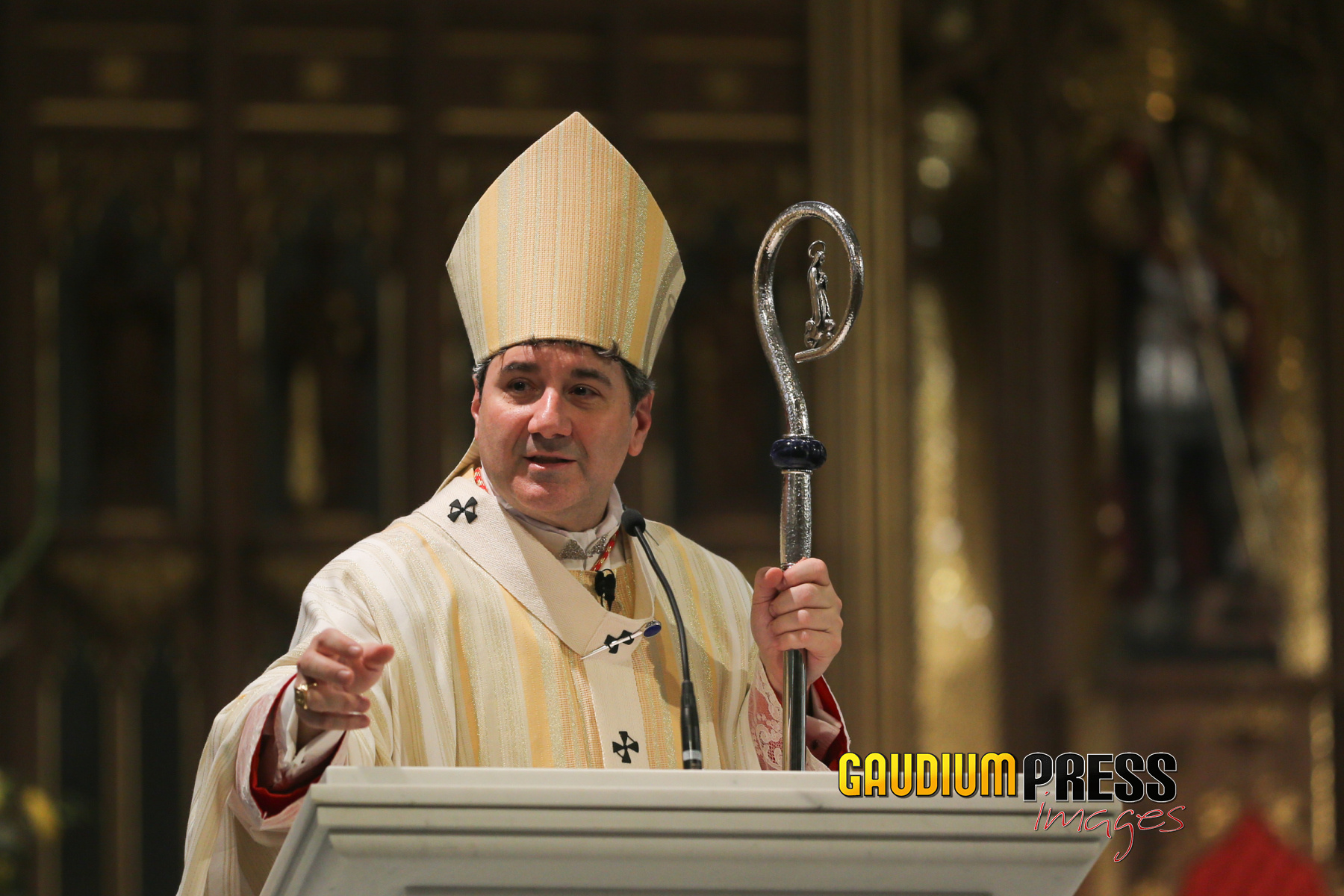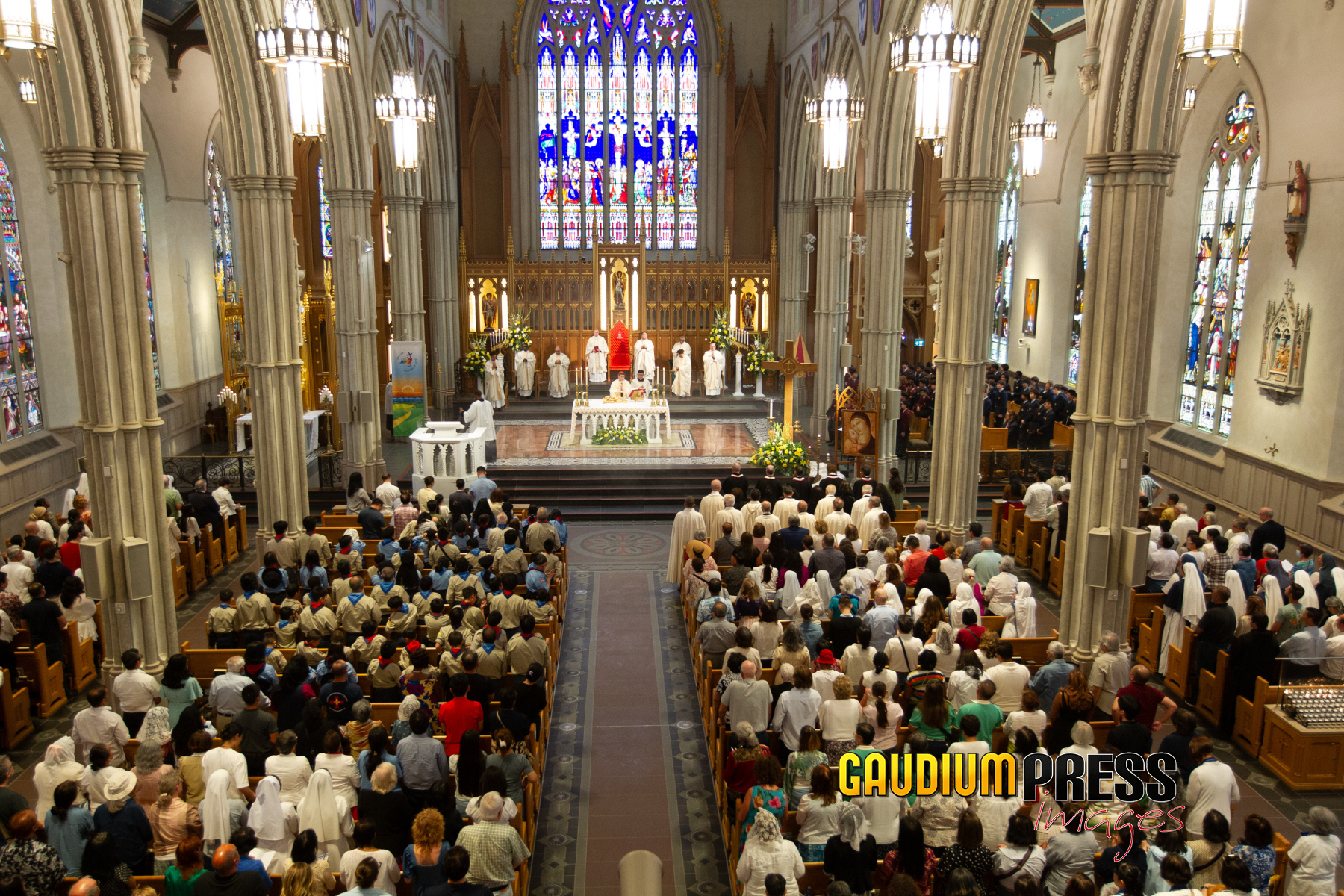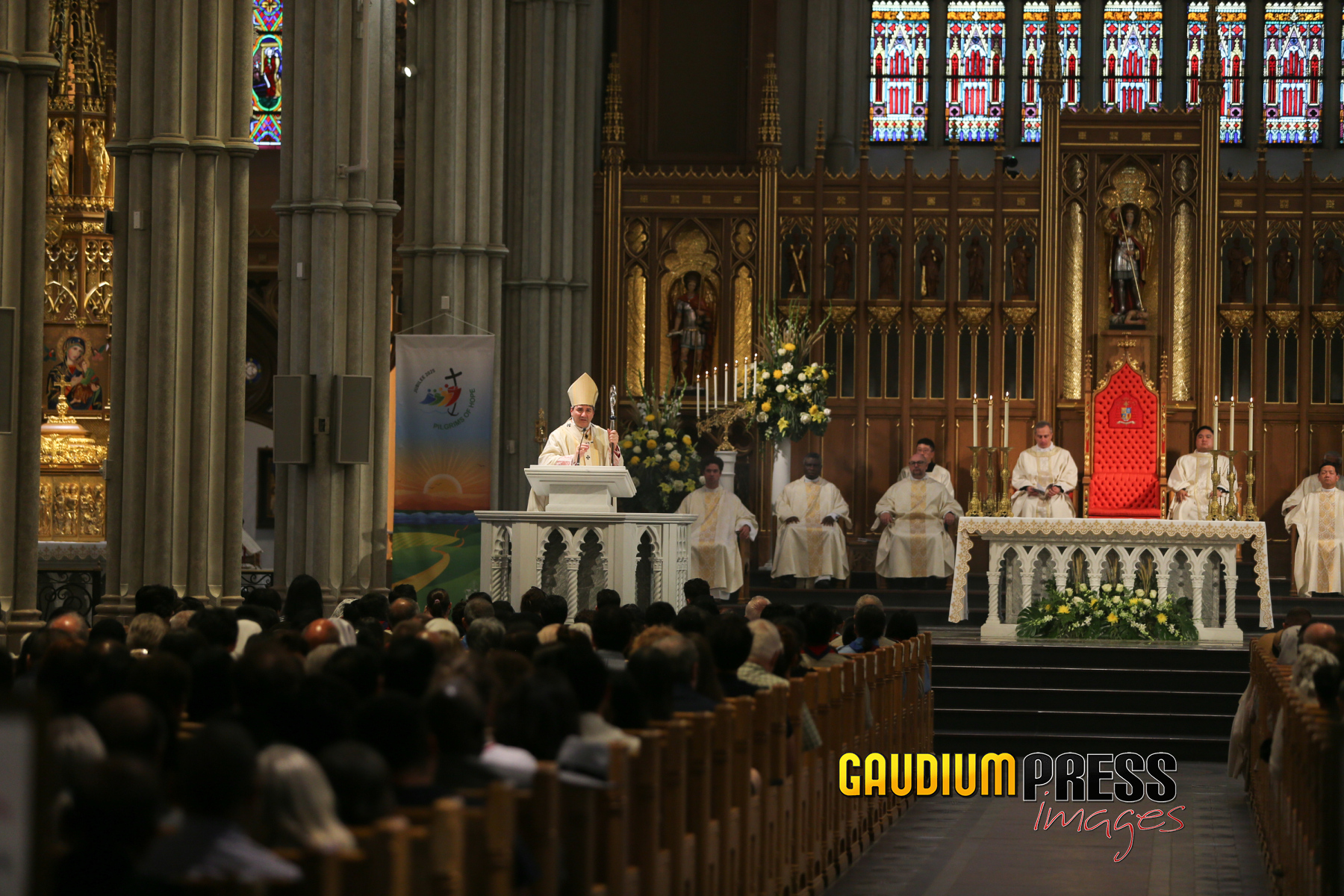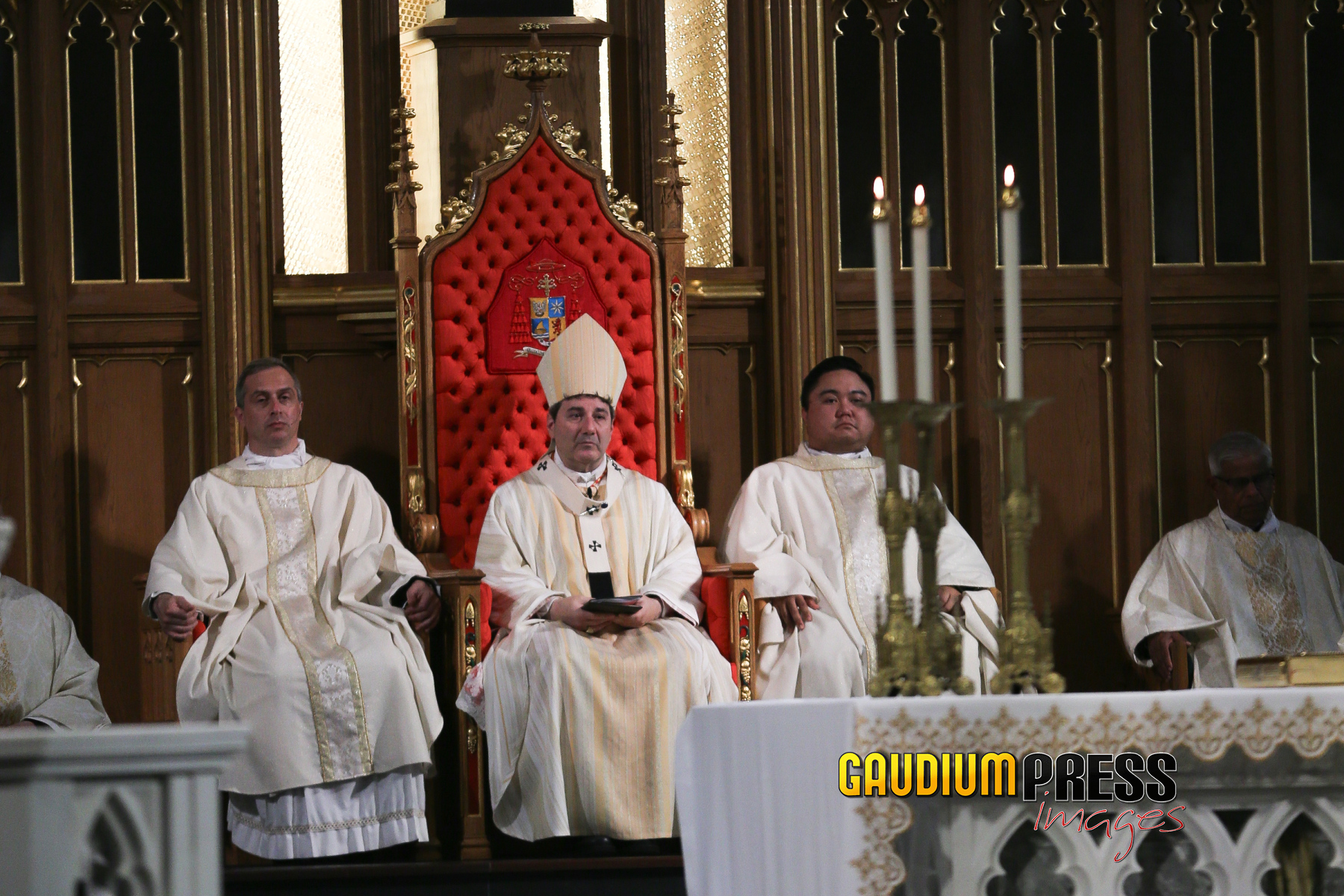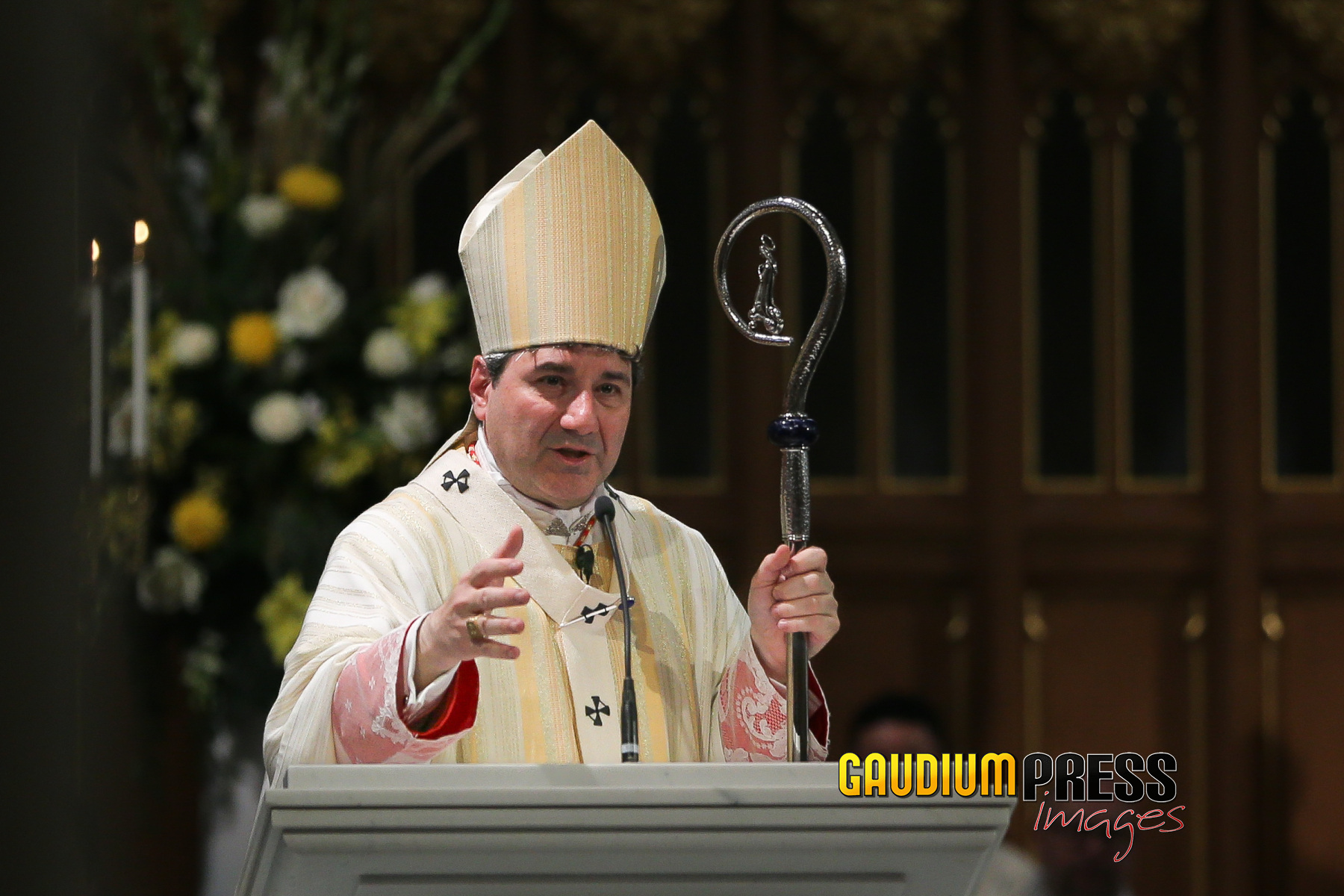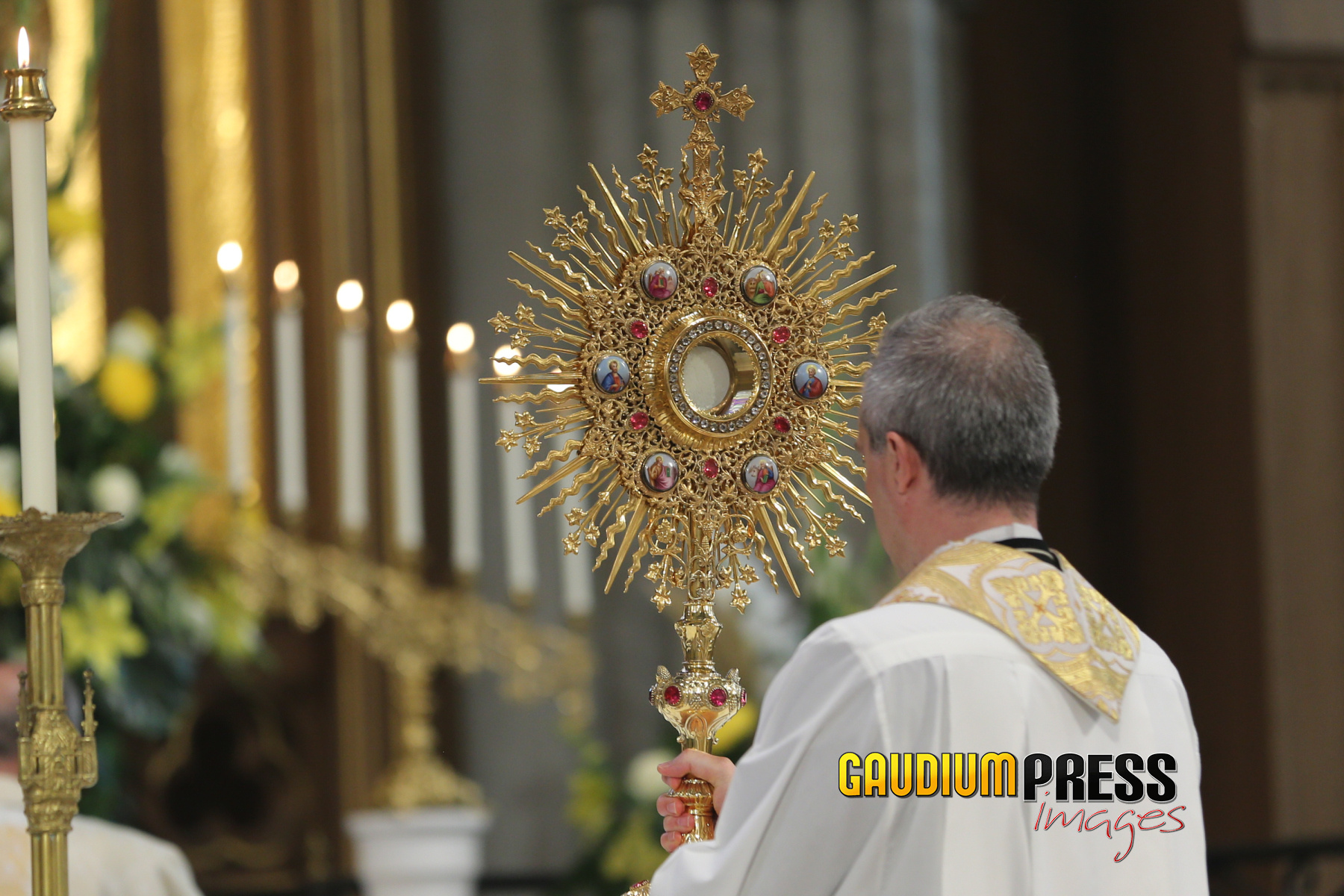
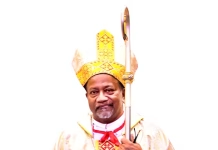






Pope Leo XIV urges peace, unity, and spiritual renewal during Mass at Bamenda International Airport in northwest Cameroon.
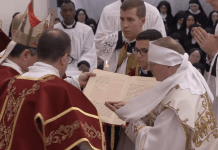
Newsroom (16/04/2026 Gaudium Press ) On April 16, under a bright Cameroonian sky, Pope Leo XIV stood before thousands at Bamenda International Airport, celebrating Mass as part of his apostolic visit to the Central African nation. His homily, delivered with deep pastoral emotion, was more than a message of hope—it was a solemn call to rebuild trust, heal broken hearts, and renew the moral and spiritual fabric of the nation.
“I come among you as a pilgrim of peace and unity,” the Pope began, greeting his listeners as “brothers and sisters in Christ.” He spoke of the joy in joining their journey—sharing in their difficulties and hopes—and praised the spiritual vitality of their celebrations and prayers, which, he said, “spring from trusting surrender to God” and reveal the people’s steadfast hope and love of the Father.
The Mass’s theme was rooted in Psalm 34: “The Lord is close to the brokenhearted and saves those who are crushed in spirit.” From these words, Leo XIV drew a message tailored to the challenges faced by Cameroon—an appeal for courage and renewal in the face of profound national hardship.
A Portrait of Struggle
With precision and compassion, the Pope outlined the many wounds afflicting the region: entrenched poverty worsened by the food crisis, corruption stifling moral and social development, faltering education and healthcare systems, and mass emigration of young people seeking opportunity abroad. “To these internal problems,” he warned, “is added the harm caused from outside by those who, in the name of profit, continue to interfere in the African continent to exploit and plunder it.”
Yet his tone was not one of despair. Instead, Leo XIV urged his listeners to see the present moment as a turning point: “Today, not tomorrow, now, not in the future, the time has come to rebuild—to piece together the mosaic of unity by assembling the diversity and richness of the country and the continent.”
This was not mere rhetoric; it was a clear moral summons to action, echoing his broader vision of Africa as a continent destined to rise through faith, ethical governance, and social solidarity.
Obedience That Frees
A cornerstone of the homily was the Pope’s reflection on obedience to God as a source of freedom. Drawing on a passage from Acts 5, he recalled the Apostles’ defiance of worldly authority: “We must obey God rather than men.” This courage, said Leo XIV, transforms people into “active agents of change,” capable of resisting evil by living the good.
“Obeying God,” he explained, “is not an act of submission that oppresses us or nullifies our freedom; rather, it makes us free.” He urged believers to resist resignation—the kind that grows from constant exposure to corruption and conflict—and to rediscover the divine vitality that renews both the soul and society.
This reinterpretation of obedience reframed the Gospel as a call to conscience and civic engagement. “He who obeys God rather than men and the human and earthly way of thinking,” the Pope said, “finds his own inner freedom, discovers the value of good, and becomes a builder of peace and fraternity.”
Guarding the Faith
The homily’s final appeal was directed inward, toward the Church itself. The Pope cautioned against distortions of faith that mix Catholicism with “esoteric or Gnostic beliefs” serving political or economic ends. True liberation, he insisted, comes only from the Word and Spirit of God, not from ideologies or material promises.
He praised Cameroon’s priests, missionaries, and lay people for their enduring witness to hope amid adversity, encouraging them to continue as “a source of comfort and hope.” His closing benediction invoked Mary, “Most Holy, Queen of the Apostles and Mother of the Church,” signaling the depth of his spiritual solidarity with those who serve in the region’s parishes and missions.
A Moment of Reckoning and Grace
For many in Bamenda, Pope Leo XIV’s visit was more than ceremonial—it represented a rare moment of unity in a land scarred by division and hardship. His words carried the weight of a global shepherd mindful of Africa’s pain yet confident in its potential for renewal.
As he departed the altar, his message lingered in the morning air—a call to resist despair with faith, to transform resignation into rebuilding, and to trust that healing begins where hearts turn again toward God.
- Raju Hasmukh with files from Vatican.va
Related Images: