















Archbishop Linus Neli urges peace and a “Manipur Agreement 2026” as killings reignite tensions in Manipur’s worsening ethnic conflict.
Newsroom (15/06/2026 Gaudium Press ) Amid a worsening cycle of violence in India’s northeastern state of Manipur, Catholic Archbishop of Imphal Mgr. Linus Neli has issued a strong appeal for peace, urging ethnic communities to work toward a historic reconciliation agreement he envisions as the “Manipur Agreement 2026.” His call comes against the backdrop of a renewed escalation sparked by a hostage crisis and the brutal killing of civilians, including two Protestant pastors.
In a statement titled “On the Protection of Human Life and the Pursuit of Peace,” Archbishop Neli expressed profound sorrow over the toll of the conflict, now stretching beyond three years. “We deeply regret the loss of innocent lives and the destruction caused,” he said, condemning all forms of violence targeting civilians. He emphasized that “no circumstance or justification can justify the killing of an innocent human being,” reaffirming the sanctity of life and human dignity.
The archbishop’s remarks come as tensions between Manipur’s three largest ethnic groups—the Kuki, Naga, and Meitei—have reached a new flashpoint. What had appeared to be a tentative de-escalation following the release of 14 Kuki hostages quickly unraveled after security forces discovered the bodies of six Naga civilians on June 10. The men, abducted nearly a month earlier on May 13, had reportedly been tortured and killed.
Among the victims were Reverend Manu Thiumai and Pastor Kenpibou, both respected Baptist leaders within the Naga community. Local sources indicate that the killings were carried out in retaliation for the deaths of three Kuki Baptist pastors in mid-May, underscoring the deeply entrenched cycle of reprisal violence.
The massacre has triggered widespread outrage among Nagas. The United Naga Council has called for protests, road blockades, and demonstrations to demand justice, while the Naga Peoples’ Movement for Human Rights described the killings as “extremely brutal,” labeling them a “crime against humanity” and a “barbaric act.” Naga leaders have since rejected ceasefire arrangements with Kuki militant groups and are pressing authorities to immediately apprehend those responsible.
Against this volatile backdrop, Archbishop Neli has urged communities to resist retaliation and instead embrace dialogue. “We call for an end to reprisals and revenge,” he said, advocating for forgiveness, reparations, and a collective search for truth as the only viable path toward rebuilding trust.
He stressed that lasting peace cannot be achieved through force but must emerge from sustained engagement among communities, supported by traditional institutions and civil society organizations capable of effective mediation. According to the archbishop, “progressive disarmament and the strengthening of cross-border cooperation” are also essential to fostering long-term stability and economic development in the region.
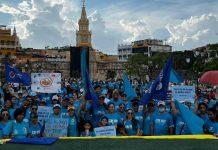
The Catholic Church, he affirmed, stands ready to support initiatives aimed at healing, reconciliation, and accountability. This commitment was symbolized in recent days when Catholic communities across Manipur held a special day of prayer for peace, bringing together believers from different ethnic backgrounds in a rare display of unity.
However, the humanitarian toll of the conflict continues to mount. Government figures estimate that approximately 60,000 people have been internally displaced as of June 2026, forced from their homes by ongoing violence and insecurity. These displaced populations represent a cross-section of Manipur’s ethnic diversity, highlighting the widespread impact of the crisis.
The archbishop’s proposal for a “Manipur Agreement 2026” reflects a growing recognition among religious and civil leaders that a comprehensive framework is urgently needed to address the root causes of the conflict. While details of such an agreement remain undefined, his appeal underscores the importance of collective ownership in peacebuilding.
“We call on all communities to work together for a comprehensive and lasting peace,” Archbishop Neli said, reiterating that reconciliation must involve not only political agreements but also moral and social transformation.
As Manipur grapples with grief, anger, and deep divisions, the challenge remains whether its communities can move beyond cycles of vengeance to heed calls for dialogue—and whether a lasting peace agreement can indeed emerge from one of the region’s most protracted and painful conflicts.
- Raju Hasmukh with files from Fides News
Related Images: