



















Archdiocese of Madras-Mylapore opens first pastoral desk for transgender people, offering spiritual and social support in Chennai.
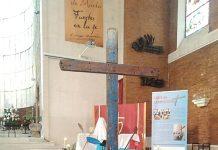
Newsroom (03/03/2026 Gaudium Press) In a move described as both pastoral and historic, the Catholic Church in southern India has opened a new ministry dedicated to serving transgender persons. The initiative, formally inaugurated by Archbishop of Madras and Mylapore at Kadarkarai Sagaya Madha Church in Ennore, Chennai, on February 26, underscores growing Church engagement with gender and social inclusion in the Indian context.
The new “Catholic Desk,” the first structured pastoral office of its kind in the archdiocese, was launched during the blessing of newly completed parish facilities. Church officials said the desk aims to offer both spiritual accompaniment and tangible assistance, including access to professional counselling and employment support. According to diocesan representatives, the project reflects a “commitment to uphold human dignity while responding to acute social vulnerability.”
India’s estimated half-million transgender citizens, many identifying as members of the ancient Hijra community, occupy a distinctive cultural space that predates Christianity’s arrival on the subcontinent. The Hijra identity, officially recognized in several South Asian countries, draws upon Hindu, Islamic, and local traditions, and is historically associated with ritual roles during births and weddings.
A Growing Pastoral Movement
The new Chennai initiative builds on earlier Church-led outreach in Kerala, where in 2017 clergy and lay leaders formed a support network under the Pro-Life Support movement. Inspired by Pope Francis’s repeated appeals for pastoral accompaniment of LGBT persons, the Kerala programme helped set a precedent for faith-based advocacy among marginalized gender minorities.
Since then, several Catholic institutions in Kerala have taken practical steps to reduce social stigma. Religious sisters from the Congregation of the Mother of Carmel made their premises available for an education project targeted at transgender youth who had dropped out of school. Caritas India, the Church’s charitable arm, has also developed inclusion programmes aimed at ending discrimination and promoting community reintegration.
Activists and Church representatives alike have pointed to the symbolic importance of such gestures in a country where, despite growing legal recognition, the transgender community continues to face deep-rooted prejudice. Advocates argue that religious institutions possess unique moral authority to shift public attitudes at the local level.
Balancing Doctrine and Outreach
While the Church’s engagement represents a pastoral shift, it comes within the bounds of its established moral teaching. The Catholic Church maintains that every human being is created in the image and likeness of God, possessing an inviolable dignity that no circumstance can erase. At the same time, magisterial documents affirm that sexual difference — male and female — is not incidental but essential to personhood.
In 2023, the Vatican’s Dicastery for the Doctrine of the Faith reiterated that “gender ideology” risks detaching identity from the body and obscuring the complementarity of the sexes. Although no official teaching directly addresses South Asia’s Hijra tradition, Church theologians interpret the broader moral framework as applicable to all cultural contexts. Practices linked historically to ritual castration or non-Christian religious symbolism, they note, conflict with the Christian understanding of the human body as God’s creation.
Nevertheless, the Church also insists that pastoral care for all persons—especially those marginalized or excluded—is a Gospel imperative. As such, ministries like the new Catholic Desk in Chennai can be understood as living expressions of Christian charity, offering accompaniment, compassion, and practical help without compromising doctrinal principles.
Compassion Within Cultural Complexity
The establishment of this initiative comes amid wider societal reckoning in India over gender identity, faith, and inclusion. For many within the Hijra community—long viewed with a mix of reverence and marginalization—the Church’s latest gesture carries both moral and social significance. It signals not a doctrinal shift, but a deepening resolve to respond pastorally to the realities of human suffering at society’s edges.
As one Church official in Chennai put it, the ministry seeks to embody “the face of Christ among those most excluded.” Within India’s diverse religious mosaic, such efforts may offer a quiet but meaningful contribution to national conversations about dignity, acceptance, and the divine image reflected in every person.
- Raju Hasmukh with files from Catholic Herald
Related Images: