









Bishop Martin’s ban on altar rails and kneelers in Charlotte prompts fierce churchwide debate over reverence, unity, and leadership style.
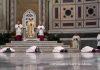
Newsdesk (24/12/2025 Gaudium Press ) In a move that has startled Charlotte’s Catholic community, Bishop Michael Martin announced a sweeping realignment of liturgical practice across the Diocese of Charlotte, North Carolina, banning altar rails, kneelers, and prie-dieus for the reception of Communion and ordering their removal by January 16, 2026. The decree, framed as an effort to foster unity and align with what the bishop described as the normative posture in the United States—standing—has provoked a vociferous reaction from priests and lay faithful alike, who see the measure as emblematic of a top-down, “heavy-handed” leadership style that unsettles parish life and risk fracturing trust. Critics argue the reform ignores liturgical continuity and the tradition of reverence many Catholics associate with kneeling, prompting questions about synodality, consultation, and pastoral sensitivity within the diocese.
A broader reform agenda accompanies the kneeling ban, including a shift in priestly formation: seminarians in Charlotte are now slated to spend a year teaching at local high schools or middle schools, under a pastoral-year model designed to immerse future priests in the daily demands of lay life and education. While proponents insist the program provides essential real-world experience and strengthens faith formation through teaching, clerical sources describe it as disruptive, poorly aligned with traditional priestly formation, and potentially detrimental to vocations if not carefully integrated. This educational redirection sits alongside other controversial measures, such as restrictions on Latin liturgy and certain vestments, and a plan to confine the Traditional Latin Mass to a single chapel—policies that have intensified division within the diocese and sparked accusations of eroding pastoral sensitivity and synodality.
The Rift Over Kneeling
Martin’s December letter maintains that kneeling remains a personal option for individual faithful, but asserts that standing is the normative posture for Communion in the United States, a claim rooted in guidelines from national episcopal leadership. Critics counter that removing altar rails and kneelers shifts the balance of reverence and encounter in a way that may alienate older or physically disabled parishioners who rely on kneeling for a meaningful liturgical experience. A leaked May draft suggested the changes were not grounded in conciliar documents or current liturgical rubrics, prompting renewed debate about the legitimacy and timing of reform. The bishop’s defenders argue the reforms will lead to more active participation, but opponents warn that the changes risk eroding long-standing liturgical identities and the spiritual intimacy of Communion for many who find kneeling to be a meaningful expression of devotion.
Voices From the Clergy
The response among Charlotte’s presbyterate has been palpable. A priest who spoke to CNA on condition of anonymity described Martin’s leadership as “heavy-handed” and warned that if a vote of no confidence were possible, a majority would oppose him. He characterized a climate of “Martin fatigue” among clergy and laity, a sense that decisions are rolled out without sufficient consultation. The broader concern centers on synodality—whether the bishop’s process allows for robust, participatory deliberation with diocesan clergy and laypeople, or whether it reflects an autocratic impulse that stifles creativity and deep pastoral listening. Reports of clashes over the pace and scope of change echo across conversations about vocation, parish morale, and the health of diocesan institutions.
Vocational Implications and Liturgical Identity
Advocates of traditional liturgical practice point to vocations arising from parishes where kneeling is part of the normal reception of Communion. They argue that the suppression of kneeling could diminish the liturgical identity that underscores vocations and parish life. Critics counter that vestment and language restrictions, as well as the broader liturgical overhaul, may undermine the sense of continuity with Church history that many Catholics associate with reverence and beauty in worship. The ongoing tension between reform and continuity has already reshaped parish life, with reports of altered Mass experiences, cancellations of the Traditional Latin Mass in most chapels, and visible divisions between communities loyal to older forms and those embracing the bishop’s broader reform program.
The Seminary and Education Year
The pastoral-year plan for seminarians—teaching in local Catholic schools under lay mentorship and compensation—aims to expose future priests to the ordinary demands of family life and education. Yet diocesan insiders caution that a year away from parish ministry, without direct catechetical or pastoral training, could complicate vocational discernment and clerical identity. Some clergy fear that a prolonged period of classroom teaching, coupled with restrictions on clerical attire during the year, may hinder the development of a distinct priestly persona at a formative stage. Critics emphasize the need for careful implementation, broad consultation, and ongoing evaluation to avoid unintended consequences on priestly vocations and pastoral effectiveness.
A Snapshot of the Diocesan Climate
The diocesan response to the reforms has been mixed. Anonymous letters circulated earlier in the year criticized the approach as autocratic and urged a pause to cultivate genuine listening and relationship-building within the diocesan family. Yet the bishop presses ahead, insisting consultation occurs within a formal, central process, even as many priests and lay leaders say their voices are not adequately weighed in the final decisions. The tension between policy and practice—the decree to remove fixtures, the question of Latin usage, and the pace of change—has become a defining feature of Charlotte’s current ecclesial landscape, shaping how communities experience unity, reverence, and leadership.
Looking Ahead
What unfolds in the coming months—culminating in Rome’s ongoing dialogue about liturgical norms and diocesan governance—will determine whether Charlotte can reconcile reform with fidelity to tradition and pastoral sensitivity. The crossroads point to a broader question in contemporary Catholic life: how to balance the call to active participation and liturgical renewal with the indispensable need for pastoral accompaniment, shared governance, and respect for diverse liturgical sensibilities within a single corporate Church. As bishops, priests, and laity navigate these reforms, the diocese’s path forward will hinge on whether listening, humility, and prudence can accompany decisive leadership that remains faithful to the Church’s depth of reverence and its living memory.
- Raju Hasmukh with files from CNA and The Pillar
Related Images: