






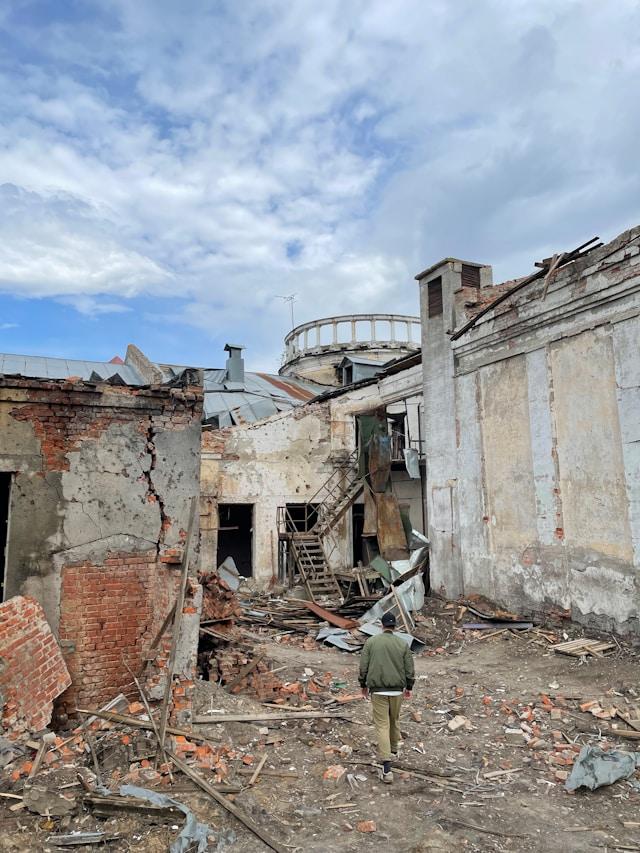
Apostolic nuncio supports peace initiatives as Zelenskyy calls on Putin for talks to end war in Ukraine.
Newsroom (05/06/2026 Gaudium Press ) The apostolic nuncio to Ukraine has voiced strong support for renewed diplomatic efforts to end the ongoing war, following an open letter issued by Ukrainian President Volodymyr Zelenskyy calling for direct negotiations with Russian President Vladimir Putin.
Archbishop Visvaldas Kulbokas, who has served as the Vatican’s representative to Ukraine since 2021, emphasized the Catholic Church’s longstanding position against war in a June 5 statement published by SIR, the news agency of the Italian bishops’ conference.
“When it comes to war, the Church’s judgment is clear,” Kulbokas said. “God has never revoked the Decalogue, and he has not authorized us to kill. Never.”
The Lithuanian archbishop underscored his support for any sincere diplomatic initiative, stating that he “appreciates and accompanies with prayer every initiative that sincerely and seriously aims to rebuild peace.”
Zelenskyy Calls War ‘Without a Real Cause’
The nuncio’s remarks came shortly after Zelenskyy released an open letter addressing Russia’s full-scale invasion of Ukraine, which began in 2022. In the letter, the Ukrainian president described the conflict as a “personal choice” by Putin and one that history would judge as “a war without a real cause.”
Zelenskyy argued that domestic sentiment within Russia is shifting, noting that citizens are “becoming less comfortable” with the war and its mounting military losses. He appealed directly to Putin to consider ending the conflict, urging him “not to be afraid to take the path out of this war.”
“The choice is yours now. Enough of war,” Zelenskyy wrote. “Ukraine proposes to end this war. This must be done honestly, with dignity and with guarantees that the war will not be reignited.”
Proposal for Talks and Prisoner Exchange
Central to Zelenskyy’s appeal was a call for a face-to-face meeting with Putin in a neutral location. He outlined potential confidence-building measures, including an “all-for-all prisoner exchange” and the return of civilians and children taken during the conflict.
At the same time, Zelenskyy made clear that Ukraine would continue to defend itself if diplomacy fails. “If you do not personally come to the conclusion that it is time to end this war, Ukraine will continue fighting for its existence,” he wrote, signaling continued international backing.
Kremlin Signals Conditional Openness
Shortly after the letter’s publication, Putin stated during a June 5 meeting with foreign journalists that he was “certainly prepared and willing to reach an agreement with Ukraine.” However, the Kremlin noted that while Putin was aware of the letter, he had not reviewed the specific proposals outlined by Zelenskyy.
The Russian president also indicated that any peace settlement would require compromises, widely interpreted as a reference to Moscow’s demand that Ukraine cede territory in the eastern Donbas region. Kyiv has consistently rejected such concessions, maintaining that it will not surrender any sovereign territory.
Vatican Encouragement for Dialogue
Despite the uncertainties surrounding potential negotiations, Archbishop Kulbokas welcomed even tentative signals of dialogue as positive progress.
“What might emerge from declarations regarding willingness to meet? We don’t know yet,” he said. “But it’s encouraging to see that the Kremlin, too, has declared its willingness to engage in dialogue.”
Kulbokas echoed a broader Vatican perspective emphasizing the role of diplomacy and communication in resolving conflict. Referencing Pope Leo, he noted the importance of pursuing peace “even with unarmed words,” which can lay the groundwork for substantive political engagement.
A Fragile Opening
While the path to peace remains uncertain, the convergence of Zelenskyy’s public appeal, the Kremlin’s cautious openness, and the Vatican’s moral backing highlights a potential—if fragile—opening for dialogue.
For now, the international community watches closely to see whether these initial gestures can develop into meaningful negotiations capable of bringing an end to one of the most consequential conflicts in recent history.
- Raju Hasmukh with files from OSV News
Related Images:


