






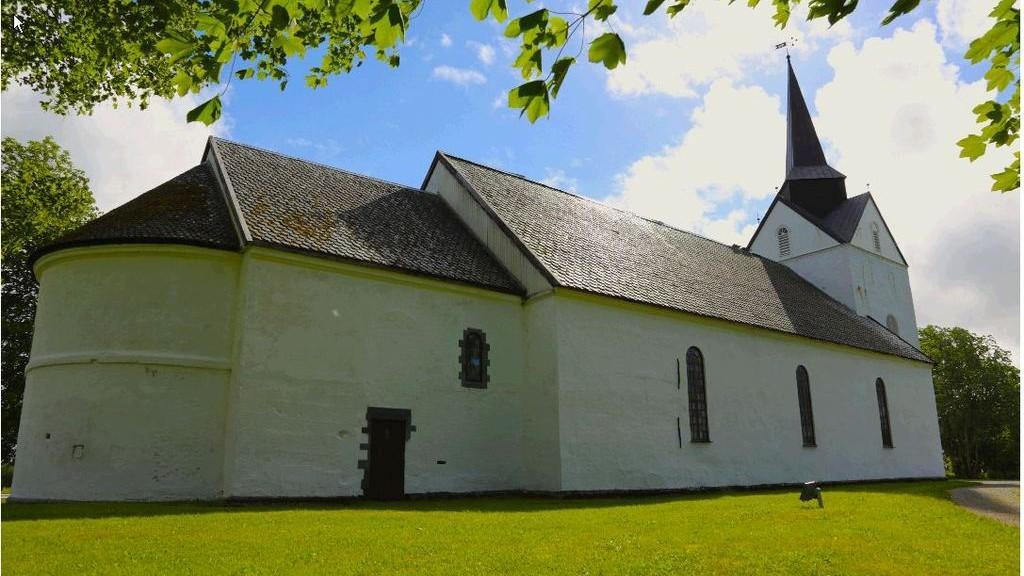
Norway ends church sanctuary practice as police remove asylum seeker after nearly three years, sparking debate on law, faith, and migration.
Newsroom (04/06/2026 Gaudium Press ) Norwegian police have removed a rejected asylum seeker from a church after nearly three years, marking a decisive break from a long tradition of informal “church asylum” protections. The case is the first of its kind since the country repealed guidelines that had previously discouraged authorities from entering places of worship to enforce deportation orders.
Suel Kassembo, described as an illegal immigrant, had been sheltering inside the church in Herøy for approximately two and a half years in an effort to avoid removal. On May 27, police entered the church and carried out the operation peacefully, signaling a firm policy shift by the Norwegian government.
A Longstanding Tradition of Sanctuary
Church sanctuary has deep historical roots, with places of worship traditionally seen as havens for individuals seeking protection from state authority. In modern times, this practice extended into immigration debates across Western countries.
From the 1980s through the early 2000s, churches and immigrant advocacy groups in countries including Germany, France, Belgium, the Netherlands, Norway, Switzerland, Australia, and Canada provided temporary refuge for migrants facing deportation. These sanctuary efforts varied in duration and legal interpretation, but they often reflected tensions between humanitarian considerations and immigration enforcement.
Notable cases highlight the complexity of the issue. In 2007, Iranian refugee Shahla Valadi was granted asylum in Norway after spending seven years in church sanctuary following an initial rejection. Canada recorded 36 sanctuary incidents between 1983 and 2003. However, such arrangements have never held formal legal standing. In 2016, Icelandic police removed two rejected asylum seekers from a church despite claims of sanctuary, underscoring that ecclesiastical protection does not override state law.
Policy Reversal and Enforcement
Norway’s recent action follows the repeal of long-standing guidelines that had effectively shielded churches from police intervention in immigration cases. For years, authorities avoided entering religious buildings, allowing rejected asylum seekers to remain indefinitely if they stayed inside.
That approach has now been explicitly abandoned. The government has made clear that churches can no longer function as de facto zones where deportation orders are suspended.
State Secretary Joakim Øren defended the decision, emphasizing the need for consistency. “The government has great respect for the church’s commitment and care for people in a difficult situation,” he said. “At the same time, it is problematic if staying in a church in itself should be able to prevent deportation after legally binding decisions.”
Authorities argue that allowing exceptions undermines the credibility of the asylum system. If individuals can avoid removal simply by remaining in a church, it creates unequal treatment and erodes public trust in immigration policies.
A Carefully Managed Operation
Despite the sensitivity of entering a religious space, officials stressed that the removal was conducted with restraint. Bishop Ingeborg Midttømme noted that police took deliberate steps to minimize disruption and respect the church community.
Officers reportedly avoided times when funerals or activities involving children were taking place and carried out the operation without uniforms. According to those involved, no force was used during the removal.
The measured approach appeared aimed at balancing enforcement with respect for religious institutions, even as the state asserted its authority.
Debate Over Faith, Law, and Migration
The case has reignited debate over the role of churches in immigration matters. Many within the Church of Norway viewed Kassembo’s extended stay as part of a moral tradition of offering refuge to vulnerable individuals.
Critics, however, argue that such practices create legal inconsistencies and may encourage prolonged evasion of deportation decisions. The government’s stance reflects a broader emphasis on equal application of the law, regardless of location or circumstance.
The situation also raises questions about the motivations and implications of church involvement in immigration cases. Observers note that those seeking sanctuary are often not members of the Christian faith, adding another layer to the debate over institutional responsibility and the limits of humanitarian intervention.
Broader European Context
The Norwegian decision comes at a time when migration remains a central issue across Europe. As countries grapple with balancing humanitarian obligations and border controls, policies around deportation and asylum enforcement continue to evolve.
This broader context was highlighted by Pope Leo XIV ahead of his planned June 6–12 visit to Spain’s Canary Islands, a major entry point for African migrants into Europe. The Pope underscored the need for both regulated borders and compassionate treatment of migrants.
“I personally believe a state has a right to set rules at its borders,” he said, while also urging wealthier nations to address the root causes of migration in poorer regions. He emphasized that migrants, regardless of legal status, “are human beings and deserve the respect that every human being deserves.”
A Defining Moment
The removal of Suel Kassembo marks a turning point in Norway’s immigration enforcement and signals the end of an era in which churches could serve as long-term sanctuaries from deportation.
While the action clarifies the government’s position on legal consistency, it also highlights enduring tensions between humanitarian values and the rule of law—an issue likely to remain at the forefront of European policy debates in the years ahead.
- Raju Hasmukh with files from European Conservative
Related Images:


