






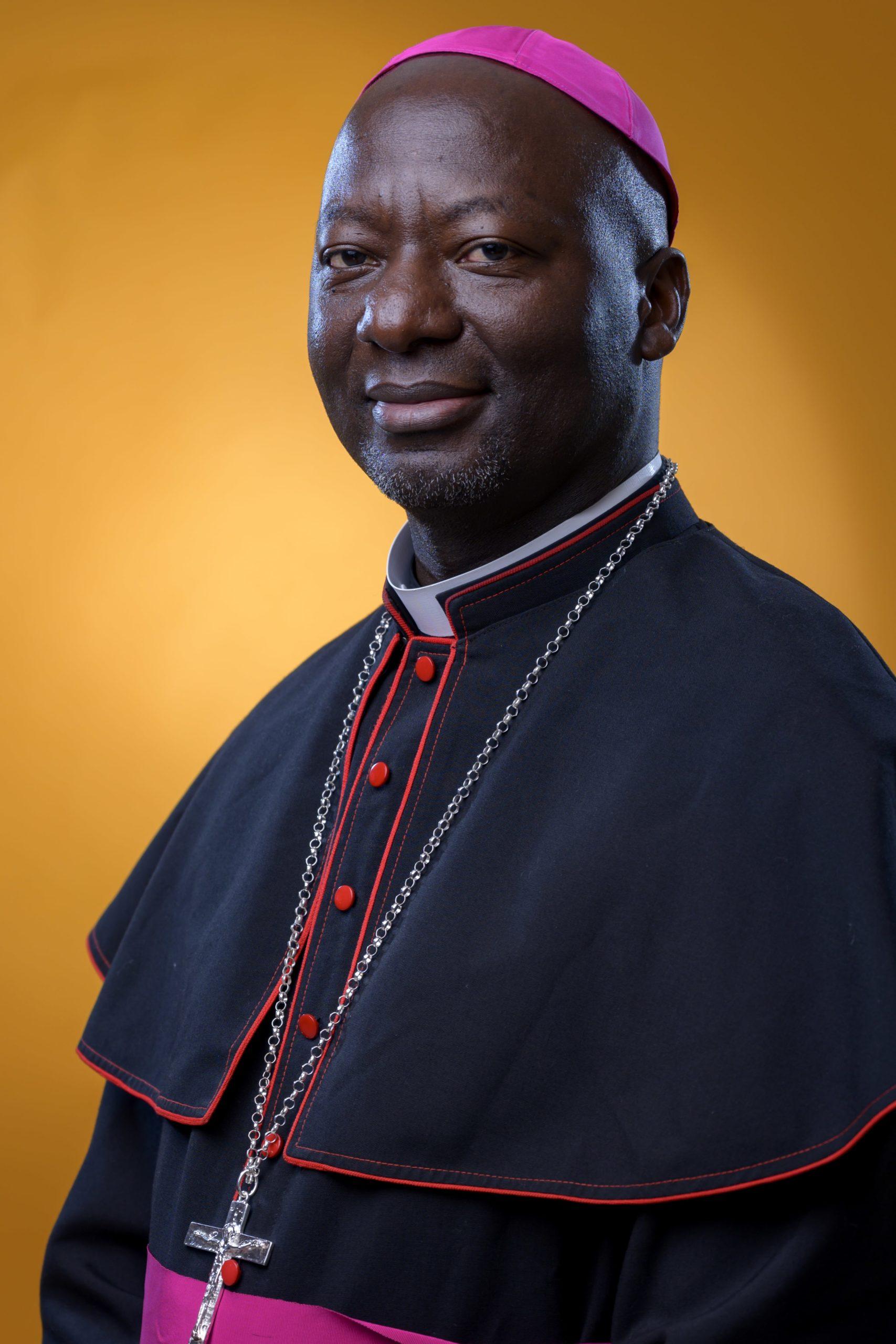
Bishop Kizito calls for multi-sector action to end human trafficking in Africa, stressing collaboration, youth empowerment, and inclusion.
Newsroom (29/05/2026 Gaudium Press ) The Catholic Church must deepen collaboration with governments, law enforcement, civil society, and the private sector to effectively confront human trafficking in Africa, according to Bishop Joseph Mary Kizito of the Southern African Catholic Bishops’ Conference (SACBC).
Speaking in the aftermath of the Pathways to Freedom Africa Network (PFAN) Summit held May 19–20 in Abuja, Nigeria, Bishop Kizito described human trafficking as “a wound to humanity” that cannot be healed by any single institution acting alone. The gathering brought together stakeholders from across Africa, Europe, and the United Kingdom to develop coordinated strategies against trafficking.
“The Church cannot work alone,” Bishop Kizito stressed. “We need the police, law enforcement agencies, border management authorities, civil society organizations and the business sector if we are serious about disrupting the networks of traffickers.”
A Coordinated Response to a Transnational Crisis
The summit, organized by the Justice Development and Peace Commission (JDPC) of the Catholic Archdiocese of Abuja in partnership with the GrowEdo Support Group UK, convened participants from Nigeria, South Africa, Ghana, Benin, Kenya, and representatives of the Catholic Bishops’ Conferences of England and Wales. Under the theme “Inclusive Strategies for Ending Human Trafficking: Reaching the Most Marginalized,” delegates examined the complexities of transnational trafficking networks and explored mechanisms to strengthen cross-border collaboration.
Participants emphasized that traffickers exploit gaps in governance, weak border management, and economic disparities, making coordinated regional action essential. A strategic action plan was adopted, with PFAN members committing to sustained cooperation through 2028, when progress will be reviewed in Kenya.
The Church’s Role: Active but Insufficient Alone
Bishop Kizito, who serves as the Bishop of the Catholic Diocese of Aliwal in South Africa, underscored the Catholic Church’s ongoing engagement in combating trafficking and assisting survivors. He highlighted the expanding role of Talitha Kum, the international network of Catholic Sisters working to end human trafficking, which has intensified efforts in public awareness, school outreach, counseling services, and prayer initiatives.
“The Church is not sleeping,” he said. “Religious Sisters, Priests and Lay people are working every day to protect vulnerable people and raise awareness.”
Yet, he maintained that these efforts, though significant, are not sufficient without broader societal cooperation.
Empowering Youth to Reduce Vulnerability
A central theme in Bishop Kizito’s address was the need to tackle the root causes of trafficking, particularly poverty, unemployment, and lack of opportunity among young people. He called on Church leaders to more effectively utilize existing resources, including parish halls and undeveloped land, to create opportunities for youth.
“We have church halls and buildings that remain closed for most of the week,” he noted. “Why not open these spaces for young people to learn skills, start projects and build hope for the future?”
The bishop also pointed to the potential for agricultural initiatives and community-based programs in dioceses with available land, especially in areas heavily affected by poverty and unemployment. These projects, he said, can provide sustainable alternatives that reduce susceptibility to traffickers.
Inclusive Strategies and Focus on Disability
A significant focus of the Abuja summit was ensuring that anti-trafficking efforts are inclusive, particularly for persons living with disabilities—an often overlooked group disproportionately targeted by traffickers.
Bishop Kizito highlighted that trafficking prevention must go beyond reactive measures and actively include vulnerable populations from the outset. The summit implemented practical steps toward inclusion, such as sign-language interpretation, accessible venues, and direct participation of persons with disabilities.
“We must not only respond after people have been harmed,” he said. “We must include vulnerable people from the beginning and work together to protect them.”
Economic Initiatives as Prevention
The summit also examined economic empowerment as a key tool in preventing trafficking. Bishop Kizito pointed to a pilot agricultural initiative in Nigeria inspired by the GrowEdo project, established in 2018 to support women survivors of trafficking in Edo State.
The initiative focuses on access to land, skills training, and building sustainable livelihoods. According to Bishop Kizito, such programs reduce vulnerability by creating stable income sources and fostering self-reliance.
“Once people have work and can support themselves, it becomes much more difficult for traffickers to exploit them,” he explained.
Similar initiatives are underway in South Africa, where Church organizations are supporting vulnerable young women through community gardens, agricultural projects, and vocational training programs.
Addressing the Drivers of Trafficking
Bishop Kizito also addressed broader socio-economic challenges, particularly in South Africa, where high youth unemployment contributes to vulnerability.
“The young people are disappointed,” he said. “There are no jobs, there are not enough opportunities, and many become frustrated and vulnerable.”
He warned against scapegoating migrants for systemic issues, arguing instead that trafficking thrives in environments marked by poverty, corruption, and weak border controls.
“South Africa has become fertile ground for traffickers because borders are overstretched and many people are desperate for employment and resources,” he said.
A Call for Collective Action
As the PFAN Summit concluded, participants reaffirmed their commitment to collaboration and long-term action. Bishop Kizito reiterated that only a unified approach can effectively combat human trafficking across the continent.
“We have to work together,” he said. “The Church, governments, civil society and business leaders must unite to protect human dignity and stop this modern slavery.”
The Abuja summit marks a significant step toward strengthening regional partnerships, with stakeholders pledging sustained cooperation to dismantle trafficking networks and safeguard vulnerable populations across Africa.
- Raju Hasmukh with files from ACI Africa
Related Images:


