






Pope reflects on Parable of the Sower, urging faith and openness to God’s Word while calling for peace, dialogue, and hope worldwide.
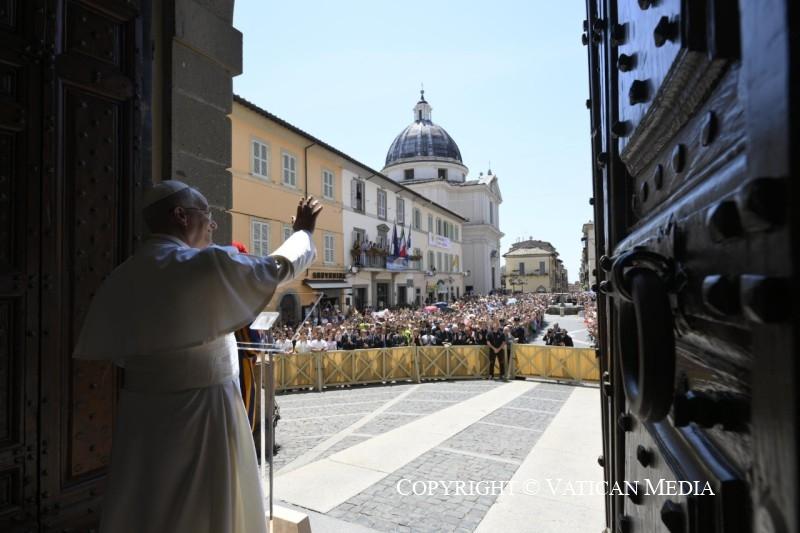
Newsroom (12/07/2026 Gaudium press ) In a Sunday address delivered to pilgrims gathered in Castel Gandolfo, the Pope offered a profound reflection on the Parable of the Sower, emphasizing the enduring generosity of God and the transformative power of His Word, even amid human weakness and global unrest.
Speaking on the Fifteenth Sunday in Ordinary Time, the Pope drew from the Gospel of Matthew (Mt 13:1–23), describing how God “sows his Word in our hearts” with both trust and abundance. He underscored that Jesus himself—“the Word made flesh”—is the seed continually planted by the Father throughout the world, bearing fruit through sacrifice and love.
The Pope acknowledged the varied conditions of the human heart, likening them to the soils in the parable: at times resistant, distracted, or choked by life’s burdens. Yet he stressed that moments of receptivity remain possible, and when they occur, they unleash what he called “miracles of love” capable of transforming lives.
Citing Saint John Chrysostom, the Pope highlighted that while sowing seeds on rocky or thorny ground might seem unreasonable in agriculture, in the realm of the soul it reveals God’s wisdom. In divine hands, even hardened or neglected hearts can be renewed. “Rocky ground may be transformed into fertile soil,” he noted, reinforcing the belief that no person is beyond change.
The address further emphasized that God’s generosity is neither naïve nor blind. Rather, it reflects a deep awareness of human potential—often unseen even by individuals themselves. The Pope affirmed that God continues to believe in humanity, inviting each person to grow through faith and openness.
From this interaction between divine grace and human receptivity, he said, arise the fruits of the Holy Spirit, as described by Saint Paul: “love, joy, peace, patience, kindness, goodness, faithfulness, gentleness, and self-control” (Gal 5:22). These virtues, he stressed, are urgently needed in a world marked by division and conflict.
Encouraging practical application, the Pope invited the faithful—especially during the summer period—to dedicate time to silence, prayer, and reflection on Scripture. Such practices, he said, foster renewal both spiritually and physically, preparing individuals to return to daily life with renewed purpose and a deeper commitment to the Gospel.
Following the Angelus prayer, the Pope turned his attention to global concerns, expressing alarm over escalating conflicts in the Middle East, Ukraine, and other regions. He warned of “winds of war” spreading violence and suffering, particularly among innocent populations.
Despite these challenges, he urged the international community not to lose hope. Dialogue, encounter, and diplomacy, he insisted, remain “the only path capable of leading to a just and lasting peace,” grounded in reconciliation and respect for human dignity.
Marking “Sea Sunday,” the Pope also paid tribute to sailors, fishermen, and port workers worldwide, recognizing their often-overlooked contributions and the hardships they endure, including separation from families and risks linked to maritime conflict.
He concluded by offering prayers for Polish pilgrims participating in the annual pilgrimage with the icon of Jasna Góra, encouraging them to continue as “missionary disciples” and joyful witnesses to the Gospel.
Entrusting his message to the intercession of Mary, Queen of the Apostles and Star of Evangelization, the Pope’s address wove together spiritual reflection and urgent global appeal—linking personal faith with collective responsibility in a troubled world.

- Raju Hasmukh with files from Vatican News
Related Images:


