






Discover the inspiring story of St. John Gualbert, who forgave his brother’s murderer and founded a monastic community in Italy.
Newsroom (14/07/2026 Gaudium Press ) St. John Gualbert, an abbot and founder, is one of the saints commemorated by the Church today.
He was born in Florence at the end of the 10th century.
One day, a man murdered his older brother, Hugh, and John considered it his duty to avenge him.
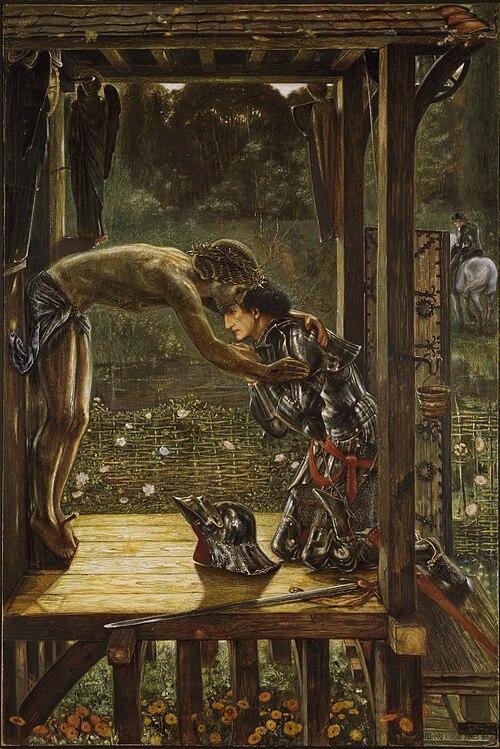
John set a trap for the killer and waited for him in a passage so narrow that neither of them could turn back. John drew his sword and advanced toward the murderer, who was unarmed. The man fell to his knees and crossed his arms over his chest, pleading for mercy. Just as John was about to carry out his revenge, a sudden inspiration struck him, and he remembered that Christ had prayed for His enemies on the Cross. He sheathed his sword, forgave the murderer, and departed in peace.
John continued on until he arrived at the Monastery of San Miniato. Entering the church, he knelt before a crucifix. The work of grace was not yet complete: at that moment, the image of Christ bowed His head toward John as a sign that his act of forgiveness was pleasing and that his desire for vengeance had been forgiven.
Grace continued to work in his soul, and he asked the abbot to admit him to religious life. The abbot, fearing the anger of John’s father, hesitated. However, the young man spontaneously cut his hair, dressed himself in a monk’s habit, and began a new life. Eventually, he was accepted into the monastery.
Leaving the Monastery to Found Another
One day, the holy abbot of San Miniato died, and John set out to find a more secluded place, as the election of the new superior had been scandalous. He chose a beautiful valley near Fiesole called Vallis Umbrosa (“Shady Valley”), where he and his companions built a small monastery of wood and adobe. There they founded a community that followed the Rule of St. Benedict with great austerity. It was likely the first monastery to include lay brothers.
St. John Gualbert did not even wish to receive minor orders. He wanted the spirit of poverty to be central to his monastery and devoted particular attention to helping the poor and needy.
God granted him the gifts of prophecy and miracles, and he was said to have restored the health of several sick people through miraculous means. Pope Leo IX visited Passignano to see him, while Pope Stephen X held him in high regard. Pope Alexander II stated that St. John Gualbert had effectively eradicated simony—the buying and selling of religious privileges—in the region where he lived. Although he and his monks led a secluded life, they actively fought against this corruption.
He died on July 12, 1073. Pope Celestine III canonized him in 1193.
The post “St. John Gualbert Did Not Kill, Did Not Take Revenge, Until One Day Christ Bowed His Head Toward Him” first appeared on Gaudium Press Español.
Related Images:


