






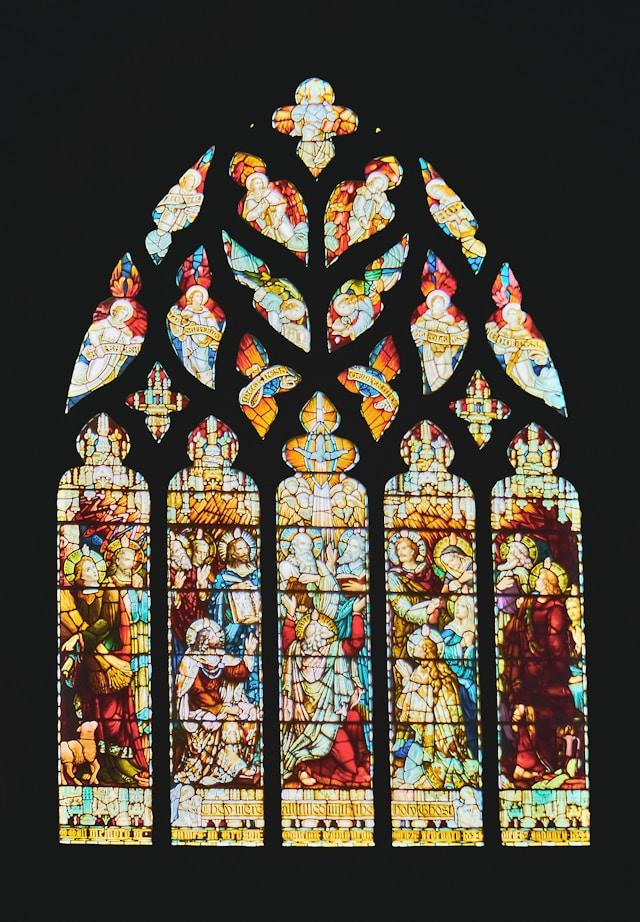
Pope Leo XIV reflects on Pentecost, highlighting the Holy Spirit’s role in bringing peace, mission, and truth to transform history and humanity.
Newsroom (25/05/2026 Gaudium Press ) At the Solemnity of Pentecost, Pope Leo XIV delivered a profound reflection on the enduring work of the Holy Spirit, emphasizing its transformative power in history and in the life of every believer. Speaking to the faithful, he described the Paraclete as the divine force that “enlightens minds and instills new vitality in our hearts,” ultimately “transfiguring history” and opening it to the universal gift of salvation.
Marking the culmination of the Easter season, the Pope grounded his meditation in the Gospel account of the risen Christ appearing to the disciples on “the first day of the week.” In that encounter, Jesus reveals his glorified body, still bearing the wounds of the crucifixion—signs that, in the Pope’s words, have been “transfigured.” From these wounds emerges not only proof of resurrection but the source of renewed life for a fearful and secluded community.
The Apostles, gathered behind closed doors, are transformed by Christ’s presence. From a state of fear, they are filled with joy as Jesus greets them with “Peace be with you” and breathes upon them the Holy Spirit. Pope Leo XIV described this moment as one in which Christ “passes through our death,” opening what once seemed sealed and hopeless. The Upper Room, once marked by betrayal and fear, becomes the birthplace of the Church’s resurrection, a sign that Pentecost is inseparably linked to the Paschal mystery.
The Spirit of Peace
Central to the Pope’s reflection was the idea of the Holy Spirit as the “Spirit of peace.” He underscored that this peace is rooted in forgiveness—first given by Christ and then entrusted to humanity. By granting the Apostles the authority to forgive sins, Jesus invites them into a divine mission of reconciliation.
“For only God can forgive sins,” the Pope noted, yet this authority is shared as a sign of universal reconciliation. This peace is not abstract but active, extending throughout history and embracing all people without exclusion. The Holy Spirit, present since the dawn of creation, now renews the world, inscribing God’s law not on stone tablets but in human hearts “with letters of love.”
This law, he explained, is the twofold commandment of love—toward God and neighbor—which becomes the guiding principle for a world longing for peace. The Spirit, already given and continually present, is described as the “sweet guest of the soul,” inviting believers into a relationship marked by openness and prayer.
The Spirit of Mission
A second key theme was the Spirit as the driving force of mission. Echoing Christ’s words—“As the Father has sent me, so I send you”—Pope Leo XIV stressed that every believer is drawn into the mission of proclaiming the Gospel.
The Holy Spirit, he said, is “the living charity of Christ” that fills and sustains this mission. On Pentecost, the Apostles begin proclaiming “the mighty works of God,” centered on the redemption brought by Christ’s death and resurrection. This proclamation is rooted in faith, the first work of the Spirit, expressed in the simple yet profound declaration: “Jesus is Lord.”
The Pope emphasized that the Church is not merely a custodian of the Gospel but its active protagonist. Through the Spirit, believers become “light and salt of the earth,” not by their own merit but through the transformative power of God’s word. In a world often marked by division, error, and violence, the Spirit brings renewal, shaping individuals and communities into witnesses of hope and mercy.
The Spirit of Truth and Unity
Finally, Pope Leo XIV highlighted the Spirit as the “Spirit of truth,” essential for the unity of the Church and the integrity of its mission. This truth, he explained, is not imposed but liberates, transforming cultures from within and fostering authentic communion among peoples.
Drawing on the teaching of Saint Augustine, the Pope described unity in understanding as a hallmark of the Spirit’s presence. The gift of tongues at Pentecost symbolizes a diversity that remains united in one faith. The Spirit protects against forces that distort this unity, including division, hypocrisy, and fleeting trends that obscure the Gospel.
Through the sacraments—Baptism, Confirmation, and Holy Orders—the Spirit continues to shape the Church, imparting gifts and charisms for the “common good.” Each believer, therefore, becomes part of a living body that serves the world, bearing the peace and truth of Christ.
A Prayer for the World
Concluding his homily, Pope Leo XIV turned to prayer, urging the faithful to seek the Spirit’s intervention in addressing the world’s deepest wounds. He called for liberation from war, which he said cannot be overcome by power but “by the omnipotence of love.” He also prayed for relief from misery and sin, pointing to salvation in Christ as the ultimate source of healing.
Invoking the intercession of Mary, Mother of the Church, the Pope asked that the same courage given to the Apostles be granted to believers today. His message was clear: the Holy Spirit is not a distant force but an active presence, continually renewing humanity and guiding it toward salvation.
In this vision of Pentecost, Pope Leo XIV presented not only a theological reflection but a call to action—inviting the global Church to embody peace, embrace mission, and live in the truth that transforms history itself.

- Raju Hasmukh with files from Vatican News
Related Images:


