






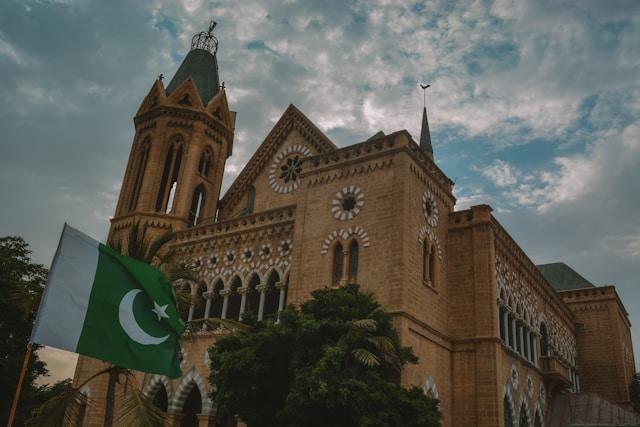
Christian leaders in Pakistan demand stronger minority protections and representation in proposed 28th constitutional reforms amid national debate.
Newsroom (27/05/2026 Gaudium Press ) Christian leaders in Pakistan, alongside other minority representatives, have intensified calls for meaningful constitutional reform as the federal government deliberates over the proposed 28th Constitutional Amendment. The draft legislation, which seeks to reshape aspects of the country’s federal structure, has triggered widespread political debate across the Muslim-majority nation.
At the center of the concerns raised by minority groups is the need for stronger protections, equitable political representation, and enforceable safeguards for vulnerable populations, particularly women and children.
Speaking at a press conference held at the National Press Club in Islamabad on May 21, the Minorities Alliance Pakistan (MAP) outlined what it described as urgent priorities for reform. The alliance, composed of Christian and other religious minority leaders, emphasized that symbolic gestures are no longer sufficient.
“The time for symbolic gestures is over. What is needed now are structural reforms that guarantee equality before the law and equal opportunity for all citizens,” said Akmal Bhatti, lawyer and chairperson of MAP.
The press conference included prominent Christian representatives such as Samson Salamat, chairman of the Rawadari Tehreek (Movement for Pluralism), Tahir Naveed Chaudhry, chairman of the Pakistan Minorities Alliance and a former Punjab provincial lawmaker, and Robin Daniel Bhatti, president of the Minorities Rights Movement.
A central concern raised by MAP is the protection of minors from forced religious conversion and child marriage—issues that have long drawn criticism from human rights advocates. The alliance has proposed a strict legal prohibition on the religious conversion of individuals under the age of 18 unless it is conducted with “free, informed consent recorded and verified strictly before a judicial magistrate.”
This measure, MAP argues, would help prevent coercion and abuse while ensuring that any conversion process adheres to transparent legal standards.
Beyond child protection, the alliance challenged what it described as systemic inequities embedded within Pakistan’s constitutional framework. While the country identifies as a pluralistic democracy, MAP representatives contend that structural discrimination continues to persist.
Pakistan’s status as an Islamic republic currently restricts the highest offices of state—president and prime minister—to Muslim citizens. MAP strongly criticized these provisions, arguing that they exclude non-Muslims from full civic participation and undermine democratic inclusivity.
To address these concerns, the alliance proposed amendments aimed at expanding political representation. Among its key recommendations is the introduction of direct elections for seats reserved for non-Muslims and women in both national and provincial legislatures.
Currently, such reserved seats are allocated through a proportional representation system, in which political party leaders nominate candidates rather than voters elect them directly. MAP has called for the abolition of this system, asserting that it weakens accountability and distances representatives from the communities they serve.
Replacing it with a direct election model, the alliance argues, would restore “genuine democratic accountability to voter choice” and give marginalized groups a stronger voice in governance.
In addition to political representation, MAP has demanded institutional measures to improve social inclusion. These include permanently securing a minimum five percent quota for religious minorities in public sector employment and educational institutions at both federal and provincial levels.
Alliance representatives stressed that their proposals do not require additional state expenditure or administrative expansion. Instead, they maintain that the suggested reforms align with protections already enshrined in Pakistan’s Constitution, including guarantees of religious freedom, family protection, and equality before the law.
The alliance is also urging the Parliamentary Committee on Constitutional Reforms to adopt a more inclusive process before finalizing the amendment. Specifically, MAP has called for broad-based consultations involving minority leaders, legal experts, and civil society stakeholders.
As deliberations over the 28th Constitutional Amendment continue, the demands put forward by Pakistan’s minority groups underscore a broader struggle over the meaning of citizenship, representation, and equality in the country.
With political negotiations ongoing, the extent to which these concerns will be reflected in the final legislative framework remains uncertain. However, the growing assertiveness of minority voices suggests that the debate over constitutional reform is not only about governance structures but also about redefining the principles of inclusivity and justice in Pakistan’s democratic system.
- Raju Hasmukh with files from UCA News
Related Images:


