






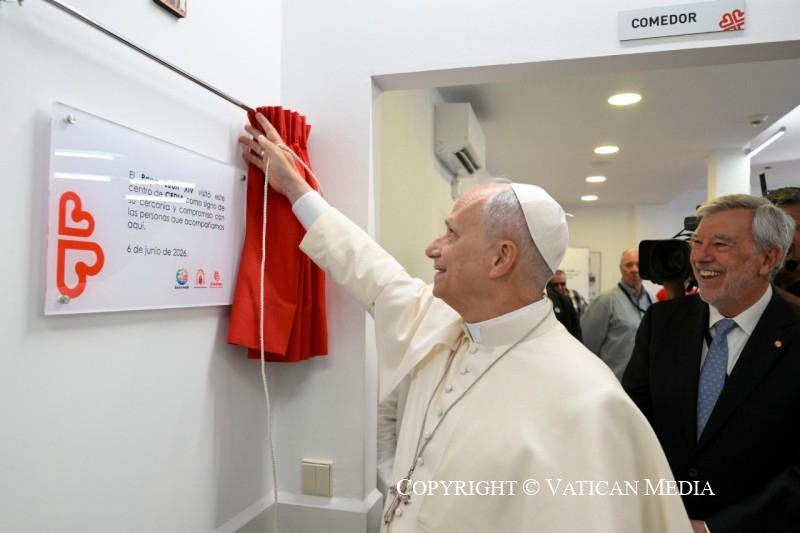
A papal visit to Madrid’s CEDIA project highlights compassion, solidarity, and faith through testimonies of hope, dignity, and service.
Newsroom (08/06/2026 Gaudium Press ) In Madrid, a powerful message of compassion and shared humanity unfolded during a visit to the “CEDIA 24 Horas Social Project.” Framed not as a formal appearance but as a homecoming, the address emphasized belonging, declaring that “anyone who is in Madrid is from Madrid.” That sentiment set the tone for a gathering centered on inclusion, where every individual was welcomed into what was described as “a large and wonderful family.”
Within this “home,” the speaker highlighted a defining principle: no one is left alone. Joys and sorrows are shared collectively, reflecting a model of social care rooted in empathy, dialogue, and mutual responsibility. The project’s work was presented not merely as social assistance, but as a lived expression of charity and justice grounded in human dignity.
The Gospel in Action
The CEDIA initiative was portrayed as a direct continuation of Gospel values—particularly the example of Jesus, who embraced human suffering and identified with those in need. This perspective places the project’s mission within a broader spiritual framework: caring for the vulnerable is not optional but essential.
Quoting the biblical teaching, “whatever you did for one of the least… you did for me,” the address underscored the idea that service to others is inseparable from faith. This principle is reflected daily in CEDIA’s work, where individual stories become testimonies of renewal and hope.
Stories of Transformation
Central to the event were the testimonies of individuals whose lives have been transformed through the project’s support. Each story was described as beginning with “a dream and a small open door”—a metaphor for opportunity guided by compassion.
Niurka’s story speaks of motherhood and new beginnings, as she gave life to her children and secured a path toward a hopeful future. Khadri’s journey reflects resilience, overcoming the isolation and uncertainty of the pandemic to rebuild his life and rediscover purpose. Meanwhile, the efforts of Alicia and other volunteers in the Hope Project demonstrate how consistent support can restore dignity and independence to women starting anew.
These stories, while deeply personal, collectively illustrate a broader reality: countless individuals benefit from acts of care that often go unseen. The address compared these experiences to the ongoing work of the Gospel, suggesting that such acts of mercy continue to shape the world in profound ways.
Symbols of Humanity and Respect
The visit also featured symbolic gestures that conveyed deeper messages. A ribbon bearing children’s names celebrated the intrinsic joy of life. A residence permit stood as a testament to perseverance, integrity, and welcome. Sandals, recalling a biblical encounter on “holy ground,” evoked the sacredness inherent in every human being.
These symbols reinforced a central theme: every life carries dignity that demands recognition and respect.
Urgency of Compassion
At the heart of the message was a call to action encapsulated in the phrase “Look around you.” This invitation urges attentiveness to immediate needs and emphasizes that charity cannot be delayed. The imagery of ripe fields ready for harvest served as a reminder that opportunities to act—moments of grace—are fleeting and must be seized.
The address warned against indifference and complacency, describing the danger of a “cold heart” that becomes detached from the suffering of others. In contrast, a “living heart” is responsive, compassionate, and active, sustaining both individual and communal life.
Beyond Philanthropy: Encounter and Relationship
The message made a clear distinction between mere philanthropy and authentic charity. True service involves more than giving material aid; it requires personal encounter—listening, understanding, and walking alongside those in need.
This approach transforms acts of giving into relationships of mutual recognition, where both giver and receiver are changed. The emphasis on looking others in the eye and acknowledging their humanity reflects a deeper commitment to restoring dignity, not just alleviating hardship.
Hope Anchored in Faith
The visit concluded with a reflection on hope, illustrated through the symbolism of the Crucifixion—not as an emblem of death, but as a sign of resurrection and new life. Volunteers and organizations present were thanked for embodying this hope through their sacrifices and commitment.
Their work, described as a “living Gospel,” offers a visible and tangible response to a world often marked by indifference. By embracing service, they contribute to a broader vision of society rooted in compassion, solidarity, and shared purpose.
A Continuing Mission
Ultimately, the visit to the CEDIA Social Project offered a portrait of faith translated into action. It highlighted how small acts, when guided by love, can lead to profound transformation—both for individuals and communities.
The message was clear: the call to “look around” is not confined to one place or moment. It is an ongoing invitation to recognize humanity in others, respond with urgency, and build a world where no one is left alone.

- Raju Hasmukh with files from Vatican News
Related Images:


