






Goa celebrates São João with vibrant rituals, river parades and monsoon traditions, blending faith, folklore and community spirit.
Newsroom (25/06/2026 Gaudium Press ) On 24 June, Catholic communities across the coastal Indian state of Goa marked São João, the traditional feast of St John the Baptist, in a vibrant expression of religious devotion interwoven with local culture. Celebrated annually during the monsoon season, the festival remains one of Goa’s most cherished events, bringing together faith, folklore, and a strong sense of community identity.
Despite heavy rainfall—a defining feature of the season—thousands participated enthusiastically in the festivities. Central to the celebration is a symbolic ritual of jumping into wells, ponds, and streams. This act recalls the biblical narrative of St John the Baptist, who, according to Christian tradition, leapt for joy in his mother Elizabeth’s womb upon the visitation of the Virgin Mary. In Campal, near the state capital Panaji, crowds of all ages gathered around a decorated well to recreate this centuries-old custom, reinforcing a shared spiritual heritage.
Colorful Traditions and Cultural Expression
From the early hours of the morning, Goa’s villages and streets were transformed into vivid displays of color. Participants donned traditional kopels—handcrafted wreaths made from wild flowers, leaves, and seasonal fruits associated with the monsoon. These natural adornments, worn on the head, symbolize renewal and the abundance brought by the rains, blending ecological awareness with festive expression.
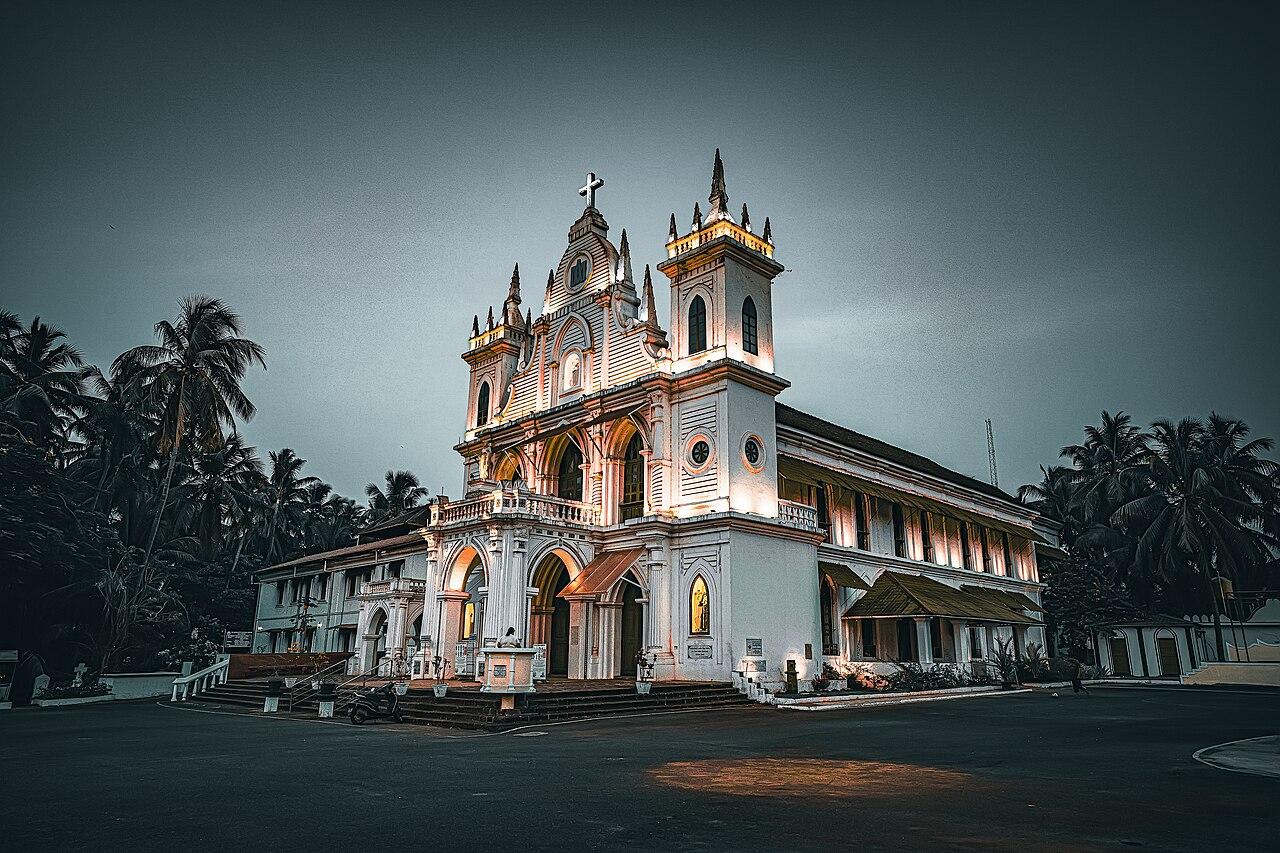
In Siolim, a village in northern Goa, one of the most anticipated highlights unfolded along the River Anjuna. A spectacular river parade featured elaborately decorated rafts and boats drifting downstream in celebration. Musicians aboard the vessels performed mandos—traditional Konkani songs—accompanied by indigenous instruments such as the ghumot and the kansallem. The rhythmic melodies and vibrant visuals drew large crowds, culminating in a grand procession in front of St Anthony’s Church, where residents and visitors gathered in celebration.
Family Traditions and Social Bonds
Beyond public spectacle, São João carries deep familial significance. A longstanding custom involves the exchange of an oze, a ceremonial basket presented by the families of newlyweds to the groom’s relatives. Brimming with seasonal produce such as jackfruit, pineapple, and mango, along with traditional Goan sweets, the offering symbolizes prosperity, goodwill, and the strengthening of familial bonds.
This aspect of the festival reflects its enduring role as both a spiritual observance and a social institution, reinforcing ties between extended families and communities.
Messages of Renewal and Responsibility
Religious leaders used the occasion to emphasize key spiritual and social values. Drawing on the symbolism of baptismal water, they highlighted themes of renewal, purification, and moral responsibility. In particular, calls for environmental protection resonated strongly, given the festival’s close association with natural elements such as water, vegetation, and seasonal cycles.
Church leaders also underscored the importance of community solidarity, encouraging participants to see the celebration not merely as a cultural event, but as a reaffirmation of shared values and collective identity.
Preserving Tradition Amid Change
Among those present was Bernard Lewis, who traveled from Mumbai with a group of friends to take part in the festivities. For him, São João represents more than a public celebration—it is an expression of faith rooted in tradition.
“Our celebrations begin with prayer, and even on the boat we carry a wreath of flowers to place on the cross in the river,” he said. “This has always been our traditional festival.”
Lewis also pointed to evolving dynamics surrounding the event. In recent years, the state government has promoted São João as a tourist attraction, drawing wider attention to its unique cultural appeal. However, some participants remain committed to preserving its religious essence.
“We are committed to preserving its religious character and bearing witness to our faith both on land and on water,” he added, noting concerns about broader political and cultural influences shaping public life.
A Living Tradition
As Goa’s São João festival continues to evolve, it remains a vivid testament to the region’s ability to blend faith, culture, and community into a living tradition. Whether through the splash of water in a village well, the melodies drifting across a river, or the exchange of gifts between families, the celebration encapsulates a shared heritage that endures despite changing times.
- Raju Hasmukh with files from Asianews.it
Related Images:


