






A major rally in New Delhi sparks controversy over plans to revoke Scheduled Tribe status from tribal people who convert to Christianity or Islam.
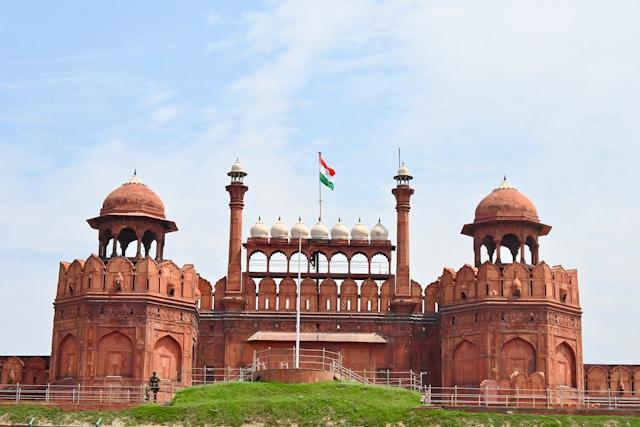
Newsroom (27/05/2026 Gaudium Press) A recent rally held at the Red Fort in New Delhi has reignited a deeply contentious debate over the status of tribal communities in India, particularly concerning those who convert to Christianity or Islam. The event, titled “Janjati Sanskritik Samagam” and organised on May 24, brought together thousands of representatives from more than 500 tribal communities, highlighting growing demands to exclude religious converts from benefits reserved for Scheduled Tribes (STs).
At the centre of the controversy lies a proposal known as the “delisting” initiative. Advocates are calling for an amendment to Article 342 of the Indian Constitution that would automatically revoke ST status from individuals who abandon traditional tribal faiths in favour of Islam or Christianity. Proponents argue that such a move is necessary to preserve indigenous heritage and prevent what they describe as “double benefits,” whereby converted individuals continue to access tribal quotas in employment, education, and welfare, while also benefitting from schemes for religious minorities.
Supporters further contend that the constitutional safeguards granted to Scheduled Tribes were designed to protect distinct cultural identities rooted in traditional belief systems, languages, and customs. In their view, conversion to other religions represents a departure from this cultural framework and undermines the purpose of these protections. They argue that such benefits should be reserved strictly for those who maintain ancestral practices and traditions.
The rally drew significant political attention, with Home Minister Amit Shah attending as chief guest. During his address, he signalled the government’s intention to explore reforms to the Civil Code that could exclude converted tribal individuals from ST benefits. Organisers—including the Janjati Suraksha Manch (JSM) and the Vanvasi Kalyan Ashram, an organisation affiliated with the Rashtriya Swayamsevak Sangh (RSS)—framed the demand as part of a long-standing movement dating back to the late 1960s, when tribal leader Kartik Oraon advocated similar measures during Indira Gandhi’s tenure.
Notably, the rally coincided with the nationwide commemoration of the 150th anniversary of Birsa Munda, a revered tribal freedom fighter. Organisers used the occasion to underline what they describe as a broader struggle to protect tribal identity and heritage.
However, the proposal has been met with strong opposition from Christian leaders, tribal organisations, and civil society groups. The United Christian Forum (UCF), along with regional church federations and tribal councils from India’s North-East, has condemned both the rally and the “delisting” initiative, describing them as “unconstitutional, divisive and a threat” to the fundamental right to freedom of worship.
Critics argue that the proposed amendment selectively targets converts to Christianity and Islam while leaving out those who adopt Hinduism, raising concerns about discriminatory intent. Catholic representatives have pointed out that the demand for delisting does not extend to tribal individuals who convert to Hinduism, fuelling suspicions that the measure is aimed disproportionately at minority religions.
Fr Nicholas Barla, secretary of the Office for Tribal Affairs of the Catholic Bishops’ Conference of India (CBCI), highlighted this perceived inconsistency by referencing the long cultural history of the Munda tribe in Jharkhand. He noted that their unique spiritual traditions and linguistic heritage have endured for thousands of years, independent of formal religious classifications.
“If the argument is that conversion erases tribal identity, then why is Hinduism excluded from the same standard?” he questioned. Fr Barla argued that any policy based on removing benefits should apply uniformly—or not at all—and warned against selectively targeting certain religious groups.
Opponents of the proposal also challenge its constitutional basis. They note that Scheduled Tribe status differs fundamentally from Scheduled Caste designation. While the latter has historically included religious criteria, ST status is determined by factors such as geographical isolation, socio-economic backwardness, and distinct cultural practices—not religious affiliation. As such, they argue that changing one’s faith does not negate ethnic identity or tribal origin.
Leaders from states like Jharkhand and Chhattisgarh have emphasised that stripping individuals of their ST status based on religion would violate India’s secular framework and the constitutional guarantee of freedom of conscience. Christian NGOs and tribal rights organisations assert that the move risks marginalising already vulnerable communities and undermining social cohesion.
Political opposition has also been vocal. Congress leaders have dismissed the campaign as a “political stunt” designed to fracture tribal unity and consolidate support along religious lines rather than address genuine socio-economic challenges faced by indigenous populations.
In response to the escalating tensions, Fr Barla and other leaders have called for a more measured and scholarly approach to the issue. They propose the establishment of an independent working group composed of tribal experts, historians, and anthropologists to conduct a comprehensive study, free from political or sectarian influence.
As the debate intensifies, the question of how India balances cultural preservation with constitutional rights remains unresolved. The outcome of this controversy could have far-reaching implications not only for tribal communities but also for the broader principles of secularism and equality enshrined in the nation’s legal framework.
- Raju Hasmukh with files from Asianews.it
Related Images:


