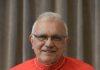











Cardinal Daniel Sturla, testified before a Sept. 30 hearing of the Uruguay Senate’s health committee, where a euthanasia bill is being debated
Newsroom (02/10/2025, Gaudium Press ) Cardinal Daniel Sturla, the Archbishop of Montevideo, delivered a resolute defense of human life during a September 30 hearing before the Uruguay Senate’s health committee, where a controversial euthanasia bill is under consideration. The bill, proposed by the Frente Amplio (Broad Front) party and already approved by the Chamber of Deputies, would permit adults over 18 with chronic, incurable conditions causing “unbearable suffering” to request assisted suicide. If passed, Uruguay would join Colombia and Ecuador as the third Latin American nation to legalize euthanasia.
The Catholic Church, a prominent voice in the debate, has consistently opposed the measure. Speaking to reporters after the hearing, Cardinal Sturla reiterated the Church’s stance, stating, “The Church’s position is well known, which is in defense of life and is against the euthanasia bill,” according to Noticias 5. He framed Uruguay’s core challenge as a “spiritual problem,” rooted in a societal “devaluation of human life.” The bill, he argued, risks perpetuating the notion that “some lives are disposable,” a perspective he described as “fundamentally bad.”
A Contentious Bill
The proposed legislation would allow individuals suffering from irreversible conditions that severely impair their quality of life to seek assisted suicide. Proponents argue it offers dignity and autonomy to those enduring extreme suffering. Critics, including Sturla, warn of a “slippery slope” that could undermine the sanctity of life and open unforeseen ethical dilemmas.
During the hearing, Sturla emphasized that the bill’s title, “Death with Dignity,” is misleading and potentially harmful. “I radically disagree with calling the euthanasia law ‘death with dignity,’ because it confuses people,” he said. “How do we classify other deaths?” The cardinal expressed respect for those facing “painful, dramatic situations” but cautioned that the bill’s scope extends far beyond the extreme cases often cited in its defense.
The Church’s Alternative: Palliative Care
Instead of euthanasia, Sturla advocated for enhanced palliative care, emphasizing compassion and support for those with terminal illnesses. He highlighted St. Joseph’s Hospice, a Catholic Church initiative founded two years ago, as a model of care. The hospice provides a nurturing environment for patients in their final days, offering medical attention, emotional support, and palliative treatment. “They spend their final days, weeks, or months in peace, giving thanks for the care they receive,” Sturla noted.
The archbishop acknowledged that the Church’s views may not align with all legislation, citing past laws it has opposed. However, he praised the health committee for its respectful reception of the Church’s position, noting that his presence as archbishop underscored the institution’s commitment to the issue.
A Broader Debate
As Uruguay’s Senate weighs the bill, the debate reflects broader tensions between individual autonomy and ethical concerns about the value of life. Passage of the legislation would mark a significant shift in Uruguay’s legal and cultural landscape, aligning it with a small but growing number of nations permitting euthanasia. For now, Cardinal Sturla and the Catholic Church remain steadfast in their call for policies that prioritize care and compassion over what they see as a dangerous precedent.
- Raju Hasmukh with files form CNA news
Related Images: