






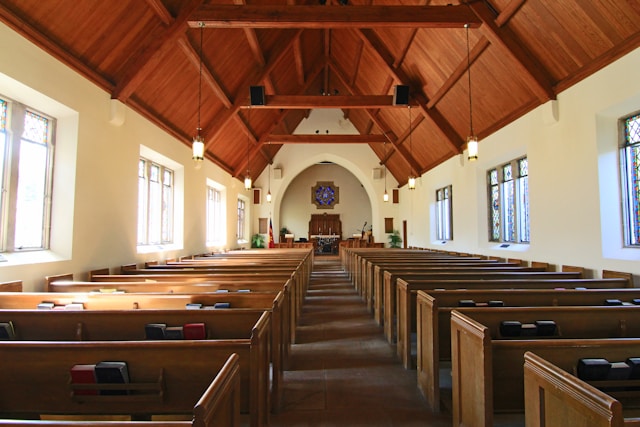
Catholic churches have a rich history of making meaningful contributions to their communities. Today, they have a chance to further their mission through a new financial approach: biblically informed investing.
Churches in Canada have been in decline for some time, owing to factors like changing societal values, reduced attendance, and financial strain. This has led to a rise in faith-based investment, as churches seek new ways to resuscitate their finances.
Unlike other organizations that have relied on public investment for decades, the primary source of funding for churches has always been congregational donations and tithes.
However, when financial pressures mount and traditional giving falls short, new solutions become necessary. Public investments in the form of stocks and faith-aligned funds can be a lifeline for these struggling parishes.
In this segment, we will shed light on how Catholic churches can embrace strategic investing while staying true to their core values and mission.
Why Are Canadian Catholic Churches Opting to Invest in Stocks?
The decision to invest in stocks isn’t one that churches take lightly. These institutions have traditionally relied on the generosity of their congregations. However, the financial realities facing parishes today have pushed them to explore new revenue streams that can sustain their operations.
Several factors are driving this transition:
- Rising inflation: Canada’s inflation rate rose to 2.4% in September 2025, dropped to 2% in October, and then jumped to 2.2% in November. This economic instability challenges churches to maintain financial balance, making investments crucial to protect their assets.
- Declining donations: With lower attendance and fewer tithing contributions, many churches are now facing reduced financial aid. Hence, churches are looking for alternative ways to fund their operations and community outreach.
- Geopolitical uncertainties: Global political and economic tensions, such as trade disruptions and changing regulations, have created financial uncertainty. In response, churches are seeking investments that offer more stability and growth potential in unpredictable times.
- Aging infrastructure: Many Catholic churches in Canada were built decades or even centuries ago. These beautiful buildings require constant upkeep, and major repairs can cost hundreds of thousands of dollars.
- Threat to charitable status: A recent report warns that revoking churches’ charitable status in Canada could have a devastating impact on the faith sector. It threatens the financial stability of many religious organizations that were reliant on tax exemptions.
- Economic pressures on families: With housing costs soaring and inflation affecting everyday expenses, families have less discretionary income to contribute. Even faithful parishioners are giving less than they once could.
Considerations for Faith-Based Investments
When considering faith-based investments, Catholic churches must balance growth with alignment with their values. It’s essential to look at both ethical opportunities and financial potential to ensure sustainability.
Types of Stocks to Consider for Faith-Based Investing
Faith-aligned investments typically focus on companies with strong ethical practices, e.g., renewable energy, healthcare, and sustainable agriculture.
These funds specifically exclude companies involved in activities that contradict Catholic teachings, such as abortion services, gambling operations, or weapons manufacturing.
However, it’s also important to explore other sectors that may align with the church’s mission, such as transportation (e.g., rail and aviation stocks).
For instance, Canadian railway stocks like CP (Canadian Pacific) and CNR (Canadian National Railway) offer a great investment opportunity. CP, known for its strategic acquisitions, has positioned itself well in the market. CNR, despite being the underperformer, is working on cost-reduction initiatives and operational improvements.
When deciding between CP vs CNR, make sure to consider the strategies of these two players. CP is aggressively expanding, while CNR is focused on operational efficiency. It’s important to watch CNR’s progress as it aims to tighten its operations in the coming months.
In terms of seasonality, both railways typically experience slower periods from November through February, followed by stronger gains extending into August, reports ValueTrend.
Risk Tolerance and Time Horizons
Churches need to assess how much risk they can comfortably handle before committing funds to the market. As opposed to individual investors who might chase aggressive growth, parishes must prioritize stability and consistent returns.
Consider your church’s immediate financial needs versus long-term goals. If you need funds within the next few years for urgent repairs or programs, conservative investments make more sense.
Longer time horizons allow for more growth-oriented strategies. Work with financial advisors who understand the unique position of religious organizations. They can help structure portfolios that balance income generation with capital preservation, ensuring your church maintains financial flexibility when unexpected expenses arise.
Incorporating Environmental, Social, and Governance Standards
Environmental, Social, and Governance (ESG) criteria offer churches another framework for responsible investing beyond traditional faith-based screens. ESG investing evaluates companies based on their environmental impact, treatment of employees and communities, and corporate governance practices.
These standards align naturally with Catholic social teaching, which emphasizes stewardship of creation and the dignity of workers. Companies with strong ESG ratings often demonstrate better long-term stability and risk management.
When selecting investments, look for funds that combine faith-based screening with robust ESG analysis. This dual approach ensures your portfolio reflects both doctrinal values and practical sustainability principles, creating investments that honour Catholic teachings.
Balancing Returns With Liquidity Needs
All churches face ongoing operational expenses that require regular cash flow. Your investment strategy must account for this reality. Don’t tie up all available funds in stocks that might be difficult to sell quickly.
Maintain adequate liquid reserves for payroll, utilities, and maintenance while investing surplus funds for growth. You can consider dividend-paying stocks that provide regular income streams alongside potential capital appreciation.
This way, institutions can have a steady flow of returns that can supplement congregational giving. Review your liquidity needs quarterly and adjust your investment mix accordingly. The idea here is to generate meaningful returns without compromising your ability to meet immediate financial obligations or respond to community needs.
Building Financial Foundations for Future Generations
Catholic churches are finding new ways to keep their doors open and their communities alive. Strategic investments are giving parishes a real chance here to maintain their buildings and fund the programs that people depend on, creating a more stable financial foundation alongside traditional donations.
When churches put their money to work through faith-aligned portfolios, they are simply adapting to ensure that the next generation inherits more than empty buildings and fading memories. The choice to invest is ultimately a choice to believe that these sacred spaces still have an instrumental role to play in Canadian life.
Sponsored content by Danielle Fergusson
Related Images:


