










Spanish priest Francisco José Delgado acquitted of inciting hatred, interference in SCV probe, and defamation; archdiocese restores his reputation.
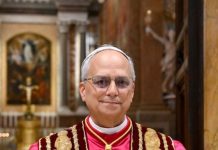
Newsroom (07/11/2025, Gaudium Press ) Spanish priest Father Francisco José Delgado, a priest in the Archdiocese of Toledo and coordinator of the YouTube discussion group “The Sacristy of the Vendée,” has been fully exonerated in a canonical penal investigation that accused him of inciting hatred against the Holy See, interfering in a Vatican inquiry into the Sodality of Christian Life (SCV), and damaging the reputation of layman José Enrique Escardó, a key figure in proceedings against the SCV.
The ecclesiastical tribunal’s ruling, dated July 28, 2024, and announced by Delgado on X on November 5, 2024, concluded that none of the alleged offenses were committed. The investigation, initiated in June 2024 by Archbishop Francisco Cerro, stemmed from two complaints filed earlier that year.
The first complaint, dated January 30, 2024, accused Delgado of slandering Escardó, described as an “alleged victim” of the SCV. Two days later, on February 1, 2024, the Dicastery for the Doctrine of the Faith notified the Archdiocese of Toledo of its concerns, alleging Delgado’s interference in the Vatican’s “special mission” to the SCV.
In response, Cerro imposed precautionary measures on Delgado prior to the formal probe, barring him from social media presence, posts, or any written publications for dissemination. These steps followed controversy over a remark in “The Sacristy of the Vendée” — a group named after the French region where priests resisted the anti-Catholic revolutionary government in 1789 and self-described as “counterrevolutionary.”
During one discussion, participant Father Gabriel Calvo Zarraute suggested praying for Pope Francis “so that he may go to heaven as soon as possible.” The tribunal deemed this “a regrettable and inappropriate joke,” but noted Delgado “immediately and repeatedly attempted to divert the course of the discussion,” demonstrating awareness of its gravity and efforts to correct it.
On the charge of damaging Escardó’s reputation, the tribunal stated: “The facts point to the complete opposite. That is to say, the one who has truly damaged the reputation of the Church and its priests is none other than Mr. Escardó.” It added that no evidence showed Escardó was a victim of abuse, felt revictimized, or that his claims were anything but “an excuse to defame and slander the Church.” The ruling emphasized giving “full credence” to Delgado and witnesses over Escardó’s accusations.
Regarding interference in the SCV investigation, the tribunal found no proof that Delgado’s comments or actions impeded the Holy See’s mission, which culminated in the sodality’s dissolution. “The resolution of the aforementioned dicastery with respect to the sodality proves the contrary,” the verdict stated, noting the Vatican’s authority was exercised without hindrance.
The Archdiocese of Toledo issued a statement on November 5, 2024, expressing regret over a February 28, 2024, communication that “may have generated erroneous interpretations” harming Delgado’s reputation. It clarified that the media ban was not a condemnation by the archdiocese or Holy See, and praised Delgado’s “obedience and scrupulous respect” for the process, maintaining “full ecclesial communion.”
The statement affirmed that, with the final sentence, Delgado’s “good name and reputation… as a priest of this particular Church of Toledo has been restored.”
Days before the verdict’s announcement, “The Sacristy of the Vendée” declared its return to online broadcasts on November 6, 2024, after months of intermittent activity. In a video, members decried “18 months of lies, hatred, silence, and darkness.”
The case underscores tensions within Catholic circles over social media commentary, papal loyalty, and internal investigations, with Delgado’s acquittal highlighting evidentiary thresholds in canonical proceedings.
- Raju Hasmukh with files from CNA
Related Images: