












Spain’s first trial under 2022 anti-harassment law targets 21 pro-lifers for praying silently outside Vitoria abortion clinic. Case tests free speech limits.
Newsroom (20/11/2025 Gaudium Press ) In a landmark case testing the boundaries of free expression and religious liberty in post-2022 Spain, a criminal court here concluded hearings Thursday against 21 pro-life activists accused of coercing women through nothing more than silent prayer and supportive signs outside an abortion clinic. Prosecutors seek five-month prison terms — replaceable by community service — for each defendant, arguing their mere presence constituted harassment under a controversial Penal Code amendment.
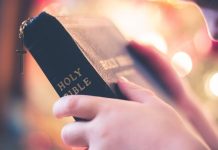
The three-day trial, the first of its kind since the Socialist-led government reformed the law, centered on events from late September to early November 2022, when volunteers affiliated with the international “40 Days for Life” campaign gathered on public sidewalks near the Askabide clinic in central Vitoria-Gasteiz. Participants held signs reading “You are not alone,” “We are praying for you,” and “40 Days for Life,” while praying quietly, often with rosaries.
No evidence emerged of physical obstruction, verbal insults, or direct approaches to clinic users. Yet the public prosecutor and the clinic, acting as private accuser, maintained that the activists’ organized, recurring presence created an atmosphere of “constant coercion,” leading some women to feel intimidated or cancel appointments.
Clinic manager Igor Elberdin testified that the vigils aimed to dissuade patients, close the facility, and ideologically pressure staff. He claimed protesters prayed aloud at times, displayed photos, and once called him an “assassin” — allegations the accused denied. Two former patients told the court they felt “singled out” or unsettled: one objected to hearing the prayer phrase “forgive them,” though defense lawyers noted it was not directed at individuals; the other admitted no one approached her but described discomfort at seeing people praying nearby.
Police testimony, however, undercut claims of disruption. Officers from the local force and Basque regional Ertzaintza, called multiple times to the scene, uniformly described the gatherings as “peaceful.” They confirmed no blocking of entrances, no insults, no altercations, and full cooperation from participants when asked for identification. Some officers ventured personal opinions that the presence “could be perceived as coercive,” but emphasized public order was never breached.
The 21 defendants — 12 women and nine men, ranging in age and including some with mobility issues — took the stand Tuesday, insisting their actions were limited to low-voiced or silent prayer, often diagonally across from the clinic entrance on a busy street. “We never bothered anyone,” one said. “We were exercising our rights.”
Defense attorneys argued the case represents an overreach of Article 172 quater of the Penal Code, introduced via Organic Law 4/2022 under then-Prime Minister Pedro Sánchez. The article punishes attempts to “obstruct the exercise of voluntary termination of pregnancy” through “annoying, offensive, intimidating or coercive acts” that impair a woman’s freedom. Critics say its vague wording allows subjective feelings of discomfort to criminalize constitutionally protected activities like assembly, expression, and conscience.
The clinic seeks €20,000 in damages, split between the facility and Elberdin personally. Prosecutors framed the vigils as a “coordinated movement” to hinder abortion access, asserting “mere presence” can be coercive.
The trial has reignited debate over Spain’s abortion framework, legalized on request up to 14 weeks since 2010. Bishop Luis Argüello, speaking at a bishops’ conference this week, decried the proceedings: “Offering information to pregnant women is considered abuse, and praying in front of an abortion clinic is seen as a threat.”
Judgment is pending. Whatever the verdict, the Vitoria case signals how far Europe’s most permissive abortion regimes may go to shield the procedure from peaceful dissent — and whether silent prayer in public now carries a prison sentence.
- Raju Hasmukh with files from Infovaticana
Related Images: