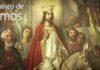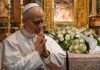











Pope Leo XIV canonizes 7 blesseds Oct 19, incl. ex-Satanic priest Bartolo Longo, Venezuelan ‘doctor of poor’ Hernández. Highlights redemption at Vatican rite.
Newsroom (15/10/2025, Gaudium Press )Pope Leo XIV will canonize seven blesseds during a solemn Mass on October 19 in St. Peter’s Square, elevating to sainthood a diverse group that includes a Venezuelan physician known as the “doctor of the poor” and an Italian lawyer who renounced his past as a Satanic priest to become a devoted apostle of the rosary.
The Holy See Press Office announced the canonizations, following their approval at the pontiff’s inaugural consistory earlier this year. This event builds on Leo XIV’s recent canonizations of Carlo Acutis and Pier Giorgio Frassati, underscoring his emphasis on modern lay witnesses to the faith.
Among those to be declared saints are two Venezuelans: José Gregorio Hernández Cisneros, a physician revered for his service to the impoverished, and María del Carmen Rendiles Martínez, founder of the Sisters Servants of Jesus. The list also features Ignazio Choukrallah Maloyan, an Armenian archbishop martyred amid the Ottoman-era genocide; Peter To Rot, a Papua New Guinean lay catechist executed during Japanese occupation in World War II; Vincenza Maria Poloni, founder of the Sisters of Mercy of Verona; and Maria Troncatti, a Salesian missionary who ministered to Ecuador’s Indigenous Shuar communities.
Yet it is Bartolo Longo, the former Satanic priest whose dramatic conversion exemplifies redemption, who has captured widespread attention ahead of the ceremony.
Born in 1841 in Latiano, southern Italy, Longo pursued legal studies amid the political upheavals of unification-era Italy. In his youth, he drifted into occult practices, spiritualism, and ultimately ordination as a Satanic priest, plunging into what biographical accounts describe as profound despair and spiritual torment.
Guided by Catholic friends, Dominican friars, and lay devotees, Longo experienced a profound turnaround. He publicly repudiated spiritualism, joined the Dominican Third Order, and immersed himself in Marian piety and charitable endeavors. Settling in Pompeii, he revitalized dilapidated churches, established a rosary confraternity, and transformed the area into a pilgrimage hub.
Longo’s initiatives included catechizing the underprivileged, organizing Marian festivals, and advocating the rosary as a tool for personal and communal renewal. In 1875, he acquired a deteriorated painting of Our Lady of the Rosary, which sparked a surge in local devotion. Attributed miracles attracted pilgrims nationwide, prompting Longo to erect a grand shrine that today ranks among the world’s most frequented Marian sites.
Leveraging his legal expertise, Longo channeled resources into social welfare. With the backing of Countess Marianna di Fusco—whom he married in a Josephite, or chaste, union—he established orphanages and homes for prisoners’ children, progressive institutions for the era. Ultimately, he bequeathed the shrine and its charities to the Holy See.
Longo died in 1926 at age 85, having spent his later years promoting the rosary he once rejected. His cause for canonization opened in 1947, culminating in beatification by Pope John Paul II in 1980, who dubbed him the “Apostle of the Rosary.” Theological review of his writings cleared the final hurdle for sainthood.
The October 19 rite, expected to draw thousands, will mirror the format of Leo XIV’s prior canonizations, featuring testimonies, liturgical hymns, and the pope’s formal decree. It highlights the Church’s narrative of conversion and mercy, resonating in an age of spiritual seeking and social challenges.
- Raju Hasmukh
Related Images: