












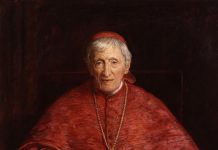

The 62-year-old priest succeeds Cardinal Christoph Schönborn, who retired in January 2025 at the age of 80, and becomes the twelfth Archbishop of Vienna.
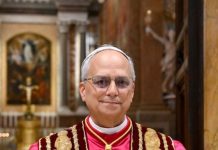
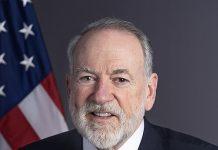
Newsroom (17/10/2025, Gaudium Press ) The Holy See Press Office announced today that Pope Leo XIV has appointed Josef Grünwidl, former Apostolic Administrator of the Archdiocese of Vienna, as the new Metropolitan Archbishop of Vienna. The 62-year-old priest succeeds Cardinal Christoph Schönborn, who retired in January 2025 at the age of 80, and becomes the twelfth Archbishop of Vienna.
A Humble Acceptance
In a statement released by the Archdiocese of Vienna, Archbishop-designate Grünwidl expressed initial hesitation before accepting the appointment, citing a deepening conviction: “God does not need me to be perfect, He wants me to be available. Trusting in those who support me in prayer, and in God’s help, who will uphold, guide, and strengthen me, I gladly accept this task.” He emphasized his desire to connect with both practicing Catholics and those “still searching” for faith, aiming to guide them on their spiritual journeys.
A Local Pastor with Deep Roots
Born in Hollabrunn, Lower Austria, Grünwidl studied theology and organ in Vienna and was ordained a priest in 1988 by Cardinal Franz König in St. Stephen’s Cathedral. His career within the Archdiocese includes roles as Secretary and Episcopal Vicar under Cardinal Schönborn, culminating in his appointment as Apostolic Administrator following Schönborn’s retirement. Known for his focus on spiritual renewal, Grünwidl has served the Archdiocese of Vienna, Austria’s largest with approximately 550,000 Catholics, with quiet dedication.
Cardinal Schönborn’s Endorsement
Cardinal Schönborn, Archbishop Emeritus, welcomed the appointment with enthusiasm. “Today is a deeply moving and joyful day,” he said. “What could be more beautiful than knowing that our Archdiocese is in good hands!” He noted the widespread support for Grünwidl within the diocese, likening the public’s response to the Eastern Christian tradition of proclaiming “Axios!” (“He is worthy!”) at ordinations. Schönborn expressed confidence that Pope Leo’s decision affirms the diocese’s trust in Grünwidl.
Controversial Views Spark Debate
Grünwidl’s appointment has not been without controversy. In a recent interview with Austria’s public broadcaster Ö1, he declared that “the era of the Church of the people is over,” pointing to the decline in faith transmission from parents to children. More provocatively, he suggested that priestly celibacy should not be mandatory and that women could assume roles in the College of Cardinals, a body traditionally reserved for men under Church doctrine.
These statements have raised concerns among traditionalist Catholics, who view them as a challenge to core tenets of the faith. Priestly celibacy, upheld by the Latin Church as a sign of total dedication to Christ, and the male-only priesthood, rooted in theological tradition, are seen as non-negotiable by many. Critics argue that Grünwidl’s proposals risk diluting Catholic identity and clericalizing feminist movements within the Church.
A Continuation of Schönborn’s Legacy?
Grünwidl’s appointment is widely seen as an extension of Cardinal Schönborn’s tenure, which balanced loyalty to Rome with openness to modernizing Church practices. Schönborn’s approach often drew criticism for aligning too closely with secular values, particularly in a country like Austria, where secularism has led to declining church attendance and thousands of formal departures from the Church annually. Grünwidl’s emphasis on adapting to societal demands may reflect a pragmatic strategy to stem this tide, but detractors warn it could further erode Catholic distinctiveness.
Rome’s Pragmatic Approach
The appointment underscores the Vatican’s effort to navigate a fragmented global Church. By selecting figures like Grünwidl, who prioritize dialogue with local cultures, Rome appears to favor adaptability over rigid adherence to tradition. However, critics argue this approach risks alienating faithful Catholics who seek a robust defense of doctrine. Historical trends suggest that churches thrive where the Gospel is proclaimed clearly, while efforts to conform to secular expectations often lead to further decline.
As Grünwidl prepares to lead Vienna’s Catholics, his tenure will likely be shaped by the tension between pastoral outreach and fidelity to tradition, a challenge that could define the future of the Church in Austria.
- Raju Hasmukh with files from Vatican News and Info Vaticana
Related Images: