



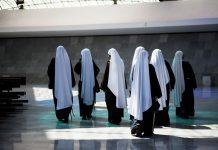






The sixteen Carmelites, executed by guillotine in 1794 during the Reign of Terror, faced death with remarkable serenity, singing hymns and reciting psalms as they ascended the scaffold.
Newsroom (17/09/2025, Gaudium Press ) In a moving telegram dispatched on behalf of Pope Leo XIV, Cardinal Secretary of State Pietro Parolin conveyed profound joy and spiritual unity with the faithful gathered at Notre-Dame de Paris for a Thanksgiving Mass celebrating the canonization of the sixteen Carmelite nuns of Compiègne. Addressed to His Excellency Archbishop Laurent Ulrich of Paris, the message lauded the martyrs’ heroic witness during the French Revolution, underscoring their enduring legacy as a beacon of faith, hope, and charity for the universal Church.
The sixteen Carmelites, executed by guillotine in 1794 during the Reign of Terror, faced death with remarkable serenity, singing hymns and reciting psalms as they ascended the scaffold. Their courage and composure left an indelible mark, not only on the silenced crowd that witnessed their martyrdom but even on their jailers, whose hardened hearts were stirred by what the telegram describes as a “beneficent disturbance” that opened a path to the divine. This profound witness, the message notes, has inspired an abundance of literary and artistic works, affirming the timeless impact of their sacrifice.
Cardinal Parolin’s telegram reflects on the nuns’ transformation from victims of revolutionary violence into protagonists of a supreme act of self-offering. Stripped of all earthly possessions, they remained “rich in their vows and the act of consecration” through which they had freely offered their lives to God, praying for the restoration of peace to both the Church and the State. Their theological hope, rooted in the example of Christ’s self-sacrifice, imbued their martyrdom with a mysterious fruitfulness, promising new life even in the face of unjust suffering.
The telegram poignantly recalls the words of the prioress, the last to face execution, who turned to her executioners with a smile and declared, “How can we resent these poor unfortunates who open the gates of heaven for us? I forgive you with all my heart, as I hope God forgives me!” This act of forgiveness, coupled with gratitude and joy, exemplifies the charity that filled the souls of these martyrs. Their example, the message urges, invites the faithful to cultivate an interior life wholly oriented toward heavenly realities, drawing strength from their radical trust in God’s providence.
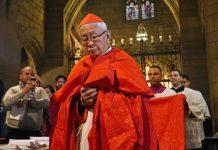
The canonization thanksgiving Mass, held under the iconic vaults of Notre-Dame, served as a moment of communal thanksgiving for the Church, which continues to draw inspiration from the Carmelites’ legacy. Pope Leo XIV, through Cardinal Parolin, expressed his deep happiness in joining the faithful in this celebration, extending his apostolic blessing to all present in the cathedral and to those participating from afar. The message underscored the universal significance of the event, which not only honors the Carmelites’ sacrifice but also calls the Church to emulate their unwavering faith and love in the face of adversity.
The telegram concluded that this thanksgiving mass for the canonization stands as a testament to the enduring power of martyrdom to transform hearts and renew the Church’s mission. The Compiègne Carmelites, through their total offering, forgiveness, and peace, remain a luminous example for all who seek to live fully for God.
- Raju Hasmukh with files from vatican.va
Related Images: