















On the 80th anniversary of the Nuremberg Trials, a Catholic reflection on justice, repentance, the power of words, and the hope of “never again.”
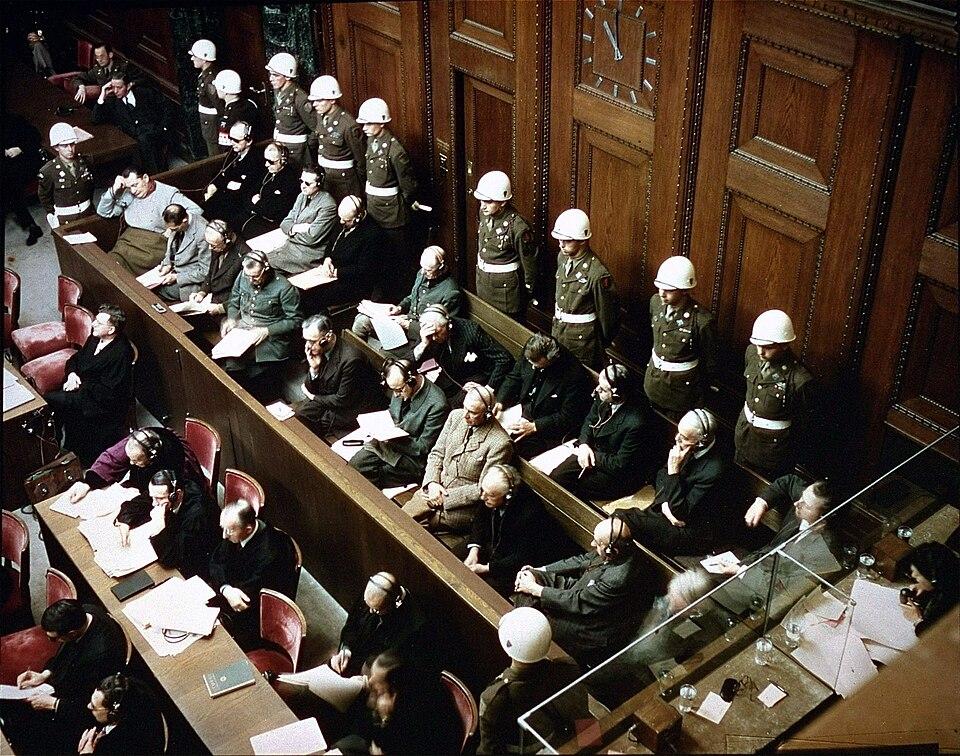
Newsroom (27/11/2025 Gaudium Press ) Eighty years ago on 20 November 1945, the International Military Tribunal opened in the battered city of Nuremberg. What unfolded over the next eleven months was not merely a courtroom drama; it was one of the rare moments in history when the civilized world insisted that even the most powerful perpetrators must answer for the blood of the innocent.
From a Catholic perspective, Nuremberg stands as a profound, albeit imperfect, enactment of the moral order written on the human heart. The trials gave legal flesh to truths the Church has always proclaimed: that there exists a law above the laws of nations, that no command can justify the deliberate destruction of human beings made in the image of God, and that the excuse “I was only obeying orders” collapses the moment it is measured against the dignity of a single child led to the gas chamber.
The tribunal’s boldest achievement was the formal recognition of “crimes against humanity.” This was not legal novelty for its own sake; it was the codification of what the natural law had always known: certain acts are so monstrous that they cry out to heaven itself. Murder, extermination, enslavement, persecution on racial or religious grounds, these are offenses not only against the victims but against the very order of creation.
Among the twenty-two senior Nazis in the dock, two stories pierce the Catholic conscience with particular force.
Hans Frank, the “Butcher of Poland,” entered prison a defiant National Socialist. By the time he mounted the witness stand, something had broken open within him. He returned to the Catholic faith of his youth, handed over his own diaries as evidence against himself, and declared that “a thousand years will not suffice to erase the shame” of what Germany had done. In his final statement he asked God to receive him with mercy. Whatever judgment history renders on the sincerity of that late conversion, the Church teaches that divine mercy is never refused to the contrite heart. Frank’s execution became, in a mysterious way, the possible seal of a repentance that no earthly tribunal could either grant or deny.
Julius Streicher presents the darker mystery. Publisher of the vile Der Stürmer and author of children’s books that taught hatred as a virtue, he never personally pulled a trigger or signed an extermination order. Yet the tribunal condemned him to death for having “injected poison into the minds of millions” and for creating the psychological climate in which genocide became possible. His last words on the gallows “Heil Hitler!” and a mocking “Purim fest 1946!” revealed a soul that had chosen darkness to the end. Here the Church’s teaching on the malice of scandal and the eternal destiny of the unrepentant stands in chilling relief.
Nuremberg also quietly refuted the caricature of “victors’ justice.” Every defendant received counsel, due process, and the right to confront evidence, much of it drawn from the Nazis’ own meticulous records. Only twelve were sentenced to death, and only those whose direct responsibility for crimes against humanity was overwhelming faced the noose. Restraint, not vengeance, characterized the proceedings.
For Catholics who recall the Church’s historic caution about capital punishment, this restraint matters. The death penalty was applied not as collective retribution but as the narrowest possible response to crimes that had torn the moral fabric of humanity.
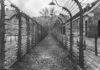
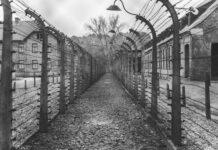
Perhaps the deepest Catholic lesson of Nuremberg lies in what happened afterward in Germany itself. By forcing the nation to look unflinchingly at documentary evidence of the camps, the trials shattered the possibility of amnesia. They made it impossible to say “we did not know” or “it was only Hitler.” In the decades that followed, Germany’s confrontation with its past arguably the most thorough national examination of conscience in history gave birth to a culture that takes the cry “never again” with ultimate seriousness. Collective guilt does not exist; collective responsibility does. Nuremberg taught the difference.
Finally, the trials remind us of something essential to Christian anthropology: justice is never merely punitive; it is restorative. Twelve executions could never balance the ledger for six million Jewish dead and the millions of others murdered. Yet by publicly declaring the innocence of the victims and the guilt of the perpetrators, the tribunal performed an act of vindication without which healing cannot begin. In the words of St. John Paul II, memory is the condition of justice, and justice is the condition of authentic peace.
On this eightieth anniversary, Nuremberg still speaks. It tells us that evil must be named, that repentance is always possible though never cheap, that words can kill as surely as bullets, and that even after the worst ruptures of the moral order, the path back to human solidarity remains open, if only we have the courage to walk it.
Twelve was better than eleven or none. And, by the grace of God, it was a start.
- Raju Hasmukh with files from Providence
Related Images: