


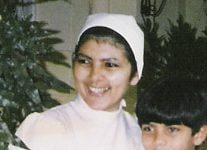






Martha Patricia Molina will testify before USCIRF in the U.S. Senate, exposing Nicaragua’s escalating persecution of church leaders.
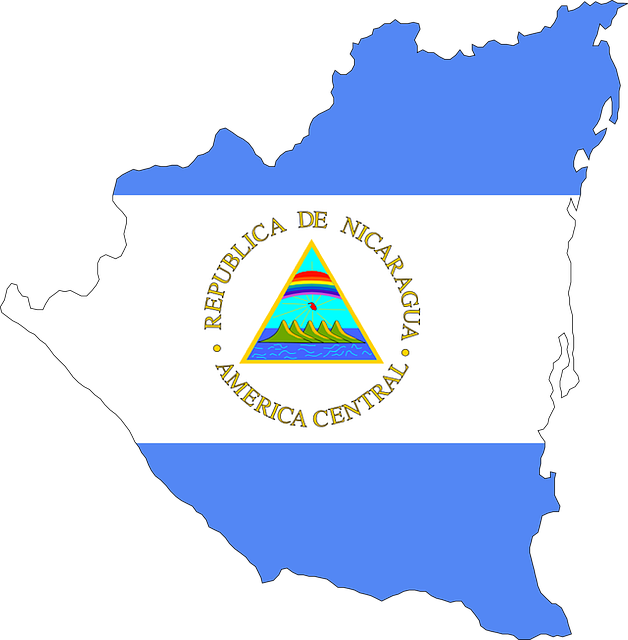
Newsroom (12/01/2026 Gaudium Press) Tomorrow in Washington, Nicaraguan lawyer and researcher Martha Patricia Molina will testify before the United States Commission on International Religious Freedom (USCIRF), providing sworn evidence about what she calls a “voracious persecution” of religious institutions under the Ortega-Murillo regime. The hearing, convened by a Senate committee, aims to expose global cases where governments have weaponized legal systems and propaganda to silence faith-based voices.
For Molina, the appearance is not only a formal act of testimony but also a personal risk. From exile, she has meticulously documented the collapse of religious freedom in Nicaragua. Her latest report, “Nicaragua: A Persecuted Church,” details hundreds of incidents — from arbitrary detentions of priests to church property seizures and government-coordinated disinformation campaigns against clergy. “I will explain how religious leaders have become the new political prisoners and why silence is complicity,” Molina told 100% Noticias ahead of her appearance.
A Pattern of Persecution
Since mass protests erupted in 2018, religious organizations have faced escalating retaliation. The Ortega-Murillo government, once allied with Catholic institutions in the Sandinista revolution, has since turned on them, branding church leaders as “traitors” and “agents of foreign powers.” Over the last five years, more than 1,200 documented attacks have targeted the Catholic Church. At least 17 priests have been imprisoned or forced into exile, while dozens more have seen their congregations infiltrated by state informants.
Religious radio stations and charities have been closed under vague allegations of “money laundering” or “undermining sovereignty.” In 2023, even the Missionaries of Charity, founded by Mother Teresa, were expelled from the country. According to Molina, the crackdown now extends to evangelical communities, which have historically maintained apolitical profiles. “It is no longer only about silencing dissent,” she said. “It is about wiping out any moral authority that challenges the state narrative.”
A Global Forum for Local Truths
Tomorrow’s Senate hearing, part of the USCIRF 2025 Annual Report process, gathers witnesses from countries facing similar state persecution. The panel will include Grace Drexel, daughter of detained Chinese pastor Ezra Jin Mingri; Phic H’Dok, a Vietnamese advocate for Montagnard Christians; Abdulbaqi Said Abdo, a former prisoner of conscience from Egypt; Rebecca Dali, a Nigerian pastor aiding victims of Boko Haram; and Aneeqa Maria Anthony, a human rights defender from Pakistan.
Officials say the witnesses will share firsthand evidence of faith-based discrimination and propose U.S. policy responses — from targeted sanctions to enhanced support for civil society defenders. The Commission has warned that in various nations, Christians are being denied the right to worship, teach, and express their faith, and some “face harassment, imprisonment, or death for exercising religious belief.”
U.S. Policy and the Nicaraguan Crisis
Molina’s testimony comes as Washington reassesses its engagement with Managua. The Biden administration has already imposed economic sanctions and travel bans on top Nicaraguan officials for human rights abuses, but advocacy groups insist more pressure is needed. Analysts view the USCIRF hearing as a venue to strengthen policy coordination between Congress and the executive branch.
“The Church is one of the last independent institutions that still commands public trust in Nicaragua,” said a policy adviser familiar with the USCIRF agenda. “Targeting it is part of a broader attempt to extinguish the country’s moral conscience.” Documents submitted to the Senate indicate Molina will recommend U.S. actions to expand humanitarian protections for exiled religious workers, strengthen international monitoring, and tie future cooperation with Managua to religious freedom benchmarks.
A Voice for the Silenced
For years, Molina has been the chronicler of a hidden war — a systematic campaign of intimidation that leaves crosses toppled, parishes deserted, and pastors behind bars. Her database, now recognized by international NGOs and human rights experts, reveals not random abuse but a state policy of erasure. “When the government closes a church, it doesn’t just silence a building,” Molina remarked in a recent interview. “It breaks a community’s spine.”
Tomorrow, she will bring that story to Capitol Hill. Surrounded by witnesses from China, Nigeria, and Pakistan, her message will stand as both documentation and warning: the persecution of faith in Nicaragua is real, calculated, and expanding. At stake, she insists, is more than religious liberty — it is the survival of truth in a country where even prayer is treated as dissent.
- Raju Hasmukh with files from 100% Noticias
Related Images: