








New pilgrimage “The Way of the Gospel” revives Japan’s persecuted Christian history, linking Kagoshima to Nagasaki in a Camino-inspired spiritual journey.
Newsroom (10/11/2025 Gaudium Press ) A groundbreaking spiritual route dubbed “The Way of the Gospel” has been unveiled, connecting historic sites across southern Japan to honor the nation’s early Christian missionaries and the resilient “hidden Christians” who preserved their faith amid centuries of persecution.
Announced jointly by the Archdiocese of Lucca in Italy and dioceses in Kagoshima, Nagasaki, and Fukuoka, the pilgrimage draws inspiration from Spain’s iconic Camino de Santiago. It promises pilgrims a profound blend of spirituality, history, and culture, traversing Kyushu’s scenic landscapes while retracing the paths of 16th-century evangelizers.
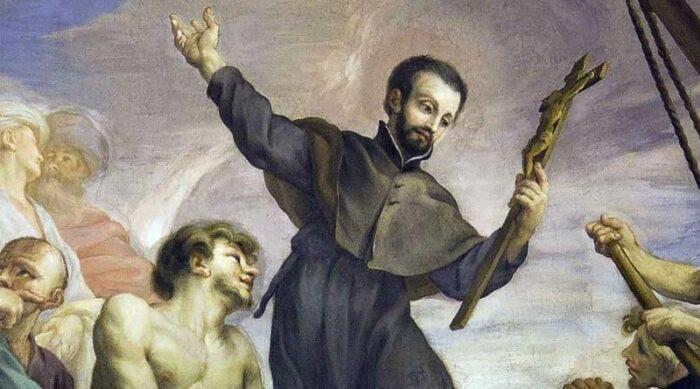
The initiative emerged from a September 2025 delegation visit by Lucca Diocese representatives to Japan, under the umbrella of the “Thesaurum Fidei” cultural program. This effort seeks to spotlight Christianity’s artistic and spiritual treasures globally. Backed by Japanese authorities, the route will spotlight key figures like Saint Francis Xavier, the Jesuit pioneer who arrived in Kagoshima in 1549; Portuguese surgeon-missionary Luis de Almeida; and Alessandro Valignano, the influential Jesuit visitor who shaped early missions in the archipelago.
These lands bear scars from brutal anti-Christian campaigns, including the 1614 nationwide ban on the faith and the expulsion of foreign missionaries. For nearly 250 years, until the Meiji Restoration lifted restrictions in 1873, communities of “Kakure Kirishitan” (hidden Christians) practiced in secrecy—passing down baptisms, prayers, and martyr stories orally, without priests or sacraments from Rome.
UNESCO recognized this extraordinary endurance in 2018, inscribing the “Hidden Christian Sites in the Nagasaki and Amami Regions” on its World Heritage List, encompassing locations in Nagasaki and Kumamoto prefectures. Pope Francis highlighted their “depth of faith” during his 2019 apostolic visit to Japan, praising those who “deprived of everything, continued to live the Gospel in secret.” In 2024, he hosted members of the Hidden Christians Research Association in Rome, commending a perseverance that “survived in darkness.”
The pilgrimage’s conceptual roots trace to a commemorative journey marking the 400th anniversary of Dominican missionary Angelo Orsucci’s martyrdom in 1622. Organized by Lucca Diocese, this event underscored Japanese Christianity’s spiritual depth and catalyzed Thesaurum Fidei. Subsequent activities include exhibitions, conferences, publications, and cross-cultural bridges—exemplified by manga artist Kan Takahama. Her graphic novels poignantly depict clandestine Christian life; invited to Italy’s Lucca Comics & Games 2025, she honored these “silent witnesses.”
Beyond tourism, organizers envision “The Way of the Gospel” as a meditative pathway fostering peace. In Nagasaki—site of the 1945 atomic bombing where the Immaculate Conception Cathedral’s bell is set to ring again for global harmony—the project resonates deeply. Here, memories of Christian martyrdom merge with atomic devastation, symbolizing a nation’s unyielding hope amid suffering.
By illuminating missionary footprints and hidden believers’ testimonies, the route unites Italy and Japan in celebrating faith’s indomitable light—one that endured prohibition, isolation, and violence, emerging as a universal beacon. As diocesan leaders state, it reminds the Church and world that “faith, even when persecuted or silenced, remains a light that nothing can extinguish.”
- Raju Hasmukh with files from Tribune Chretienne
Related Images: