






Malaysian & Singapore archbishops bar Catholics from unapproved Naju shrine in S. Korea, citing excommunication risk over alleged Marian visions.
Newsroom (07/11/2025, Gaudium Press ) A Malaysian archbishop has joined Singapore’s Catholic leadership in prohibiting visits to a controversial South Korean Marian shrine, warning that participation could trigger automatic excommunication.
Archbishop Simon Poh of Kuching issued the directive in the Nov. 4 edition of Today’s Catholic, the official archdiocesan newspaper, stating that Catholics “are not permitted to visit the Naju Marian shrine” in the Archdiocese of Gwangju, South Korea.
Poh said he personally confirmed the ban with former Gwangju Archbishop Hyginus Kim, who reaffirmed that the site remains off-limits. The archbishop urged the faithful to restrict pilgrimages to officially recognized Catholic churches and shrines.
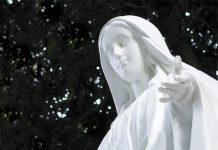
The warning stems from inquiries by Malaysian Catholics about organized tours to Naju, where alleged miracles—including a statue of the Virgin Mary reportedly weeping tears and blood—have drawn devotees for decades despite Church condemnation.
On Oct. 31, the Singapore Archdiocese released a chancery notice declaring that any Catholic participating in activities at the Naju center would incur latae sententiae (automatic) excommunication. The notice described the site’s ongoing ministry as operating “against the guidelines of the local Ordinary in Korea.”
Singapore’s directive further advised past visitors to cease attendance and seek the sacrament of reconciliation to have the excommunication lifted.
The Naju shrine is tied to Julia Kim, a Korean mother of four and former Protestant who converted to Catholicism. Kim claims she began receiving visions of Jesus and the Blessed Virgin Mary in the 1980s. On June 30, 1985, she reported that a statue of Mary in her home prayer room began shedding tears—a phenomenon she says recurred 700 times over the years, sometimes with blood.
Kim also alleges she was miraculously cured of terminal cancer. Devotion to “Our Lady of Naju” grew rapidly, prompting multiple Church investigations.
In 1998, then-Gwangju Archbishop Victorinus Youn Kong-hi formally declared the reported phenomena “not of supernatural origin.” The Catholic Bishops’ Conference of Korea later upheld the rejection of the alleged miracles.
In 2024, the Gwangju Archdiocese issued a separate warning about Alexander Kim Dae-sik, a priest expelled from the Salesian congregation in 2022, who has reportedly continued celebrating sacraments illicitly at the Naju site.
Despite consistent prohibitions, pilgrims from Malaysia, Singapore, and other Asian nations continue traveling to Naju, citing personal testimonies of healing and Eucharistic miracles not endorsed by Church authorities.
The parallel warnings from Kuching and Singapore underscore a coordinated regional effort to enforce canonical discipline and protect the faithful from unapproved devotional practices.
- Raju Hasmukh with files from UCA News
Related Images: