Liberal-Bloc deal removes religious text defence from Canada’s hate speech law in Bill C-9, sparking alarm from Catholic, Jewish, Muslim and civil-liberties groups.
Newsroom (10/12/2025 Gaudium Press ) Liberal members of the House of Commons Standing Committee on Justice and Human Rights voted Tuesday evening to adopt a controversial Bloc Québécois amendment that eliminates the long-standing religious-speech defence from Canada’s hate speech provisions.
If Bill C-9, the Combatting Hate Act, is enacted in its amended form, paragraph 319(3)(b) of the Criminal Code will be deleted. The soon-to-be-expunged clause currently shields individuals who, “in good faith,” express or attempt to establish “an opinion on a religious subject or an opinion based on a belief in a religious text.”
The amendment, tabled by Bloc MP Rhéal Éloi Fortin, was a non-negotiable condition set by Bloc Leader Yves-François Blanchet for his party’s support of the minority government’s legislation at third reading.
Fortin argued the existing defence could allow individuals to “commit actions or say things that would otherwise be forbidden” under the Criminal Code.
The vote followed an eight-hour clause-by-clause examination on December 9, after committee chair and Liberal MP James Maloney had abruptly adjourned a December 3 meeting and cancelled the December 4 session to allow members to “regroup.”
Conservative MP Larry Brock accused the Liberals of accepting an eleventh-hour change they had never contemplated. “It is clear the Liberals will do whatever it takes to pass this,” Brock said, noting that neither Justice Minister Sean Fraser nor his officials had proposed removing the religious-text defence during two years of drafting or public hearings.
Earlier Tuesday, Minister Fraser told reporters the amendment would not harm freedom of religion, which he described as a protected Charter right. “The amendment that the Bloc is proposing will … in no way, shape or form prevents a religious leader from reading their religious texts,” Fraser insisted. “It will not criminalize faith.”
Conservative MP Garnett Genuis challenged the minister’s reasoning. “It’s as if the existence of the Charter establishes some law of physics which prevents legislation from passing that violates it,” Genuis said. “Laws can still be passed [that] violate those rights, and those laws are enforced until they’re struck down.”
Fraser later posted on X that he intends to meet with concerned faith communities to reassure them that “good-faith religious expression will remain fully protected.”
The pledge has done little to quiet criticism from Catholic, Christian, Jewish, Muslim, Sikh and Hindu leaders, as well as dozens of civil-liberties organizations and constitutional scholars.
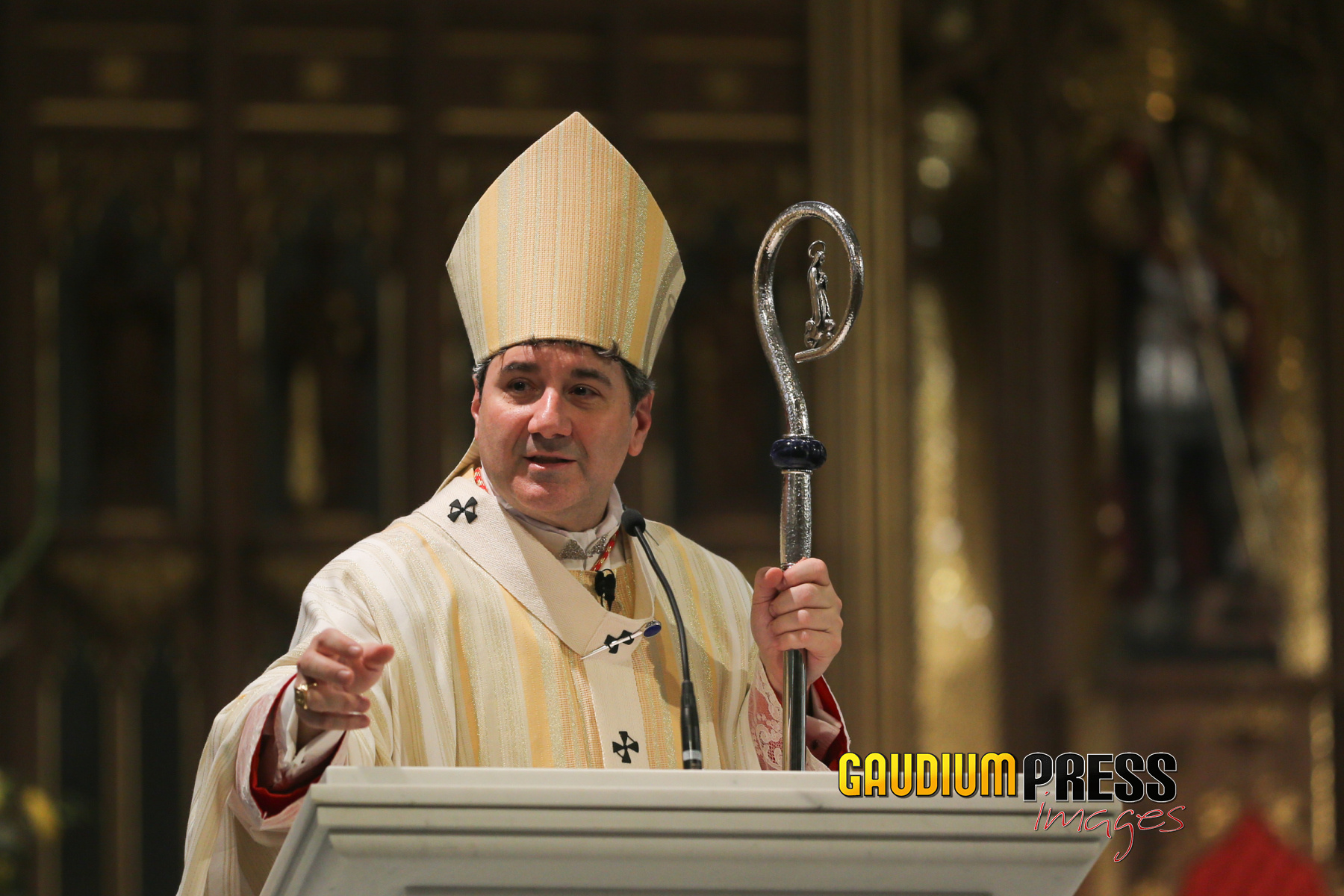
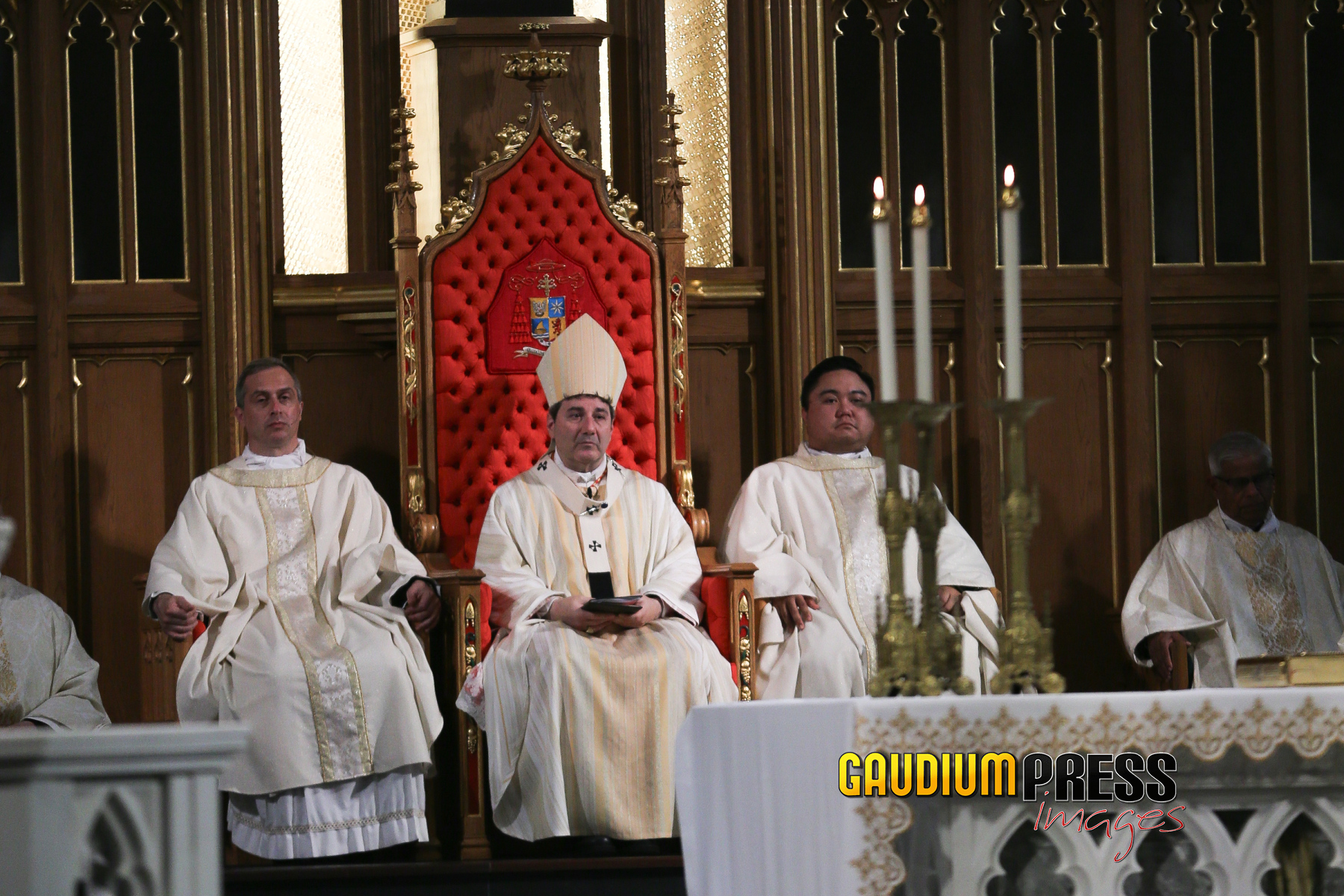
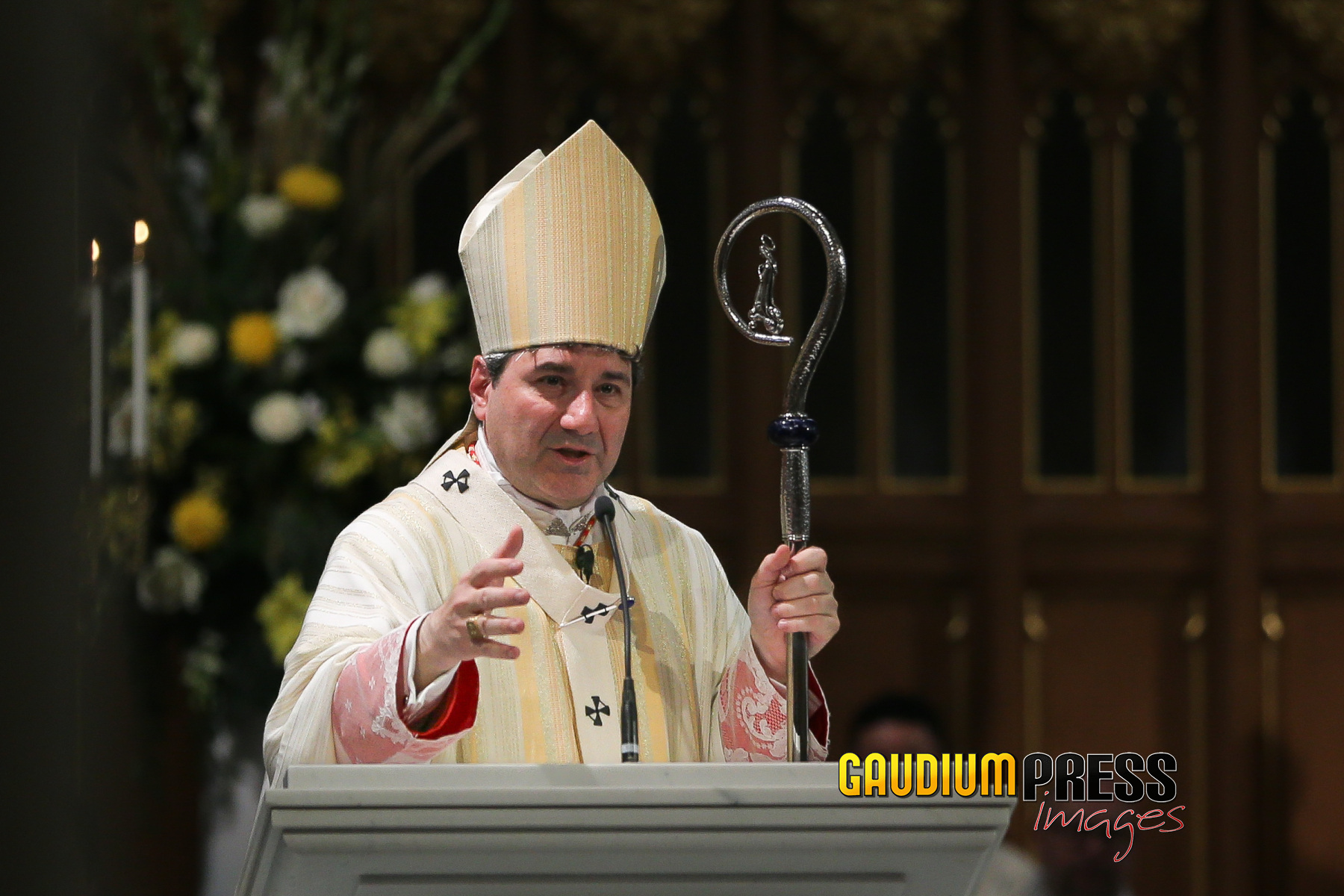
The Canadian Conference of Catholic Bishops and Toronto Cardinal Frank Leo have both written to Parliament warning that removing the defence creates “uncertainty for clergy, educators and all people of faith who seek to pass on the teachings of the Church with charity and integrity.”
The Catholic Civil Rights League of Canada (CCRL) condemned the Liberal-Bloc accord, stating it “deplores expressions of hate or anti-Semitism” but fears the change will expose clergy and believers to prosecution for teachings on sexual morality grounded in scripture.
The CCRL also highlighted a separate provision in Bill C-9 that eliminates the requirement for Attorney General consent before laying hate-propaganda charges, warning this “will likely result in spurious or targeted attacks on individuals expressing Christian moral teachings.”
In immediate response to the amendment’s adoption, Conservative MP Andrew Lawton tabled a new clause stating that “nothing in this section is to be interpreted or applied to interfere with the freedom of expression or freedom of religion.” A vote on Lawton’s amendment could come as early as the next committee sitting.
Another extended clause-by-clause session of Bill C-9 is expected to be scheduled for Wednesday afternoon, though no formal notice had appeared on the House of Commons website at time of writing.
- Raju Hasmukh with files from Catholic Register
Related Images: