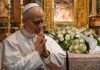







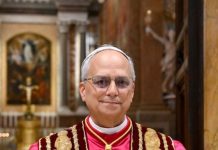














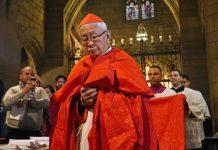

Kenyan Catholic Bishops at 2025 National Prayer Day urge youth to reject homosexuality, “gender confusion,” embrace purity & fight corruption for a renewed nation.
Newsroom (06/10/2025, Gaudium Press ) On the eve of Kenya’s 2025 National Prayer Day, Catholic leaders issued a stark warning to the nation’s youth: steer clear of homosexuality, “gender confusion,” and other practices they deem contrary to divine intent, lest they invite lifelong suffering.
In a collective message delivered Saturday at the Subukia National Marian Shrine in Nakuru County, members of the Kenya Conference of Catholic Bishops (KCCB) called on young Kenyans to “shun ideologies that promote same-sex relationships, gender confusion, and sexual practices contrary to God’s design of human sexuality.” The address, read by KCCB Chairman Archbishop Maurice Muhatia Makumba, framed these as “deviant lifestyles” with “very painful consequences,” potentially scarring lives irreparably.
The event, themed “Pilgrims of Hope: Renewing Our Nation,” drew hundreds to the shrine under the auspices of the Nyeri Archdiocese and its suffragan dioceses, including Embu, Isiolo, Maralal, Marsabit, Meru, Muranga, and Nyahururu. It coincided with the Feast of St. Francis of Assisi, emphasizing themes of love, purity, and renewal amid Kenya’s social and economic strains.
A Call to Transcend Division, Tune Into Faith
Drawing from the Gospel of John – the encounter between Jesus and the Samaritan woman at the well – the bishops urged youth to rise above “cultural and religious prejudices,” including tribal loyalties. “Jesus was beyond such cultural and religious prejudices,” the message stated. “Our young people, we are not our tribes, neither are we just a generation. We are unique products of God’s love.”
Archbishop Muhatia implored attendees to “tune in to God’s voice amidst the competing cultural frequencies of today’s world,” likening spiritual discernment to adjusting a radio for clarity. “There is no love if freedom is not guaranteed,” he added, quoting the message. “God made us free so that his great love can raise us from the dust.”
The bishops stressed love as life’s core pursuit: “The most important aspect of life is love – to love and to be loved.” Without it, even wealth breeds misery, they warned. Referencing the Beatitudes, they extolled purity of heart as a gateway to divine vision: “Blessed are the pure in heart, because they will see God.”
This purity, they argued, fosters chastity not merely as a vow but as a “lifestyle” that renders sin unpalatable. It underpins both marriage and celibacy, echoing St. John Paul II: “Marriage and virginity or celibacy are two ways of expressing and living the one mystery of the covenant of God with his people.”
Battling Corruption, Mental Health Crises, and Despair
The message pivoted to broader societal ills, decrying corruption as a “vice” that erodes health, security, and education systems. “A corrupt person in leadership brings death,” the bishops lamented, painting a grim picture of systemic failures. Yet they offered hope: “Corruption can be reversed if all of you commit to compassion and love.”
Youth, they said, must become “protagonists of change” – rejecting violence for political gain and challenging “systemic economic injustice” through models prioritizing human dignity. “Every one of you is a protagonist of change in our motherland, Kenya,” the statement read. “Do not let yourselves down by being instruments of violence and mayhem while someone else is achieving his political mileage.”
Addressing mental health, the bishops acknowledged rising despair among Kenya’s youth, fueled by unemployment, fractured relationships, substance abuse, and depression. “Sadly, we are losing young people through depression and stress,” they noted. These trials, however, are “opportunities where Christ meets young people in their pain and transforms their brokenness into hope.”
They advised seeking professional counseling alongside spiritual remedies: regular Sunday Mass, frequent confession, and involvement in church groups. Inspiration, they suggested, could come from young saints like the newly canonized Carlo Acutis, whose tech-savvy faith exemplifies modern devotion.
Assurance for the Struggling, Pride in the Unique
For those grappling with personal struggles, the bishops extended a pastoral embrace: “For those who are struggling with some aspects of life, we assure you of our fatherly presence.” They rejected judgment, urging unity in diversity: “In the spirit of love and purity of heart,” foster openness without condemning differing views.
The message closed on an affirming note, centering Christ as “life itself” – not a mere theory. “We are proud of you as original gifts to our country and the Church,” the bishops said. “Imagine, our dear young people, since the world was created until the end of it, no one will be like you. That is why we urge you to tune in to the frequency of faith, hope, and charity as our protagonists of change.”
The KCCB’s words come amid Kenya’s evolving cultural debates, where traditional values clash with global influences on identity and sexuality. As the nation grapples with youth unemployment rates hovering around 35% – per recent government data – and a surge in mental health cases post-COVID, the bishops’ blend of admonition and encouragement underscores the Church’s role as both moral compass and social anchor.
For context, similar pastoral letters have historically shaped Kenyan discourse, from anti-corruption drives in the 2000s to interfaith unity calls during election violence. This year’s message, delivered on October 4, 2025, signals no retreat from conservative stances on sexuality, even as it champions empathy and reform.
- Raju Hasmukh with files from ACI Africa
Related Images: