








Jemimah Rodrigues scores unbeaten 127 vs Australia amid Hindu nationalist backlash; Catholic nun Sr Sabina wins hurdles in habit. India lifts ICC trophy.
Newsroom (06/11/2025, Gaudium Press) In a display of resilience under pressure, 25-year-old Jemimah Jessica Rodrigues smashed an unbeaten 127 to orchestrate India’s stunning semi-final victory over seven-time champions Australia on October 30, setting the stage for the nation’s inaugural ICC Women’s World Cup triumph with a commanding 52-run win against South Africa in the final on November 2.
Batting in oppressive Mumbai heat and humidity at the DY Patil Stadium in Maharashtra, Rodrigues anchored a faltering chase after India slumped early against Australia’s imposing 338 for 7. Her knock—the first century by any player in the 53-year history of the Women’s World Cup during a knockout match while pursuing a target—propelled India to 340 for 5 with overs to spare, shattering the defending champions’ dominance.
Post-match, an emotional Rodrigues attributed her feat to divine intervention. “I relied on the Scripture verse, ‘Stand still and God will fight for you’ [Exodus 14:14], and that’s what I did—I just stood there, and He fought for me,” she said. “Today was not about my 50 or my 100; today was about making India win. I feel like God scripted everything at the right time. Firstly, I want to thank Jesus, because I know I couldn’t do it on my own. He carried me today.”
Wiping away tears, the Mumbai-born all-rounder, who debuted internationally in 2018, expressed profound gratitude to her Mangalorean Catholic family. Her mother, Lavita, and father, Ivan—a longtime coach and mentor—provided unwavering support amid her pre-tournament mental struggles. “Every day I would call up my mother and cry. My family and teammates helped me and kept encouraging,” she revealed.
Rodrigues candidly shared the toll of recent setbacks: “Last time I was dropped from this World Cup despite good form…I’ve almost cried every day through this tournament. I was not doing well mentally, going through a lot of anxiety. Then being dropped for a match was another challenge for me. But I think all I had to do was show up and God just took care of everything. The Bible says that ‘weeping endures for a night, but joy comes in the morning.’ Today joy came, but I am still weeping.”
Her triumph resonated nationwide, earning accolades from the Catholic Bishops’ Conference of India, which featured her faith-centered testimony on its official website. Sr Maria Nirmalini AC, superior general of the Apostolic Carmel Congregation and president of the Conference of Religious Women India, hailed Rodrigues as “a prophet by her witness to the world of her faith.”
Born in a Mumbai suburb to a devout Mangalorean Catholic household, Rodrigues has long blended athletic prowess with public expressions of Christianity, drawing both admiration and ire. Her semi-final heroics sparked a viral social media quip: “Jemimah Rodrigues scored a century against Australia and a double century against Hindutva,” alluding to persistent online abuse from Hindu nationalist quarters.
The backlash peaked last year when Mumbai’s prestigious Khar Gymkhana Club—one of the city’s oldest cricket institutions—revoked her honorary three-year membership, granted in 2023 for her on-field exploits. The October 2024 decision stemmed from accusations that her father conducted prayer meetings at the club to proselytize. Club president Vivek Devnani rejected the claims as “politically motivated” ahead of internal elections, noting they lacked evidence, yet members voted to expel her nonetheless.
In India, where 12 states enforce stringent anti-conversion laws and others debate similar measures, allegations of “proselytisation” and “forced conversion” carry significant weight. Hindu nationalist groups frequently disrupt Christian gatherings, accusing pastors of inducements. Commentators highlighted the hypocrisy of “Hindutva”-aligned media outlets now lauding Rodrigues after previously targeting her faith.
Prominent journalist Rajdeep Sardesai, son of former India cricketer Dilip Sardesai, posted on the semi-final evening: “Outlets who have hounded Jemimah and her family in the past for their religious faith [should] bury their faces in a hole tonight. She is a proud daughter of India who has shone on the biggest stage. Way to go girl!”
Trinamool Congress parliamentarian Mahua Moitra echoed: “Congratulations to Jemimah Rodrigues for staying the course and making us all proud. She said it clearly—sometimes we need to stand still and God will fight for us. Bless you Jemimah. Love and all happiness.”
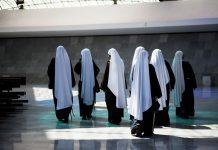
The same week spotlighted another Catholic woman’s sporting feat in southern India. At the State Masters Athletics Meet in Kerala’s Waynad district, 55-year-old Sr Sabina—a member of the Sisters of the Adoration of the Blessed Sacrament—clinched gold in the over-55s hurdles event, racing barefoot and fully attired in her religious habit.
View this post on Instagram
Hailing from Kasaragod district and stationed at the Dwarka Provincial House’s worship centre, Sr Sabina marked her final competitive outing before retiring as a physical education teacher in March. A former national-level hurdler in her student days, she stunned spectators with her poise despite the garment’s constraints. “I wanted to compete one last time before retiring,” she said. “I made it possible by sheer hard work and seeking God’s grace.”
India’s path to the title—their third World Cup final appearance—culminated in Kolkata, where disciplined bowling and batting dismantled South Africa. Rodrigues’ semi-final masterclass not only dismantled Australia but symbolized broader narratives of faith, perseverance, and national unity amid divisive undercurrents.
- Raju Hasmukh with files from The Tablet
Related Images: