







RSS-backed Janjati Suraksha Manch stages protest against tribal Catholics’ Christ the King festival, escalating tensions over alleged conversions in Jharkhand.
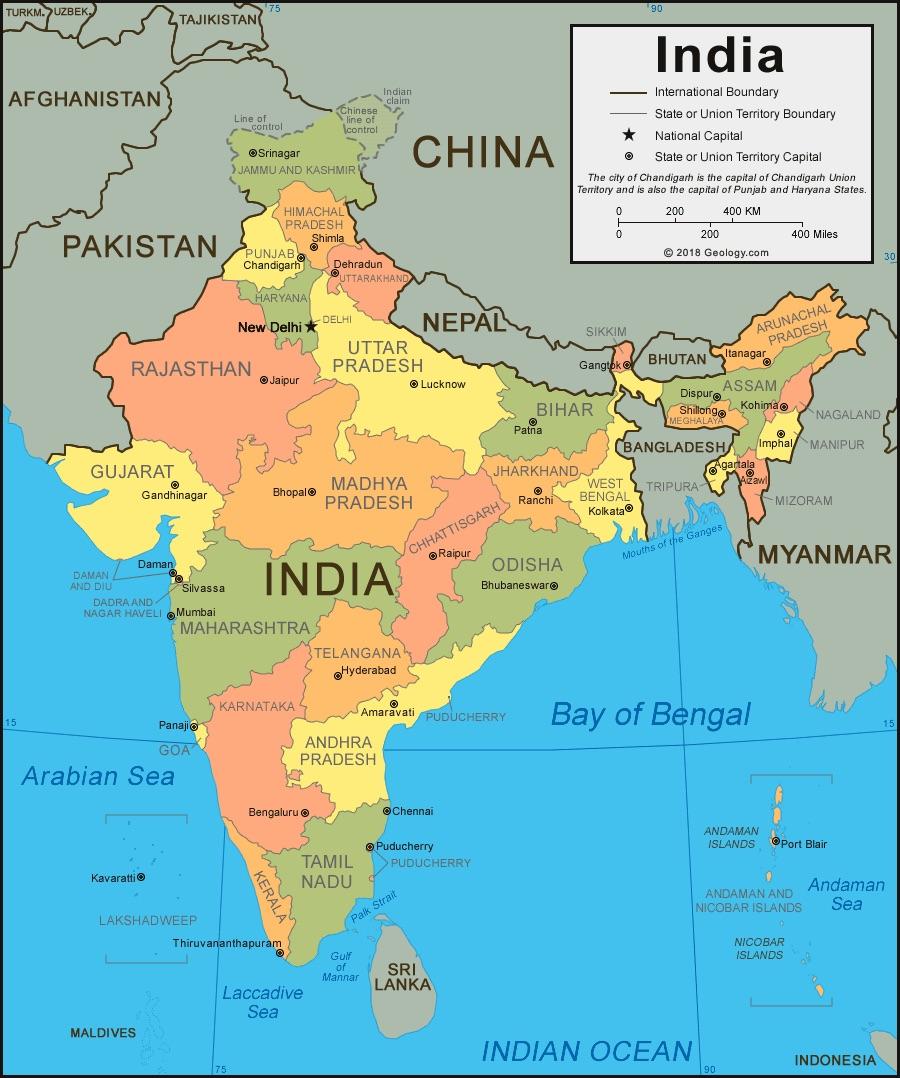
Newsroom (25/11/2025 Gaudium Press ) On a sunlit Sunday morning in the state capital, thousands of tribal Catholics had gathered to celebrate the Feast of Christ the King, a liturgical tradition observed for more than two decades in Jharkhand’s predominantly indigenous Christian belt. By afternoon, their procession was met with a counter-rally led by the Janjati Suraksha Manch (JSM), a forum backed by the Rashtriya Swayamsevak Sangh (RSS), the ideological fountainhead of India’s ruling Bharatiya Janata Party (BJP). The deliberate timing of the protest on November 23, the very day of the feast, has left tribal Christian leaders accusing Hindu nationalist groups of orchestrating a calculated attempt to intimidate and marginalise their community.
The JSM march, held under heavy police presence, carried banners accusing Christian missionaries of using the festival as a pretext for religious conversion. Activists demanded that authorities ban the celebration outright, reviving a long-standing narrative that portrays missionary activity as a threat to tribal identity and culture.
For Jharkhand’s 1.4 million Christians – most of them tribals who adopted the faith generations ago – the protest felt like the latest chapter in a sustained campaign of harassment. “This is the first time they have chosen the exact day of our festival to stage a counter-event,” said Ratan Tirkey, a prominent tribal Christian politician and former member of the state’s Tribal Advisory Committee. Speaking to UCA News, Tirkey called the move a deliberate attempt “to make false claims about Christians and missionaries to get more publicity” and to “disrupt the communal harmony among different faiths.”
The RSS, widely regarded as the umbrella organization of Hindu right-wing groups that openly aspires to transform India into a Hindu rashtra, has long viewed the northeast and tribal-dominated states such as Jharkhand as critical ideological battlegrounds. Its affiliate, the JSM, founded in 2006, presents itself as a defender of indigenous traditions against what it terms “predatory proselytisation.” Critics, however, point out that most of its members are BJP supporters and that its activities have intensified since the party came to power nationally in 2014.
Praween Kachhap, general secretary of the All India Christian Minority Front in Jharkhand, was blunt in his assessment. “All that groups like JSM want is to establish supremacy over tribal peoples’ properties, culture and tradition,” he said. Kachhap warned that the current targeting of tribal Christians is merely a stepping stone. “It is part of the BJP game plan. It is tribal Christians now, next would be tribal Hindus, and then the followers of Sarna,” he added, referring to practitioners of Jharkhand’s indigenous nature-based faith who have also faced pressure from Hindu nationalist organisations seeking to fold them into the broader Hindu fold.
Local tribal leader Prabhakar Tirkey pushed back against the narrative that missionaries are eroding indigenous culture. “Such parties and groups oppose Christians because they don’t want to see tribal people’s socio-economic conditions improve,” he told UCA News. “The truth is they [Christian missionaries] are the ones trying to protect tribal culture and identities.” Mission-run schools and health centres, he noted, remain among the few institutions that teach tribal languages and preserve oral traditions in a state where government infrastructure often falls short.
The protest comes against the backdrop of a marked rise in anti-Christian incidents in Jharkhand since the state legislature passed a stringent anti-conversion law in 2017. The legislation imposes up to three years’ imprisonment and a 50,000-rupee fine (approximately US$800) for anyone found guilty of converting another person by force, fraud, or inducement. Christian leaders insist that the law has been weaponised to harass pastors, shut down prayer meetings, and file false cases against community members.
With tribal communities forming the demographic backbone of the state – and Christians constituting a significant portion of that population – the clash over the Christ the King feast underscores a deeper struggle over identity, land, and political patronage in one of India’s most resource-rich yet impoverished regions. For now, the tribal Catholics of Ranchi returned home after their procession, their hymns drowned out by competing slogans, yet resolute in a celebration that Hindu nationalist groups appear determined to silence.
- Raju Hasmukh with files from UCA News
Related Images: