Health Canada report proposes allowing advance euthanasia requests for future incapacity, igniting debate over dignity, consent, and protection of the vulnerable.
Newsroom (01/12/2025 Gaudium Press )Health Canada has released a major report exploring the potential expansion of Canada’s medical assistance in dying (MAID) regime to include advance requests, a move that would permit competent adults to pre-authorize euthanasia should they later become incapable of consent due to irreversible suffering.
Under current federal law, enacted in 2016 and expanded in 2021, a person must provide clear, contemporaneous consent immediately before receiving MAID. Advance requests are expressly prohibited. The new Health Canada document, tabled as part of ongoing parliamentary review, outlines a framework that would overturn that restriction for the first time.
The report offers a concrete illustration: an individual diagnosed with Alzheimer’s or another neurodegenerative disease could, while still of sound mind, register a written directive requesting euthanasia once specific triggers are met — for example, when they no longer recognize family members or can no longer perform basic self-care.
Proponents argue the change would restore autonomy to patients facing predictable, catastrophic loss of capacity. The Alzheimer’s Society of Canada has cautiously welcomed the discussion, provided robust safeguards are implemented. “When paired with ethical protections, high-quality palliative care, and adequate medical supports, advance requests can preserve dignity and choice for those living with dementia,” the organization stated.
Critics, however, warn of profound moral and practical hazards. Cardus, a faith-based think tank, contends that a directive written years earlier may no longer reflect a person’s authentic wishes once their circumstances, relationships, or spiritual outlook have changed. The group also highlights the risk that isolated or fearful individuals could feel implicit pressure to sign such directives, particularly in an aging society already grappling with strained long-term care.
Medical professionals have added their own reservations. Several physicians consulted during the report’s preparation stressed the difficulty — some say impossibility — of objectively assessing “intolerable suffering” in a patient who can no longer communicate. They note a crucial distinction between advance directives that refuse life-prolonging treatment (already legal) and advance requests that actively end life: the latter is irreversible.
Despite the report’s publication, no legislative change is imminent. Advance requests remain illegal under the Criminal Code, and any reform would require formal parliamentary action almost certain to provoke protracted and emotionally charged debate.
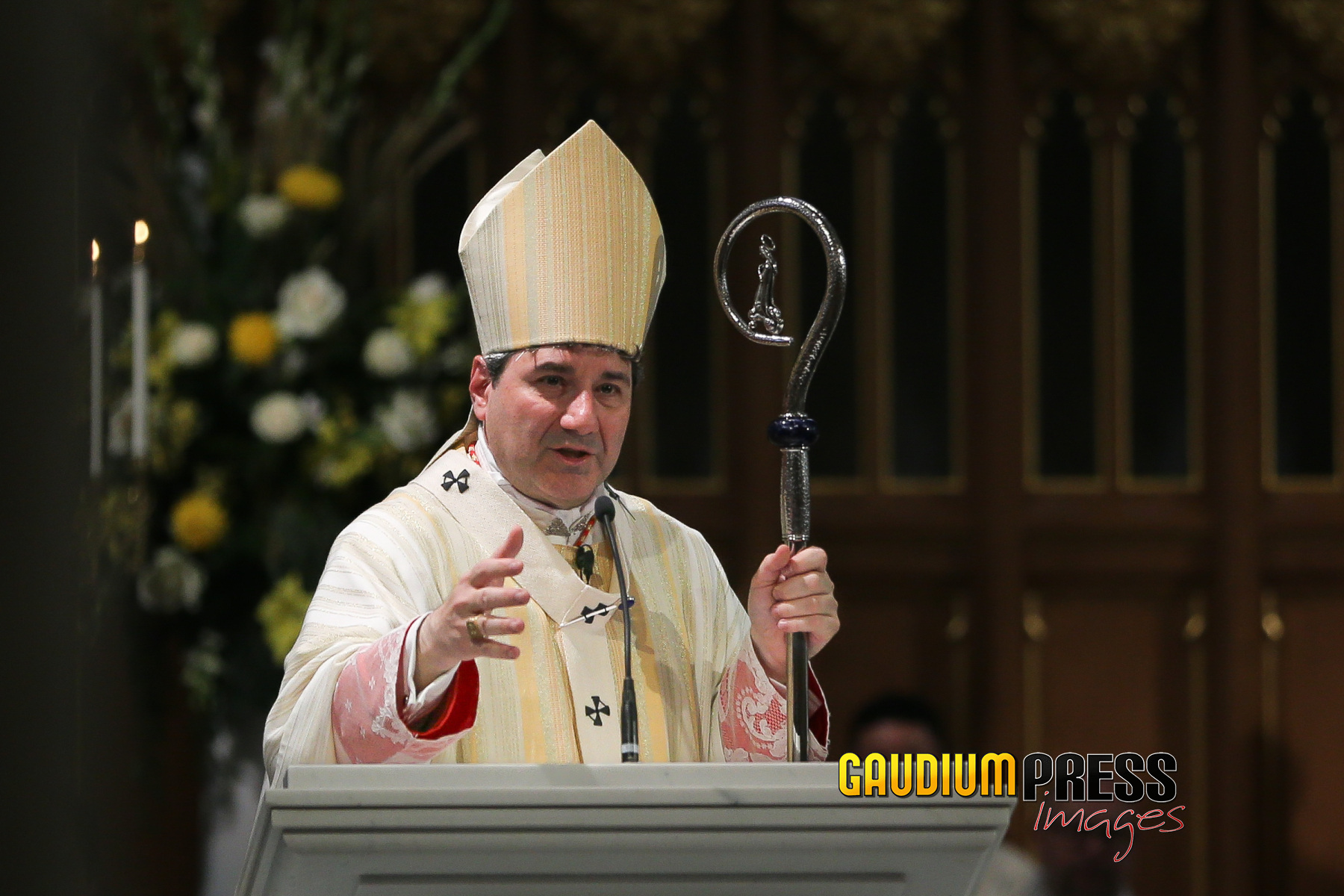
The Catholic Church in Canada has reiterated its longstanding opposition. Rooted in the principle that human life retains intrinsic dignity from conception to natural death, Catholic teaching holds that directly intending a person’s death — even to relieve suffering — is morally illicit. Church representatives continue to advocate expanded palliative and supportive care as the authentic response to terminal illness and dementia.
As Canada confronts one of the most permissive assisted-dying regimes among democratic nations, the advance-request question is rapidly emerging as the next frontier in an already polarizing national conversation over the boundaries of autonomy, suffering, and the value of life in its final stages.
- Raju Hasmukh with files from Infocatholica
Related Images: