












ZDF to air Germany’s first queer Catholic Mass, sparking debate on inclusion under Pope Leo XIV, who urges mercy but upholds traditional doctrine on homosexuality.
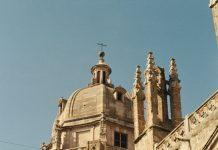
Newsroom (24/10/2025, Gaudium Press ) On Sunday, October 26, Germany’s ZDF network will break new ground by broadcasting the country’s first live “queer Catholic Mass” from St. Anna Church in Münster’s Mecklenbeck district, spotlighting the Catholic Church’s complex dance with LGBTQ+ inclusion. Organized by the Münster Queer Community—a spiritual refuge for queer Catholics since 1999—the 9:30 a.m. liturgy carries the theme “Who Am I … for You?” It nods to Pope Francis’s 2013 remark, “If someone is gay and seeks God and has good will, who am I to judge?” The service will weave personal faith testimonies from queer believers into an inclusive liturgy, with community member Jan Diekmann telling katholisch.de, “We want to show that queer people have a vibrant faith and celebrate it joyfully.”
Anticipating backlash, Münster police will station a patrol car outside, though no entry checks are planned. The broadcast, part of ZDF’s rotating Catholic-Protestant worship series, swaps the group’s usual Antonius Church crypt for St. Anna’s larger space to accommodate cameras. An ecumenical hotline will follow for viewer dialogue. Yet the event lands in a German Church already fractured by the Synodal Way’s push for same-sex blessings—proposals Diekmann called vital, lamenting debates that “hurt and retraumatize” queer faithful. While the Mass avoids such blessings to adhere to liturgical norms, it amplifies a broader European trend, from Belgium’s inclusive services to France’s Courage outreach, testing the balance between doctrine and pastoral care.
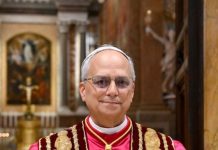
The Catholic Church’s stance, labeling homosexual acts “intrinsically disordered” while urging respect for individuals, remains a flashpoint. A 2023 German Church survey found 40% of young Catholics back blessings for queer couples, revealing a generational divide. Under Pope Leo XIV, elected May 8, 2025, after Francis’s death, this tension takes new shape. The conservative Augustinian navigates calls for openness while anchoring to tradition, offering a lens on whether Münster’s Mass signals evangelization or doctrinal drift.
A September 19 report cited an Italian bishop claiming the Pope encouraged Masses for LGBTQ+ Catholics as evangelistic tools, not endorsements of non-conforming lifestyles.
Pope Leo in an interview with Crux addressed the Western “obsession” with sexuality, noting a global east cardinal’s observation at the Synod of Bishops that the West fixates on sexual identity, unlike other regions where it’s less central. He acknowledged the polarizing nature of LGBTQ+ issues within the Church and emphasized fostering inclusivity without focusing on specific identities, following Pope Francis’ approach of welcoming all while maintaining current Church doctrine on sexuality and marriage. Leo stressed changing attitudes before considering doctrinal shifts, which he deems unlikely soon. He reaffirmed the Church’s view of marriage as a sacred union between a man and a woman and criticized Northern European church groups for ritualizing blessings of same-sex unions, which he said contradicts Pope Francis’ document, Fiducia Supplicans. This document allows blessings for individuals but not ritualized endorsements of same-sex unions. Leo advocated for accepting and respecting individuals with different choices while upholding existing Church teachings.
As ZDF’s cameras roll, Münster’s Mass won’t bridge these divides but will lay them bare, testing whether Leo XIV’s vision of mercy and truth can hold. For Diekmann, it’s a cry for belonging: “We just want to show we’re part of the Church.”
- Raju Hasmukh with files from focus.de
Related Images: