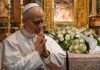






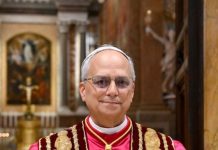













EU Migration Commissioner Brunner meets Pope Leo XIV, affirms Church as key partner in humane, controlled migration reform. Human rights non-negotiable.
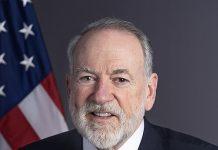
Newsroom (01/11/2025, Gaudium Press ) European Union Commissioner for Home Affairs and Migration Magnus Brunner emerged from a private audience with Pope Leo XIV expressing optimism that ongoing dialogue between the EU and the Catholic Church will continue to yield results on migration policy.
Speaking to Vatican Radio following the meeting, the Austrian commissioner – who assumed his portfolio in December 2024 – emphasized that respect for human rights remains “non-negotiable” in the bloc’s approach to migration.
“This is important to us, and it is not up for negotiation,” Brunner said.
As the official responsible for implementing Article 17 of the Treaty on the Functioning of the European Union, which mandates structured dialogue with churches and philosophical communities, Brunner described the role as one “very close to my heart.”
The commissioner, a practicing Catholic, called the audience a “unique” opportunity to discuss “the well-being of Christians in Europe and around the world.” The conversation focused heavily on the EU’s migration strategy, with both sides underscoring shared values.
Brunner thanked the pontiff for his “tireless commitment to peace and justice worldwide” and outlined Brussels’ push for a “fair reform” of the EU’s migration and asylum system.
Balancing Control and Humanity
Addressing criticism from church leaders over Europe’s perceived “fortress” mentality, Brunner argued that regaining control over borders is essential to combat people smuggling and restore public confidence.
“Ten years ago, during the first refugee crisis after the Syria war, we took on a great deal of responsibility – but without rules, without a system, without control,” he said. “We must give people in Europe the feeling that we are in control again.”
He stressed the need to distinguish between illegal migration, which he said plays into the hands of traffickers and poses security risks, and legal pathways that the EU must expand for both asylum-seekers and needed workers.
“Many member states have already concluded agreements with third countries to get the situation under control and put the European house in order,” Brunner noted.
Church Praised for 2015 Response
Brunner highlighted the Catholic Church’s role during the 2015 refugee crisis, when parishes across Europe answered papal calls to shelter displaced people.
“The Church really proved its humanity,” he said. “Working together with the Church now is enormously important to me because I believe we can learn from each other.”
He added that the European Commission must explain its reform proposals clearly: preserving the right to asylum while cracking down on illegal entries and creating legal channels for migration.
Core Elements of EU Migration Reform
The proposed EU Migration and Asylum Pact includes:
- Asylum screenings at external borders
- Accelerated procedures for applicants with low prospects of success
- Mandatory solidarity among member states, with countries able to opt for financial or operational contributions instead of hosting refugees
The goal, Brunner said, is a “fairer and more efficient” system that relieves pressure on frontline states like Greece and Italy.
Sant’Egidio Engagement
Prior to the papal audience, Brunner addressed the Sant’Egidio Community’s international peace meeting, advocating for legal migration corridors and robust integration measures.
“Learning the language, access to services, employment, and recognition of qualifications are decisive,” he told participants.
In a nod to church teaching, Brunner concluded: “There is a deeper foundation for successful integration. It lies in the recognition that we are all – whether native or newcomer – equal before God. This is the source of our European values and will always remain the basis of our policy.”
- Raju Hasmukh with files from Vatican News
Related Images: