






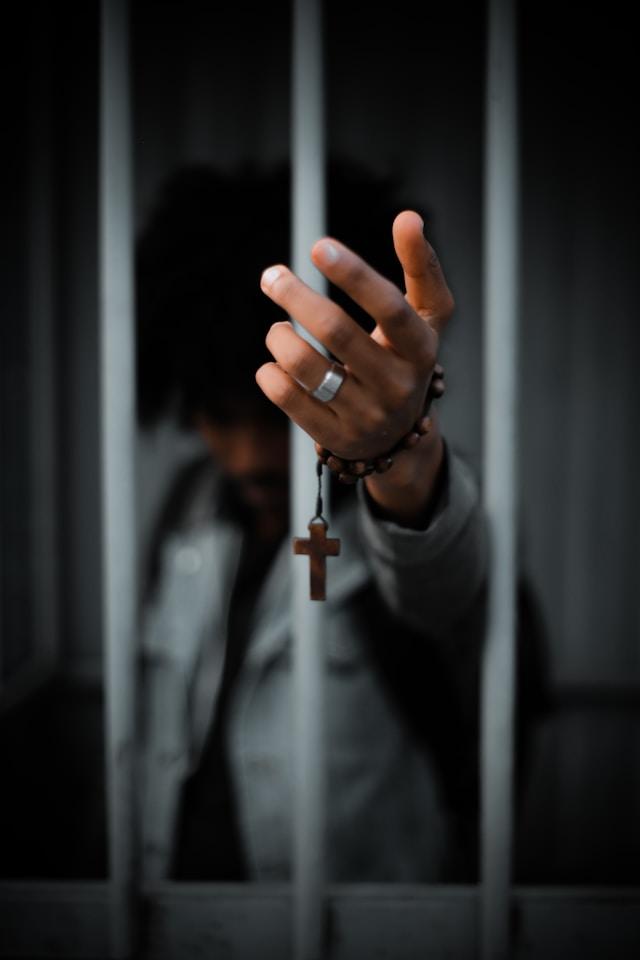
Cuba summons priests and arrests Catholic activists, raising alarms over religious freedom and government repression.
Newsroom (02/02/2026 Gaudium Press) In a wave of coordinated interrogations on January 23, Cuban authorities summoned two Catholic priests and detained two lay dissidents, casting a fresh spotlight on the government’s growing scrutiny of religious leaders who speak openly about freedom, democracy, and the nation’s deepening economic pain.
Fathers Castor Álvarez Devesa and Alberto Reyes, both from the Archdiocese of Camagüey, were called to appear before State Security officials without explanation—an order that interrupted a spiritual retreat with fellow clergy. On the same day in western Pinar del Río, Catholic laymen Dagoberto Valdés Hernández and Yoandy Izquierdo Toledo, members of the non-profit Convivencia Studies Center, were arrested and questioned for hours about their activities and international contacts.
The events coincided with what human rights observers called a “clear pattern of intimidation,” reviving memories of the state’s historical control over religious expression.
The Context: A Sensitive Anniversary
Writer and religious freedom advocate Osvaldo Gallardo linked the interrogations to a symbolic date—the 28th anniversary of the Mass celebrated in Camagüey by Pope John Paul II, who had urged Cubans “not to postpone until tomorrow the construction of a new society.” Gallardo warned the timing was not accidental, describing the summons and detentions as “acts of political intimidation” aimed at silencing clergy and lay people who advocate for dignity, freedom, and democratic reform.
“These are not administrative incidents,” Gallardo said. “They are attempts to suppress voices of conscience in a society desperate for hope.”
Voices of Faith and Dissent
Father Álvarez Devesa—interrogated for roughly three hours—had recently returned from a visit to Miami. Days later, his recorded statements surfaced online. He reiterated the suffering of the Cuban people and hinted at shifting geopolitical winds, noting that the capture of Nicolás Maduro by the United States had “weakened the Cuban regime’s control over Venezuela.” Reflecting on the mood on the island, he observed that Cubans now view potential change with “cautious hope,” saying, “A people who have suffered so much find it hard to believe—but still, I believe there is hope.”
Meanwhile, Father Alberto Reyes continues to post weekly reflections about the island’s condition, balancing spiritual insight with critique. On January 16, a week before his interrogation, he wrote that optimism for democratic change in Cuba had soared since recent political shifts in Venezuela. The morning of the 23rd, he condemned the sentencing of journalist José Gabriel Barrenechea, punished for protesting recurring power outages.
Arrests in Pinar del Río
In Pinar del Río, Valdés and Izquierdo’s arrests unfolded almost simultaneously. Witnesses said National Revolutionary Police officers arrived early that morning at Valdés’s home, taking him to State Security headquarters. Izquierdo was detained shortly after, as he and other colleagues went to inquire about Valdés’s whereabouts.
Authorities reportedly justified the arrests by citing a recent meeting between Valdés and Mike Hamer, the chargé d’affaires at the U.S. Embassy in Havana. Valdés was accused of “terrorism” and “collaboration with a foreign power threatening Cuba with military intervention”—charges that observers dismissed as politically motivated. Officials also confronted him with excerpts from his January 19 column, “The Future Is Here,” in which he advocated for a peaceful transition to democracy.
Though both men were released by evening, the message was unmistakable. Their colleagues at Convivencia described the interrogations as a warning that “sharing ideas can constitute a crime,” an assertion that contradicts basic democratic principles safeguarding free thought and pluralism.
Systemic Harassment and the Shrinking Space for Dialogue
Activist Osvaldo Gallardo denounced what he described as a recurring tactic: forcing citizens to sign “warning notices” without legal foundation. These forms, he argued, represent “a method of state harassment incompatible with Cuba’s international human rights commitments.”
Human rights organizations contend that such episodes reveal a broader trend of intimidation against independent Catholic voices—a group that, while historically cautious, has increasingly criticized repression and economic mismanagement on the island. The latest incidents reinforce a chilling message: in Cuba’s current climate, even measured reflections on faith, democracy, or reform may invite the full force of state power.
- Raju Hasmukh with files from INfovaticana
Related Images: