







Fr. Rosica and the Basilian Fathers sought to dismiss the lawsuit, arguing that it falls under the jurisdiction of canonical courts
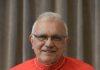
Newsroom (10/09/2025, Gaudium Press ) The Congregation of St. Basil has appealed an August 7, 2025, decision by a Canadian judge allowing a lawsuit to proceed against the religious order and its prominent member, Fr. Thomas Rosica, over allegations of sexual assault. The lawsuit, filed in Ontario in March 2024, claims that Rosica sexually assaulted a young priest during preparations for the 2002 World Youth Day in Toronto and that the Basilian Fathers failed to supervise him adequately or address complaints about his inappropriate conduct with young men.
The plaintiff, Fr. Michael Bechard of the Diocese of London, Ontario, alleges that Rosica, then a mentor and authority figure, fostered a relationship of trust and dependency in the late 1990s. Bechard claims Rosica used his position to facilitate “unwanted physical contact,” including exposing himself and repeatedly groping and fondling him, under the guise of spiritual and professional guidance. The lawsuit further alleges that the Congregation of St. Basil ignored concerns about Rosica’s behavior, enabling the alleged abuse.
Rosica and the Basilian Fathers sought to dismiss the case, arguing that it falls under the jurisdiction of canonical courts, as both parties are ordained priests and the alleged incidents occurred during Church-related duties. “Any such complaints or allegations would be governed by Canon Law,” their attorneys stated, urging the court to defer to ecclesiastical processes.
Justice Evelyn M. ten Cate of the Superior Court of Justice of Ontario rejected the dismissal motion, ruling that the case transcends internal Church matters. “The Plaintiff’s claim is not essentially doctrinal or ecclesiastical in nature – it is of interest to all Canadians and goes well beyond the internal matters of the Roman Catholic Church,” she wrote. She noted that canonical courts lack mechanisms to award punitive or aggravated damages, assign vicarious liability, or enforce rulings, making them inadequate for addressing sexual assault claims.
In her decision, ten Cate cited a 2014 article by Canadian law professor M.H. Ogilvie, published in Queens Law Journal, which argued that courts should assert jurisdiction over religious institutions unless the legislature explicitly relinquishes it. The article emphasized the importance of maintaining sovereignty in Canada’s pluralistic society, where religious laws like Roman Catholic canon law or Islamic sharia law might otherwise operate autonomously.
The Basilian Fathers’ appeal, filed on September 8, 2025, challenges ten Cate’s reliance on Ogilvie’s article, calling it a non-binding academic opinion rather than legal precedent. The appeal also criticizes the judge for conducting independent research without notifying the parties or allowing them to respond. It argues that ten Cate improperly addressed questions of religious autonomy and exemptions from Canadian law, issues not raised in the original motion.
Rosica, ordained in 1986, gained prominence as the chief organizer of Toronto’s 2002 World Youth Day and as the founder of Salt+Light Television in 2003. He served as a Vatican consultor, media advisor, and participant in the 2019 global summit on clerical sexual abuse, where he urged the Church to confront the issue head-on. His career faltered in 2019 after reports of widespread plagiarism in his published works, leading to his resignation from Salt+Light and several university boards. Rosica attributed the plagiarism to a “lack of oversight” rather than intentional misconduct.
In response to the lawsuit, Rosica denies the allegations, claiming only “infrequent ministerial contact” with Bechard between 1996 and 2002 and rejecting any accusations of abuse or improper conduct. The Basilian Fathers suspended Rosica’s priestly faculties in March 2024, though he continued to be listed as a facilitator for events at a Jesuit-owned retreat center later that year and into 2025.
The appeal underscores ongoing tensions between civil and ecclesiastical jurisdictions in addressing allegations of clergy misconduct, with broader implications for how Canadian courts handle cases involving religious institutions.
- Raju Hasmukh with files from The Pillar
Related Images: