


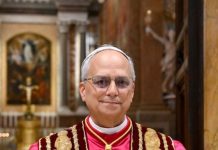




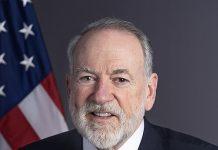





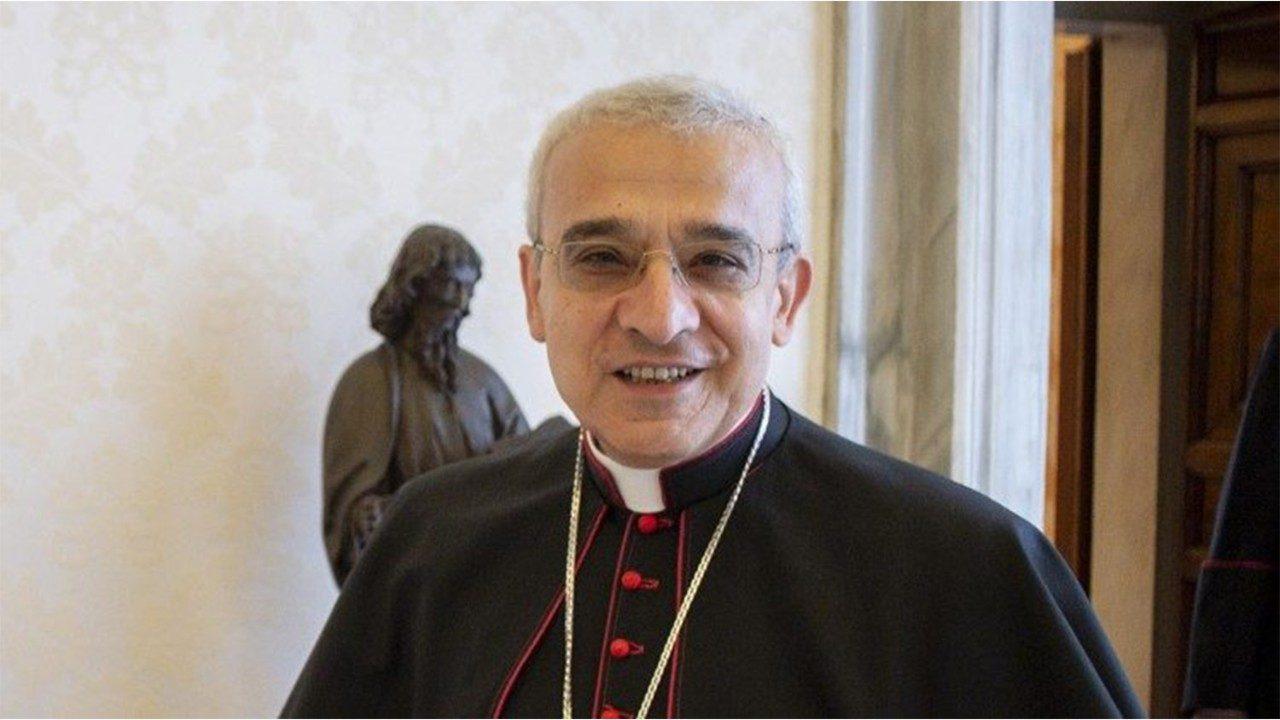
Archbishop Filippo Iannone, born 1957 in Naples, is a key Vatican canonist, leading the Dicastery for Legislative Texts and resisting radical Church reforms, now head the Dicastery for Bishops.
Newsroom (26/09/2025, Gaudium Press ) Archbishop Filippo Iannone, a seasoned Italian prelate and canon lawyer, has carved a distinguished career in the Catholic Church, marked by his deep commitment to ecclesiastical law and his resistance to radical reforms. Born in Naples in 1957, Iannone entered the Carmelite order, making his perpetual vows in 1980 and receiving ordination as a priest in 1982. His early career in the Archdiocese of Naples saw him serve as judicial vicar and vicar general, roles that showcased his legal acumen and administrative skill.
In 2001, Iannone was appointed auxiliary bishop of Naples, and in 2009, he became the Bishop of Sora-Aquino-Montecorvo in Italy’s Lazio region. His reputation as a diligent canonist led to his appointment in 2012 as vice regent of the Diocese of Rome, where he served as third-in-command under the pope and the cardinal vicar. Cardinal Agostino Vallini, who had worked with Iannone in Naples, personally requested his appointment, citing his exceptional work ethic and expertise in canon law. During this tenure, Iannone navigated complex canonical issues, including a corruption scandal at the Istituto Dermopatico dell’Immacolata, a bankrupt Catholic hospital mismanaged by its chief executive.
In 2017, Iannone joined the Pontifical Council for Legislative Texts as adjunct secretary, succeeding Cardinal Francesco Coccopalmerio as president in 2018. As head of the Dicastery for Legislative Texts, he oversaw significant projects, including the 2023 revision of Vos estis lux mundi, a papal document establishing procedures for investigating allegations of abuse or negligence by Church leaders, and the creation of a new Book VI of the Code of Canon Law, which governs penal sanctions in the Church. Unlike many curial heads, Iannone was not elevated to cardinal, a notable distinction in his Vatican career.
Iannone, too, has been responsible for issuing a number of important legal clarifications over the last few years — including several moves to reassert the Church’s total prohibition on Freemasonry.
Iannone’s tenure has not been without controversy. He firmly opposed radical reforms to the Code of Canon Law proposed by Cardinal Gianfranco Ghirlanda, S.J., a trusted adviser to Pope Francis, according to several Vatican sources. His conservative stance also surfaced in his critique of the German “synodal way,” a 2019-2023 initiative advocating sweeping changes to Catholic teaching. In a 2019 legal assessment accompanying a letter from Cardinal Marc Ouellet, Iannone argued that the initiative’s themes impacted the universal Church and could not be decided by a single national Church without papal approval. “Synodality in the Church… is not synonymous with democracy or majority decisions,” he wrote, emphasizing the hierarchical nature of Church governance.
In October 2024, Iannone addressed a high-profile controversy involving the case of Ariel Alberto Príncipi, an Argentine priest laicized for sexually abusing minors. The case sparked tensions when Archbishop Edgar Peña Parra, the Vatican’s sostituto, ordered Príncipi’s reinstatement via an “extraordinary procedure,” overturning decisions by two Argentine canonical tribunals and the Dicastery for the Doctrine of the Faith (DDF), which holds exclusive authority over such cases. In a Vatican media interview, Iannone clarified that the Secretariat of State often acts as a confidential courier for decisions by competent Vatican bodies, such as the Apostolic Signatura, the Church’s supreme court. He noted that appeals for mercy could be handled by other bodies, but only with direct papal intervention, subtly implying Pope Francis’ involvement in the Príncipi case.
Iannone’s career reflects a steadfast dedication to preserving the Church’s canonical framework, often navigating delicate balances between tradition, reform, and papal authority. His legal expertise and measured approach continue to shape the Vatican’s response to complex ecclesiastical challenges.
- Raju Hasmukh with files from The Pillar
Related Images: