










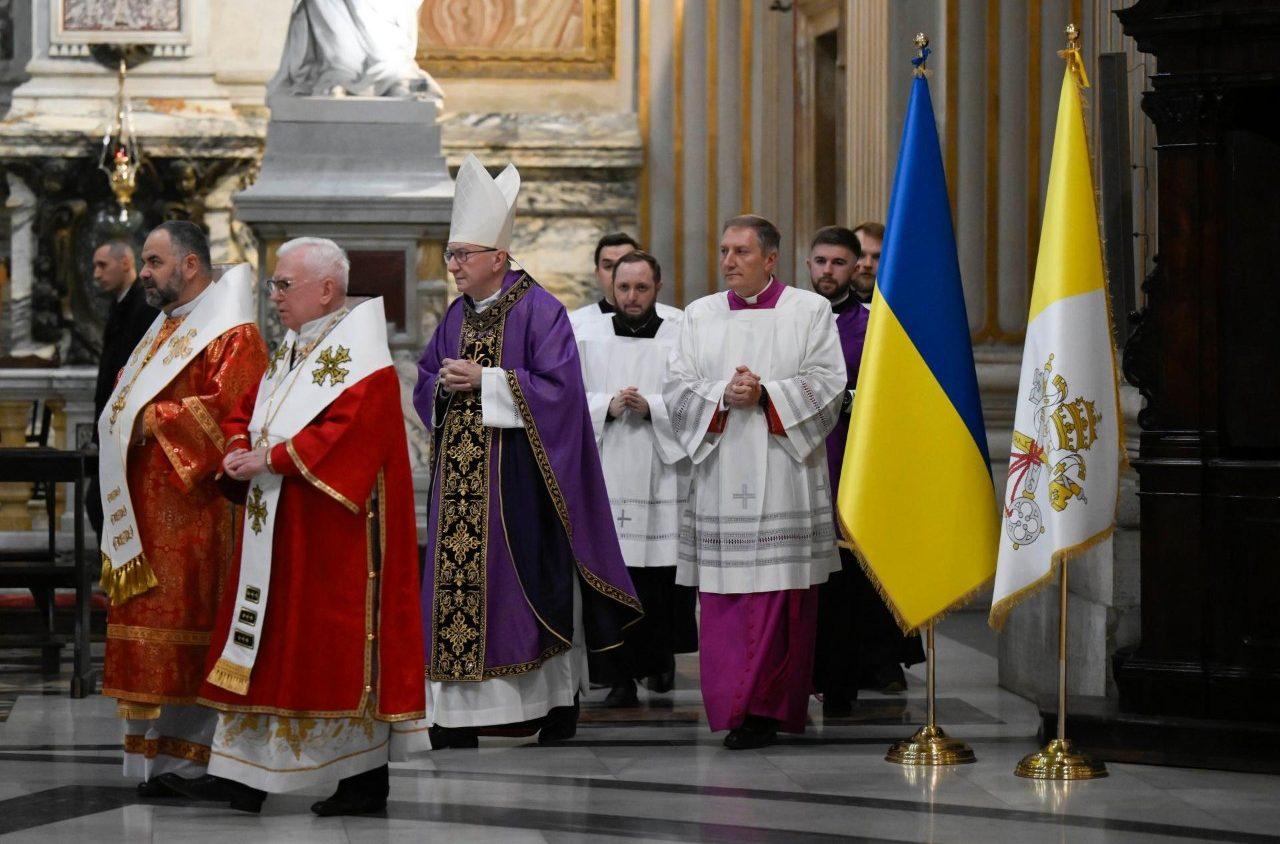
Vatican Cardinal Parolin condemns Russian strikes on Ukraine’s power grid as offense to humanity during Rome Mass marking 1932-33 Holodomor genocide.
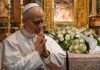
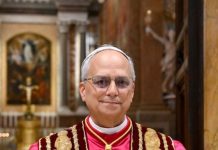
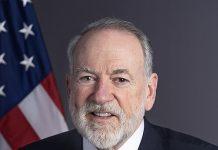
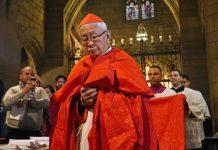
Newsroom (20/11/2025 Gaudium Press ) In a powerful homily linking the horrors of the 1932-1933 Holodomor to the ongoing suffering of Ukrainians amid Russia’s full-scale invasion, Cardinal Pietro Parolin, the Vatican’s Secretary of State, declared that deliberately leaving civilians without heat and electricity in winter constitutes “an outrage against God.”
“There is no justification for forcing thousands of civilians to live in darkness and cold,” Cardinal Parolin said Thursday during a commemorative Mass at Rome’s Basilica of Sant’Andrea della Valle. “Every action that deprives the civilian population of the possibility of living in dignity is an offense against humanity and an outrage against God, who is light, life, and mercy.”
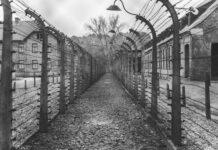
The Mass, organized by the Ukrainian Embassy to the Holy See and the Sovereign Order of Malta, marked the 92nd anniversary of the Holodomor – the man-made famine engineered by Stalin’s regime that killed an estimated 4-7 million Ukrainians. The cardinal described the genocide as a “tragic famine” deliberately provoked by “hatred, injustice, indifference, and abuse of power.”
Speaking directly to present-day realities, Cardinal Parolin condemned repeated Russian strikes on Ukraine’s energy infrastructure, which have plunged millions into blackout conditions as winter approaches. “We are deeply affected by the news of attacks on electrical systems in civilian structures, which have made life even more difficult for many people,” he said.
The liturgy drew a high-level diplomatic audience, including more than 50 ambassadors accredited to the Holy See, several Italian parliamentarians, and Iryna Vereshchuk, Ukraine’s Deputy Head of the Office of the President. Ukrainian Ambassador Andrii Yurash highlighted the presence of four teenagers recently repatriated after being forcibly deported to Russia, as well as three women he described as “heroes of the resistance and of dignity.”
Following the Mass, an art exhibition titled “Prayer for Ukraine” was inaugurated, accompanied by a concert performed by the Metropolitan String Quintet.
Pressed by journalists afterward on U.S. President Donald Trump’s proposed 28-point peace plan, Cardinal Parolin expressed cautious hope that new channels of dialogue could end the conflict, though he warned that negotiations would be “an uphill battle.” He stressed that any lasting settlement would require compromise acceptable to both sides and insisted Europe must not be excluded from talks.
“It will be very difficult to find a compromise between the needs on one side and the demands on the other,” the cardinal said. On potential territorial concessions, he deemed discussion “premature,” noting outcomes would emerge only through negotiation.
Reaffirming the Holy See’s humanitarian engagement, Cardinal Parolin said Vatican mediators continue working on prisoner exchanges and the return of Ukrainian children forcibly transferred to Russia. “The mechanism regarding the children has now been renewed,” he disclosed, adding that such efforts “create conditions that will lead to peace.”
In this Jubilee Year of Hope, the cardinal invoked divine intervention “to soften hardened hearts, to stop violent hands, to open paths of dialogue and peace.” He concluded with a plea for prayers for prisoners, the wounded, divided families, frightened children, and those who have “lost hope,” entrusting all victims – past and present – to God’s mercy and imploring “the dawn of a just and lasting peace” for Ukraine.
- Raju Hasmukh with files from Vatican News
Related Images: