












The appointment of Pioppo, a conservative figure in Vatican circles, arrives as the Pope seeks to mend ties with secular governments worldwide including Spain
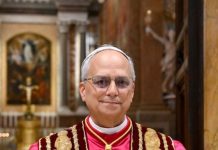
Newsroom (17/09/2025, Gaudium Press ) After months of diplomatic wrangling and speculation, the Holy See announced on Monday the appointment of Archbishop Piero Pioppo as apostolic nuncio to Spain and the Principality of Andorra, filling a vacancy that has persisted since February.
The 64-year-old Italian prelate, a seasoned Vatican diplomat with extensive experience in Africa and Asia, steps into the role at a sensitive moment in relations between the Spanish government and the Catholic hierarchy. Sources familiar with the negotiations, speaking on condition of anonymity, described the delay in Pioppo’s approval as a subtle signal of Madrid’s frustration with the Spanish bishops’ conference, though Spanish officials have publicly denied any veto.
The Pillar, a Catholic news outlet, first reported last month that Pioppo was the Vatican’s preferred candidate but that the process had stalled due to what it called “slow-walking” by Spanish authorities in protest over recent clashes with the bishops. Various Spanish media outlets echoed the news on July 24, only for a Vatican blog, Silere Non Possum, to claim on July 29 that the appointment had been derailed after weeks of inaction. Officials from Spain’s Foreign Ministry rebutted the blog’s account later that month, insisting no formal obstruction had occurred.
Pioppo, ordained a priest for the Diocese of Acqui Terme in 1985, brings a robust résumé to the position. Born in Savona, Italy, on September 29, 1960, he holds doctorates in dogmatic theology and canon law from the Pontifical Gregorian University. Early in his career, he served as private secretary to the late Cardinal Angelo Sodano, then-Secretary of State, and later worked at the Institute for the Works of Religion, commonly known as the Vatican Bank.
His diplomatic postings include stints as apostolic nuncio to Cameroon and Equatorial Guinea starting in 2010, followed by his appointment to Indonesia in 2017 and as nuncio to the Association of Southeast Asian Nations (ASEAN) in 2018. There, he facilitated high-level engagements, including Pope Francis’ endorsement of Indonesia’s efforts to combat illegal fishing. Pioppo is fluent in Italian, French, English, and Spanish, skills that Vatican officials say will aid his navigation of Spain’s complex political landscape.
The nunciature in Madrid has been vacant since Archbishop Bernardito Auza, a theological conservative, departed in February for a new role as nuncio to the European Union. Auza’s tenure was marked by his vocal opposition to government plans for the Valley of the Fallen, a sprawling Franco-era monument that has become a flashpoint in the ongoing rift.
Tensions between Prime Minister Pedro Sánchez’s socialist administration and the Spanish bishops escalated dramatically in June, when Archbishop Luis Argüello, president of the Spanish Episcopal Conference, publicly called for early elections amid a series of corruption scandals engulfing government officials. The plea, endorsed by several bishops, was interpreted as a no-confidence vote in Sánchez’s leadership.
Justice Minister Félix Bolaños fired back, accusing the Church of aligning with far-right forces. Argüello stood firm, reiterating his demand for snap elections. The exchange highlighted deeper fissures, including disputes over religious education in schools, a government-commissioned report on clerical sexual abuse, and policies on gender equality and abortion.
At the heart of the controversy lies the Valley of the Fallen, constructed in 1959 under dictator Francisco Franco as a memorial to victims of the 1930s Spanish Civil War. The site features prominent Catholic elements, including a 500-foot cross, a cross-shaped basilica, and a Benedictine monastery. In May, the government and bishops reached a secretive compromise to “resignify” the monument’s secular aspects — a vague term that has fueled Catholic unease.
Many in the Church fear the changes could extend to religious features, eroding the site’s sacred character. Sources close to the nunciature said negotiations were shrouded in secrecy, leading to widespread belief that the bishops were coerced into the deal. Auza, who defended the Benedictines’ presence and opposed the resignification, also advocated for the monastery’s former prior, Fr. Santiago Cantera, whose removal by the government occurred in March 2025 despite the nuncio’s protests.
The appointment of Pioppo, himself viewed as a conservative figure in Vatican circles, arrives as Pope Leo XIV — who succeeded Francis earlier this year — seeks to mend ties with secular governments worldwide. Observers say his diplomatic acumen, honed in diverse regions like Southeast Asia and Central Africa, could help bridge the divide in Spain, though the government’s grudging approval suggests challenges ahead.
Spanish Foreign Ministry officials confirmed the agrément process concluded earlier this month, paving the way for the formal announcement. As the new nuncio prepares to take up residence in Madrid, all eyes will be on whether his arrival eases or exacerbates the simmering discord between Church and state in one of Europe’s most historically Catholic nations.
- Raju Hasmukh with files from The Pillar
Related Images: