


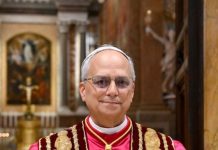







Archbishop Paul Coakley of Oklahoma City elected USCCB president in third-ballot runoff, defeating VP candidate Bishop Daniel Flores 128-109.
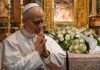
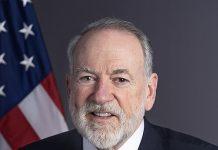
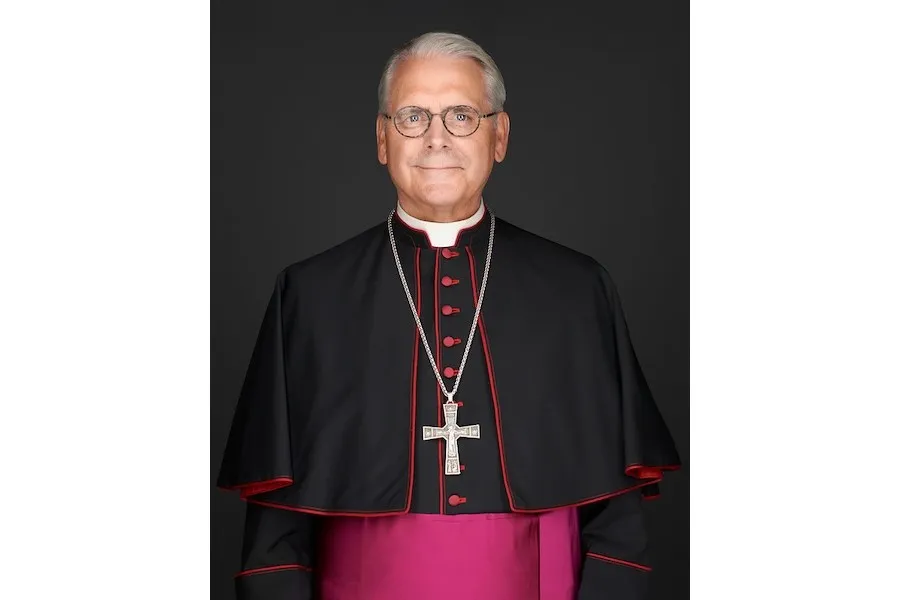
Newsroom (11/11/2025 Gaudium Press ) In a closely contested election that extended to a rare third ballot, the U.S. Conference of Catholic Bishops on Tuesday elected Archbishop Paul Coakley of Oklahoma City as its new president, with Bishop Daniel E. Flores of Brownsville, Texas, chosen as vice president.
The vote, conducted November 11 during the bishops’ fall plenary assembly in Baltimore, saw Coakley prevail 128-109 in the runoff after neither of the 10 original candidates secured a majority in the first two rounds.
The result marks another departure from the long-standing custom in which the sitting vice president automatically advanced to the presidency. That tradition has eroded over the past 15 years, and this year it was definitively broken: current Vice President Archbishop William E. Lori of Baltimore was ineligible due to having passed the conference’s age limit for the presidency.
Archbishop Coakley, 70, has led the Archdiocese of Oklahoma City since his installation in February 2011, following his appointment by Pope Benedict XVI in December 2010. Previously he served as bishop of Salina, Kansas (2004–2010). A native of Norfolk, Virginia, born June 3, 1955, Coakley studied at the University of Kansas and was ordained a priest for the then-Diocese of Wichita in 1983.
Known for his episcopal motto “Duc in Altum” (“Put out into the deep”) — taken from Luke 5:4 — Coakley has been a prominent voice on religious liberty, pro-life issues, and Hispanic ministry. He currently serves as secretary of the USCCB, a role he will vacate; the conference is scheduled to elect his successor on Wednesday.
Bishop Flores, 64, born in Palacios, Texas, in 1961, has led the Diocese of Brownsville since 2009. A theologian with advanced studies in Rome, he previously served as auxiliary bishop of Detroit (2006–2009) and held academic posts at the University of St. Thomas in Houston and St. Mary’s Seminary. Widely respected for his intellectual depth and pastoral approach to border issues, Flores will be eligible to stand for the presidency when his vice-presidential term concludes in 2028.
Coakley’s three-year term as USCCB president will formally begin at the conclusion of the current plenary assembly later this week.
The election comes at a pivotal moment for the American hierarchy as it navigates ongoing cultural challenges, implementation of the Synod on Synodality, and preparation for the 2025 Jubilee Year.
- Raju Hasmukh with files from The Pillar
Related Images: