


















The Uruguayan Chamber of Deputies will vote on a contentious euthanasia bill, misleadingly termed “dignified death” by its proponents.
Newsroom (30/07/2025, Gaudium Press ) On August 5, 2025, the Uruguayan Chamber of Deputies will vote on a contentious euthanasia bill, misleadingly termed “dignified death” by its proponents. As the vote looms, voices from the Catholic Church, medical professionals, and ethical scholars have intensified the debate, raising profound questions about life, autonomy, and societal responsibility.
Introduced by Representative Ope Pasquet of the Colorado Party, the bill failed to pass in the previous legislative session. This year, the Broad Front coalition has revived the effort with a new proposal to legalize euthanasia, allowing individuals with “chronic, incurable diseases or irreversible health conditions causing unbearable suffering” to request a lethal injection. The vote, set for next Tuesday, has sparked widespread concern over its implications.
An article published on July 25, 2025, by the Archdiocese of Montevideo, titled Euthanasia: A ‘Right’ That Violates Other Rights, compiles critical perspectives. Among them is Dutch bioethics expert Theo Boer, a former advocate for euthanasia legalization. Having reviewed thousands of cases, Boer now warns of a troubling rise in euthanasia requests, often driven by non-medical factors such as social isolation or perceived burdensomeness. During a visit to Uruguay, he cautioned that what began as an exception in other nations has become routine, often at the expense of vulnerable populations.
The Catholic Church in Montevideo argues the bill falsely promises expanded rights while failing to deliver sufficient safeguards. Dr. Agustina da Silveira of the Prudencia Uruguay collective highlights a critical flaw: the physician requesting and administering euthanasia would also validate the procedure, acting as both “judge and jury.” This lack of oversight, she warns, risks irreversible errors.
Critics also point to Uruguay’s constitutional protections, which enshrine the right to life through various provisions and international agreements. Legalizing euthanasia without universal access to palliative care—currently available to only 74% of Uruguayans, despite a 2023 law—could exacerbate inequalities. Dr. da Silveira emphasizes that effective palliative care could eliminate the “unbearable suffering” cited in the bill, rendering euthanasia unnecessary. “If palliative care is guaranteed, no patient should endure unbearable pain,” she said.
The Uruguayan Medical Association’s code of ethics further complicates the debate. Article 3 mandates physicians to respect life, dignity, and autonomy while prioritizing patients’ physical, mental, and social well-being. Euthanasia, critics argue, undermines this duty by institutionalizing death as a medical service. Philosopher Miguel Pastorino, also of Prudencia Uruguay, warns that the bill risks creating a societal hierarchy where certain lives are deemed less valuable. “Even if not forced to die, vulnerable people are socially positioned as disposable,” he said.
Medical professionals stress that alternatives like palliative sedation, advance directives, and the right to refuse treatment can address end-of-life suffering without hastening death. Dr. da Silveira notes, “No one should die in pain. We have the tools to ensure that.” Yet, limited access to palliative care leaves many without these options, raising questions about the freedom of choice in euthanasia requests. Pastorino adds, “Many seek death not out of autonomy but despair, feeling abandoned or burdensome. Is that truly a free choice?”
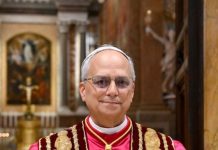
The debate also carries a spiritual dimension. Cardinal Daniel Sturla, Archbishop of Montevideo, addressed the issue on his radio program, The Joy of the Gospel, calling life a divine gift and opposing euthanasia as a deliberate act of killing. He distinguished palliative sedation, which alleviates suffering without intending death, from euthanasia’s explicit aim to end life. Sturla warned against a “throwaway mentality” that devalues fragile lives, describing euthanasia as “opening a faucet of evil.”
As Uruguay stands at a legislative crossroads, the Archdiocese of Montevideo urges prioritizing dignified, pain-free lives over institutionalizing death. “The urgency is not to legislate death but to guarantee care, companionship, and relief from suffering until the end,” the Archdiocese stated. With the vote approaching, the nation grapples with a fundamental question: should society respond to suffering by hastening death or by ensuring compassionate care for all?
- Raju Hasmukh with files from Aciprensa
Related Images: