


















Thai bishops call for moral responsibility in voting, warning citizens against fraud and corruption as Thailand prepares for a crucial election.
Newsroom (28/01/2026 Gaudium Press )As Thailand heads toward a fiercely contested national election on February 8, the country’s Catholic bishops have issued a powerful appeal for integrity, urging citizens to guard against fraud and corruption that could erode democracy and fracture social trust.
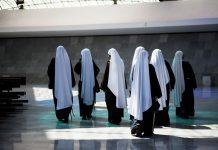
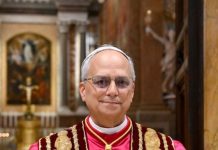
In a pastoral letter dated January 27, the Catholic Bishops’ Conference of Thailand (CBCT) described the election as “a crucial event” for the nation’s future. Signed by Archbishop Francis Xavier Vira Arpondratana of Bangkok, the conference president, the letter underscored the Church’s “political neutrality” while affirming its commitment to stand “in solidarity with Thai society.”
“The Church must remain a moral force and social conscience,” the bishops wrote, emphasizing that participation in elections is not only a civic right but a moral duty. The archbishop called on voters to choose candidates who uphold human dignity, serve the collective good over personal ambition, respect local communities, and show compassion for the poor and vulnerable.
The bishops’ message resonates in a country still struggling to rebuild political stability after years of division and disrupted governance. “Even small acts of vote buying or fraud are the roots of corruption that destroy a nation,” Archbishop Arpondratana warned, adding that political corruption represents “a betrayal of the people and a grave violation of social justice.”
A Nation Struggling to Sustain Democracy
Thailand’s political trajectory has been anything but steady. Despite regular elections and constitutional frameworks, the nation’s democracy has often wavered under the weight of military coups, elite influence, and judicial interventions. Human rights organizations, including Freedom House, now classify Thailand as “Not Free,” citing the dissolution of major opposition parties and forced repatriations of political dissidents.
The country’s recent political landscape has been marked by dramatic shifts. After the 2023 election, the reformist Move Forward Party (MFP), born from the earlier Future Forward Party (FFP), secured the most seats but was barred from forming a government by a Senate loyal to pro-military and royalist factions. The Constitutional Court eventually dissolved the MFP, repeating its 2020 decision against the FFP.
Their absence paved the way for an unlikely alliance between pro-royalist forces and the Pheu Thai Party, which took power later in 2023. That government’s tenure was cut short by a border conflict with Cambodia and a phone-leak scandal that forced then-Prime Minister Paetongtarn Shinawatra from office.
In September, Bhumjaithai Party leader and business magnate Anutin Charnvirakul became prime minister. His call for a snap election in December reopened a volatile political contest, with former MFP members reemerging under the banner of the newly formed People’s Party—a group expected to perform strongly in the coming polls.
Faith and the Ballot Box
In this tense climate, the Thai bishops’ appeal carries a moral weight beyond church walls. Catholics make up less than one percent of Thailand’s 66 million citizens, yet their leadership has historically spoken out on issues of justice and governance. By reminding believers that voting is “a moral requirement” essential to the common good, the Church aims to rekindle public trust in the democratic process itself.
The pastoral letter urges all Christians to discern wisely and act courageously at the ballot box—an act the bishops describe as a spiritual and civic expression of love for the nation. In a society weary from instability and disillusionment, they frame electoral participation not as routine duty, but as a moral stand for truth, justice, and human dignity.
- Raju Hasmukh with files from UCA News
Related Images: