





















Supreme Court questions Uttar Pradesh anti-conversion law, citing violations of privacy and religious freedom. Provisions may clash with India’s secular principles.
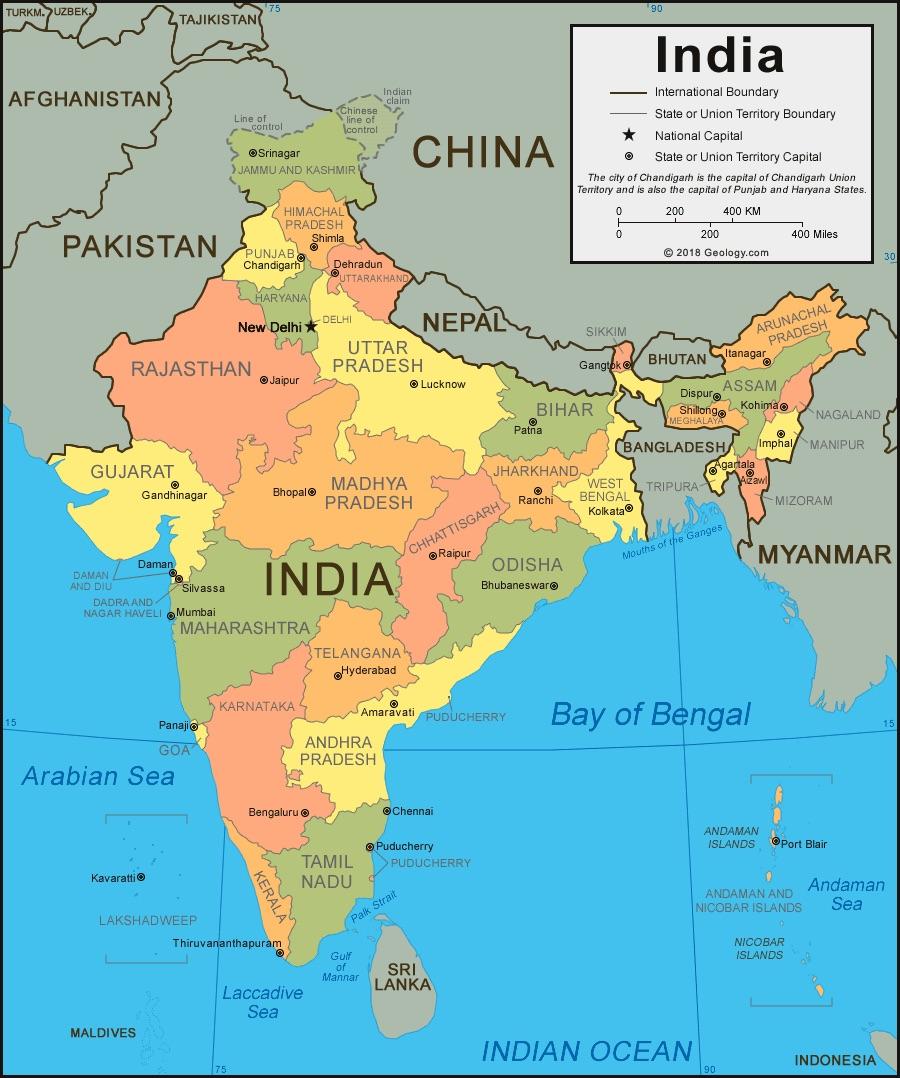
Newsroom (27/10/2025, Gaudium Press ) The Supreme Court of India has voiced significant concerns over the Uttar Pradesh Prohibition of Unlawful Conversion of Religion Act, 2021, highlighting provisions that may infringe upon fundamental rights enshrined in the Constitution. The controversial law, which imposes up to 10 years of imprisonment for conversions involving misinformation, coercion, or inducement, has drawn scrutiny for restricting individual freedom to choose a faith and for undermining the secular principles of the nation.
In a hearing presided over by Justices J.B. Pardiwala and Manoj Misra, the court flagged several provisions of the 2021 Act as potentially unconstitutional, particularly those requiring individuals to declare their intent to convert to another religion before a district magistrate. The law mandates a police investigation into the circumstances of the conversion and the public disclosure of personal details, raising serious privacy concerns. The justices noted that such requirements constitute excessive state interference in personal matters and may violate Article 25 of the Constitution, which guarantees freedom of thought, expression, belief, faith, and worship.
The Act’s pre- and post-conversion procedures have also come under fire. Individuals intending to convert must notify the authorities at least 60 days in advance, declaring that the decision is free from coercion or inducement. Failure to comply risks a three-year prison term and a fine of at least 10,000 rupees (approximately €100). Post-conversion, the individual must resubmit a declaration within 60 days, with personal details displayed publicly on a noticeboard. The convert is also required to appear before authorities within 21 days to verify their identity and confirm the declaration’s contents. The court warned that these measures could erode personal freedom and privacy, contravening the secular ethos embedded in the Constitution’s preamble.
Speaking to AsiaNews, Msgr. Gerald Mathias, Bishop of Lucknow, welcomed the Supreme Court’s observations as a beacon of hope for India’s Christian community, which has faced increasing accusations of forced conversions. “The recent rulings are a sign of hope,” he said. “But how many can afford to approach the apex court to obtain justice?” He expressed concern for pastors and others “falsely accused of illegal conversion,” noting that many lack the resources to challenge such charges and risk prolonged imprisonment. Bishop Mathias urged the court to strike down unconstitutional provisions of anti-conversion laws nationwide to curb their misuse and prevent ongoing atrocities against Christians and Muslims.
The Supreme Court’s critique underscores a broader tension between state regulation and individual rights in India, a nation whose Constitution champions secularism as a fundamental principle. As the court deliberates, its rulings could set a precedent for addressing similar laws in other states, potentially reshaping the legal landscape for religious freedom in the country.
- Raju Hasmukh with files from asianews.it
Related Images: